
Navigating the Storm: How Extreme Weather is Reshaping Global Cargo Movement
In an era of heightened supply chain volatility, extreme weather events are emerging as a pervasive disruptor, impacting critical lanes, facilities, and transportation modes worldwide. This MGS Insight brief analyzes the multifaceted challenges posed by meteorological forces and outlines proactive strategies for shippers.
Introduction
The global supply chain operates within an increasingly volatile and unpredictable landscape. While geopolitical tensions, such as the recent maritime incidents involving tankers near the Strait of Hormuz and in the northern Persian Gulf, command significant attention and highlight the fragility of key trade arteries, an equally formidable and often underestimated disruptor is the escalating impact of extreme weather events. As an MGS supply-chain analyst, it's clear that meteorological phenomena are no longer isolated incidents but rather systemic threats, demanding a comprehensive re-evaluation of logistics strategies. This brief will delve into how these evolving weather patterns are disrupting cargo movement across various modes and facilities, and crucially, what proactive measures shippers can implement, leveraging advanced visibility platforms, to mitigate risks and maintain resilience in their operations.
Impact on Ocean Freight
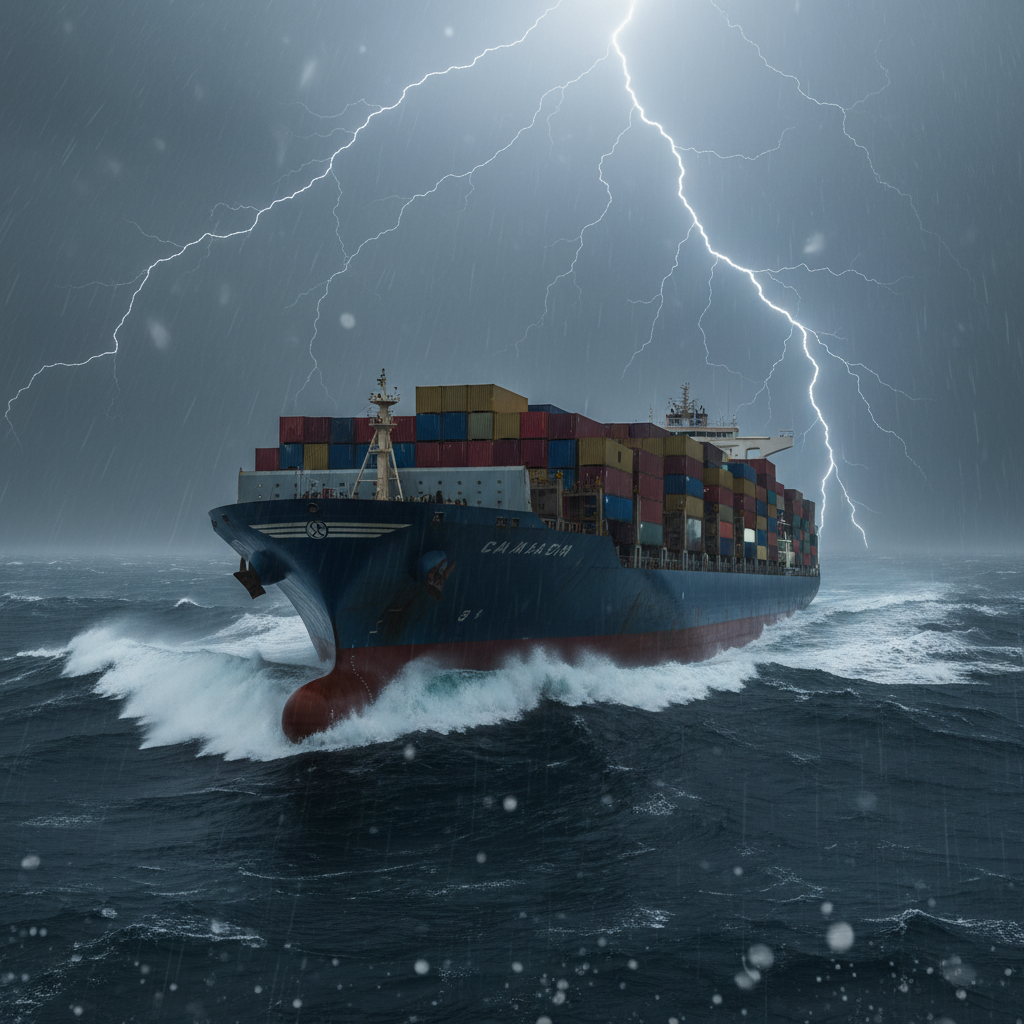
Ocean freight, the backbone of global trade, is particularly vulnerable to weather-related disruptions. Major storm systems, including hurricanes, typhoons, and cyclones, frequently force vessels to alter courses, leading to significant delays and increased transit times. These diversions not only extend delivery windows but also incur higher fuel costs and can push vessels off their scheduled rotations, creating a ripple effect of congestion at subsequent ports. Beyond severe storms, persistent fog can bring navigation to a standstill in critical choke points or port approaches, causing vessels to anchor for extended periods. Similarly, icy conditions in northern latitudes necessitate ice-strengthened vessels or compel complete route closures, rerouting cargo through longer, less efficient passages. High seas and strong winds, even outside of named storms, can reduce vessel speeds, compromise cargo stability, and pose safety risks to crew and freight. The cumulative effect of these disruptions includes missed port calls, increased demurrage and detention charges, and potential damage to cargo from prolonged exposure or rough handling during delayed transfers. Key shipping lanes, such as those traversing the hurricane-prone Atlantic or typhoon-affected Pacific, face chronic challenges, requiring constant vigilance and adaptive planning.
Impact on Air Cargo
Air cargo, often chosen for its speed, is not immune to the whims of weather. Extreme conditions can ground flights, delay departures, and impact airport operations significantly. Blizzards and heavy snowfall can shut down runways and taxiways, preventing take-offs and landings, while also hindering ground handling operations, including de-icing and cargo loading/unloading. Intense heatwaves can reduce aircraft lift capabilities, forcing airlines to offload cargo or passengers, particularly at airports with shorter runways or higher altitudes. Severe thunderstorms and high winds necessitate flight path alterations, increasing flight times and fuel consumption, or leading to diversions to alternative airports. Volcanic ash plumes, though less frequent, pose a severe threat to aircraft engines and can lead to widespread airspace closures, as seen in past events that paralyzed air traffic across entire continents. These disruptions not only delay time-sensitive and high-value cargo but also create backlogs at major air hubs, straining warehousing capacity and increasing the risk of misconnections for onward journeys.
Impact on Land Transportation (Rail & Road)
Land-based transportation modes, vital for first and last-mile delivery, are equally susceptible to weather-induced interruptions. Rail networks can be severely impacted by heavy snowfall, which can block tracks and damage overhead power lines, or by extreme heat, which can cause tracks to buckle, necessitating speed restrictions or closures. Flooding, whether from heavy rains or overflowing rivers, can submerge rail lines and roads, rendering them impassable and isolating communities. Landslides, often triggered by prolonged rainfall, can block critical road and rail arteries, requiring extensive clearance operations that can last for days or weeks. For road freight, icy conditions, blizzards, and dense fog reduce visibility and make driving hazardous, leading to widespread road closures, speed limits, and increased accident rates. Heatwaves can also affect truck performance and driver safety, necessitating regulated rest periods or limiting operating hours. These disruptions directly impact delivery schedules, increase transit times, and can lead to significant backlogs at distribution centers and warehouses, affecting inventory levels and customer satisfaction.
Impact on Facilities (Ports, Warehouses, Distribution Centers)
Beyond the movement of cargo, critical logistics facilities are also directly exposed to weather-related risks. Ports, often located in coastal areas, are vulnerable to storm surges, high winds, and heavy rainfall that can damage infrastructure, including cranes, berths, and storage facilities. Extreme weather can also force port closures, halting vessel operations and creating significant backlogs of ships waiting to dock. Warehouses and distribution centers, whether near ports, airports, or inland, face risks from flooding, heavy snow loads on roofs, and power outages caused by storms. Prolonged power outages can disrupt automated systems, refrigeration units, and security systems, jeopardizing stored cargo, especially temperature-sensitive goods. Furthermore, severe weather can impact labor availability, as employees may be unable to travel to facilities, leading to reduced operational capacity and further delays in cargo handling, processing, and outbound shipments. The cumulative effect is a slowdown in the entire supply chain, impacting inventory management and order fulfillment.
Shipper Strategies and the Role of Visibility Platforms
In this environment of heightened weather volatility, shippers must adopt proactive and resilient strategies. Diversification of routes and modes is paramount; relying on a single lane or transportation method increases exposure to localized weather events. Developing robust contingency plans, including pre-identified alternative routes, backup carriers, and emergency storage options, is essential. However, the cornerstone of effective weather-risk mitigation is real-time, end-to-end shipment visibility, precisely where platforms like MGS prove invaluable. An MGS control tower provides a unified view of all cargo movements, integrating data from carriers, ports, weather services, and other external sources. This comprehensive data aggregation allows shippers to anticipate potential weather disruptions well in advance, identifying affected shipments, modes, and facilities. Predictive analytics can forecast the impact of developing weather systems on estimated times of arrival (ETAs) and identify at-risk cargo. With this intelligence, shippers can make informed, proactive decisions: rerouting shipments before they encounter delays, communicating revised schedules to customers, activating contingency plans, or expediting critical cargo through unaffected lanes. MGS transforms reactive crisis management into proactive risk mitigation, enabling supply chain professionals to navigate the storm with greater confidence and maintain operational continuity, even as global weather patterns become increasingly unpredictable.
Source: gCaptain — https://gcaptain.com/two-more-tankers-struck-as-maritime-attacks-spread-across-persian-gulf/