
Navigating the Storm: How Weather Disrupts Global Cargo and What Shippers Can Do
Recent events underscore the fragility of global supply chains. This brief analyzes how escalating weather patterns impact maritime, terrestrial, and air cargo, affecting key lanes and facilities. Discover actionable strategies and the critical role of shipment visibility platforms in mitigating these growing risks.
The Broader Context of Supply Chain Disruption
Recent global events serve as stark reminders of the inherent vulnerabilities within our interconnected supply chains. The severe casualty involving the M/V Espírito Santo Express, a vessel operated by Hapag-Lloyd / Seaspan, on October 15–16, 2026, while en route from Singapore to Santos, Brazil, illustrates this point vividly. Approximately 975 nautical miles northwest of Tristan da Cunha, the container ship experienced an explosion followed by a major fire. While the specific cause of this incident was not weather-related, such unforeseen events underscore the constant threat of disruption to global logistics, highlighting the critical need for resilience and adaptability. This incident, though a severe maritime casualty of a different nature, provides a crucial backdrop for understanding the broader landscape of supply chain risks. Today, we shift our focus to an equally, if not more, pervasive and increasingly volatile threat: the impact of weather on cargo movement across all modes.
Weather's Impact on Maritime Lanes
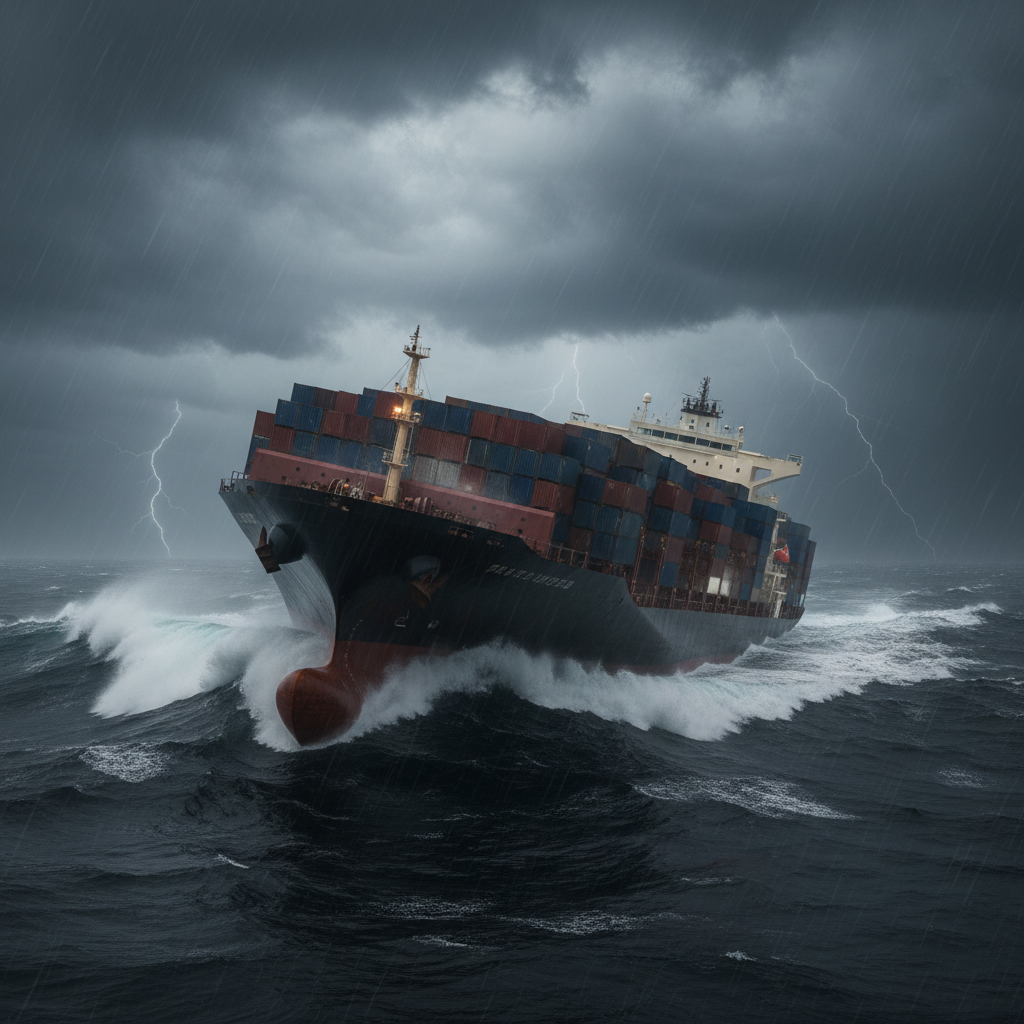
Ocean shipping, the backbone of international trade, is particularly susceptible to the whims of weather. Extreme weather events, including hurricanes, typhoons, severe storms, monsoons, and even dense fog or ice, are becoming more frequent and intense, directly affecting maritime lanes. These phenomena force vessels to reroute, leading to extended transit times and increased fuel consumption. Delays are commonplace as ships wait out storms at sea or queue outside ports that have been closed for safety. Port closures themselves can bring operations to a standstill, preventing the loading or unloading of cargo and creating significant backlogs once operations resume. Furthermore, rough seas can lead to cargo damage or even the loss of containers overboard, incurring substantial financial losses and environmental impact. Key maritime corridors, such as those in hurricane-prone regions of the Atlantic or the typhoon belt of the Pacific, face heightened risks, requiring constant vigilance and flexible planning. The long-distance nature of voyages, like that of the M/V Espírito Santo Express from Singapore to Santos, exposes vessels to diverse and unpredictable weather patterns across vast oceanic stretches.
Terrestrial and Air Cargo Vulnerabilities
Beyond the oceans, land-based and air cargo operations are equally vulnerable to weather disruptions. On the ground, heavy snowfall, ice storms, and widespread flooding can render roads impassable, disrupting truck routes and causing significant delivery delays. Extreme heat can also impact road infrastructure and vehicle performance, leading to tire blowouts and restrictions on driver hours for safety. Rail networks face similar challenges, with tracks susceptible to flooding, snowdrifts, or heat-induced buckling, leading to service interruptions and infrastructure damage. In the skies, air cargo is heavily impacted by adverse conditions such as dense fog, severe thunderstorms, blizzards, and high winds. These conditions can lead to airport closures, flight cancellations, and diversions, creating immediate capacity crunches and backlogs at major air cargo hubs. The interconnectedness of these modes means that a delay in one segment, such as a container ship held up by a storm, can cascade into missed onward air or road connections, amplifying the overall supply chain disruption.
Facility and Infrastructure Strain
The impact of weather extends beyond transit, directly affecting critical logistics facilities and infrastructure. Ports and terminals are particularly susceptible to operational shutdowns caused by high winds, storm surges, and flooding, which can damage cranes, handling equipment, and storage facilities. When operations cease, the accumulation of vessels and cargo creates severe congestion and bottlenecks once the weather clears. Inland, warehouses and distribution centers face risks from flooding, power outages, and structural damage, which can compromise inventory safety and integrity. Access roads to these facilities can become impassable, preventing the movement of goods in and out. A single affected facility, whether a major port or a regional distribution hub, can create a ripple effect, disrupting cargo processing and storage across an entire region or even an entire supply chain network, leading to widespread delays and increased operational costs.
Strategic Responses for Shippers
In the face of escalating weather-related disruptions, shippers must adopt proactive and strategic responses to build resilience. Firstly, comprehensive risk assessment and planning are crucial, involving the identification of weather-prone lanes, facilities, and seasonal risks. Secondly, diversifying routes and modes of transport can provide alternative options when primary pathways are compromised. For instance, having contingency plans for shifting from ocean to air freight for critical shipments, or utilizing different land routes. Thirdly, strategic inventory management, including maintaining appropriate safety stock levels and pre-positioning critical goods, can cushion the blow of unexpected delays. Fourthly, fostering strong collaboration with carriers, logistics partners, and suppliers is essential for real-time information sharing and coordinated responses. Finally, developing robust contingency plans with clear protocols for communication, decision-making, and action during disruptions is paramount. These measures empower shippers to move from reactive crisis management to proactive risk mitigation.
The Role of Shipment Visibility Platforms
This is where an advanced shipment visibility control tower, such as MGS, becomes an indispensable tool for navigating weather-induced supply chain volatility. An MGS platform provides real-time tracking of cargo across all modes, offering immediate updates on location and status, which is critical during rapidly evolving weather events. Its predictive analytics capabilities leverage weather forecasts and historical data to anticipate potential disruptions, such as predicting port closures or identifying alternative routes before a storm hits. Automated alerts and notifications keep shippers informed of severe weather warnings impacting their shipments, enabling timely decision-making. Furthermore, an MGS control tower facilitates scenario planning, allowing shippers to model the potential impact of different weather events on transit times, costs, and inventory levels. By serving as a centralized communication hub, it streamlines coordination with carriers, consignees, and other stakeholders, ensuring everyone is aligned on revised plans. While the M/V Espírito Santo Express incident highlights the need for immediate awareness of any severe casualty, an MGS platform extends this principle to weather, providing the intelligence needed to proactively mitigate risks, reroute shipments, and maintain supply chain continuity, transforming potential crises into manageable challenges.
Source: Hellenic Shipping News — https://www.hellenicshippingnews.com/m-v-espirito-santo-express-incident/