
GM's Strategic Playbook: Driving Profitability Through High-Demand Segments and Robust Cash Management
General Motors' recent financial performance offers key insights for business leaders. Surpassing expectations with a 22% core profit increase, GM demonstrates the power of focusing on high-demand, high-margin segments like pickups and SUVs, coupled with strategic cash flow management, as evidenced by a substantial stock buyback and ambitious future growth forecasts.
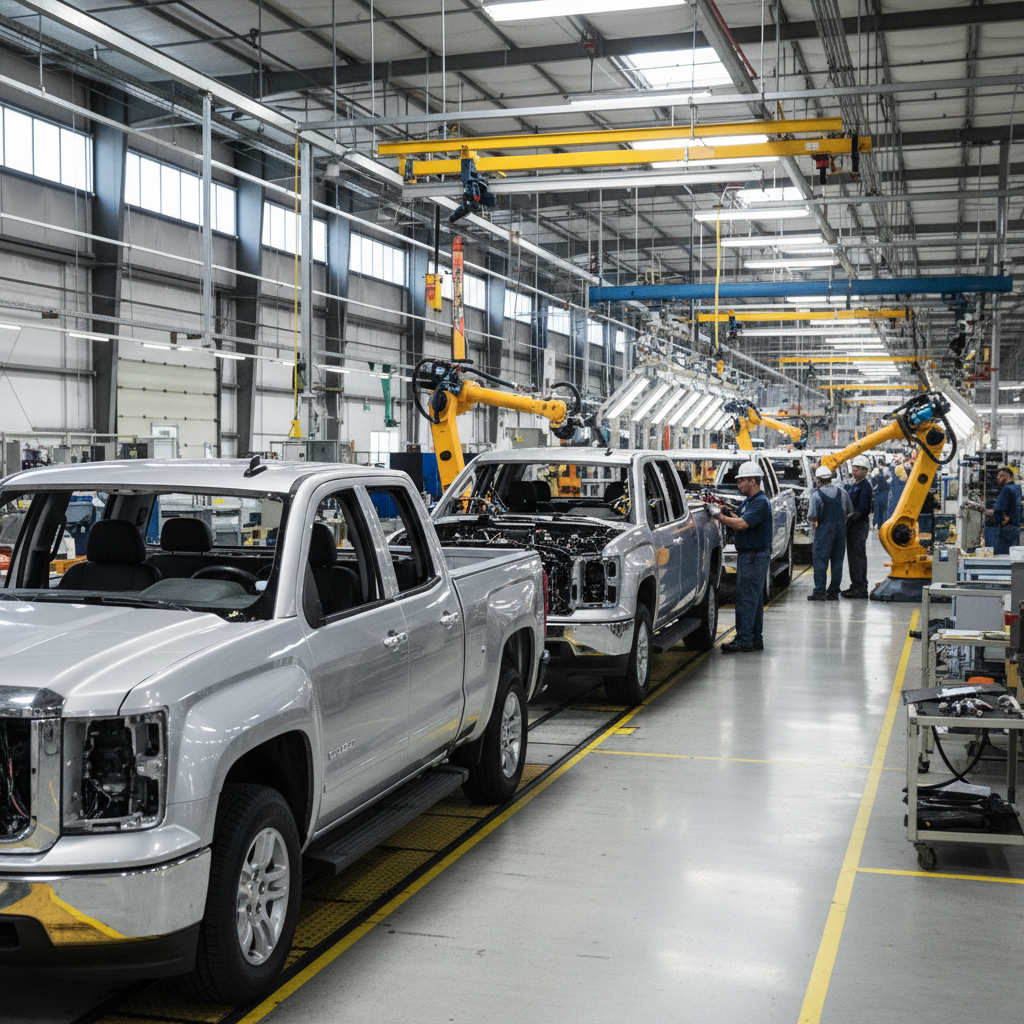
General Motors' latest financial results provide a compelling case study for business leaders navigating complex market dynamics. The automaker significantly outperformed analyst expectations in its third-quarter earnings, showcasing a strategic approach that prioritizes profitable segments and robust financial stewardship. With an adjusted EBIT climbing to $4.1 billion, marking a substantial 22% year-over-year increase, GM's success highlights critical levers for enhancing financial and operational value. This brief will dissect GM's performance through the lenses of cash flow, revenue, and margin optimization, alongside its forward-looking growth strategies, offering actionable insights for organizations aiming to replicate such success.
Cash flow optimization
GM's announcement of a $20 billion stock buyback program serves as a powerful testament to its strong cash flow generation and commitment to shareholder value. This significant capital allocation decision indicates that the company possesses substantial free cash flow beyond its operational needs and investment requirements. For business leaders, this illustrates the critical importance of optimizing cash flow – not just for operational stability, but also as a strategic tool for capital deployment. A robust cash position allows an organization to return value to shareholders, invest in future growth initiatives, or build a resilient financial buffer against economic uncertainties. In an environment marked by inflationary pressures, as noted in GM's own challenges, maintaining strong cash reserves and the ability to execute such a large-scale buyback underscores effective working capital management and disciplined financial planning. This move signals confidence in the company's sustained profitability and future cash-generating capabilities, making it an attractive proposition for investors and a benchmark for financial health.
Revenue optimization
The core driver behind GM's impressive financial performance is clearly identified as the “robust demand for their pickups and SUVs.” This insight underscores a fundamental principle of revenue optimization: strategically focusing on product segments that resonate strongly with current market demand. By capitalizing on consumer preference for these specific vehicle types, GM has effectively maximized its sales volume and, consequently, its top-line revenue. The direct outcome of this optimized revenue stream is evident in the 22% year-over-year increase in adjusted EBIT, reaching $4.1 billion. This demonstrates that understanding and responding to market signals with a well-aligned product portfolio can translate directly into significant profit growth. For business leaders, this highlights the necessity of continuous market analysis, agile product development, and effective sales strategies to ensure that offerings are precisely what customers are willing to purchase, thereby optimizing revenue generation and overall financial health.
High-growth opportunities
Looking ahead, GM's forecast of achieving an adjusted EBIT between $14.5 billion and $15.5 billion by 2026 provides a clear strategic roadmap for future growth. This ambitious projection, built upon the foundation of current strong performance, indicates a confident outlook and a commitment to expanding market share and profitability in key segments. The sustained “robust demand for their pickups and SUVs” is undoubtedly a cornerstone of this growth strategy, suggesting that GM plans to continue leveraging these successful product lines. For business leaders, this illustrates the importance of identifying and nurturing high-growth opportunities within their own markets. It's not enough to simply react to current demand; proactive forecasting and strategic planning are essential to set and achieve significant future financial targets. This long-term vision, anchored by successful current operations, allows for strategic investments and resource allocation that can propel an organization towards substantial future value creation and market leadership.
High-margin opportunities
The exceptional performance of GM's pickup and SUV business is not merely about volume; it's fundamentally about capitalizing on high-margin opportunities. These vehicle categories typically command higher price points and offer better profit margins compared to smaller, entry-level vehicles. The “robust demand” for these segments directly translated into the 22% year-over-year increase in adjusted EBIT, showcasing the profound impact of a favorable product mix on overall profitability. For organizations, this highlights a crucial strategic imperative: identifying and prioritizing product or service lines that not only sell well but also contribute disproportionately to the bottom line. Focusing sales and marketing efforts, as well as production capacity, on these high-margin offerings can significantly amplify financial returns, even in the face of broader market challenges like inflation. GM's success serves as a powerful reminder that maximizing profitability often involves a deliberate shift towards or intensified focus on segments that offer superior margin potential.
Conclusion: GM's recent financial triumph offers a multifaceted blueprint for achieving superior financial and operational performance. By strategically aligning its product portfolio with “robust demand” for high-margin segments like pickups and SUVs, the company has not only driven a remarkable 22% increase in core profit but also established a strong foundation for future growth, projecting an adjusted EBIT of up to $15.5 billion by 2026. Furthermore, the initiation of a $20 billion stock buyback program underscores disciplined cash flow optimization and a strong commitment to shareholder value. For business leaders, the key takeaways are clear: relentlessly pursue market segments with high demand and strong margin potential, manage cash flow with strategic foresight, and articulate ambitious, yet achievable, growth targets. These integrated approaches are vital for navigating economic complexities and ensuring sustained financial health and competitive advantage.
Source: The Economic Times Markets — https://economictimes.indiatimes.com/markets/us-stocks/news/us-stocks-gms-core-profit-rises-22-on-strength-of-pickup-truck-business/articleshow/135068643.cms