
Navigating the Storm: How Weather Continues to Reshape Global Cargo Flows
Unpredictable weather patterns are a persistent force in global logistics, causing widespread disruptions across all modes of transport. This brief examines the systemic impact of atmospheric events on cargo movement and outlines strategies for shippers to enhance resilience.
Introduction
The global supply chain operates under constant pressure, frequently encountering unforeseen challenges that test its resilience. While various factors contribute to this volatility, from geopolitical tensions to infrastructure failures, one of the most consistent and pervasive disruptors remains weather. Far from isolated incidents, atmospheric phenomena, ranging from severe storms and extreme temperatures to dense fog and heavy precipitation, regularly impede the smooth flow of goods. These events don't just cause minor delays; they can lead to significant rerouting, facility closures, and substantial economic losses, fundamentally altering established trade lanes and operational schedules. For supply chain professionals, understanding the multifaceted ways in which weather impacts cargo movement is not merely a matter of contingency planning, but a core component of strategic risk management. The need for real-time visibility and agile response mechanisms has never been more critical in mitigating the far-reaching consequences of an increasingly unpredictable climate.
Ocean Shipping: Navigating Tempestuous Seas
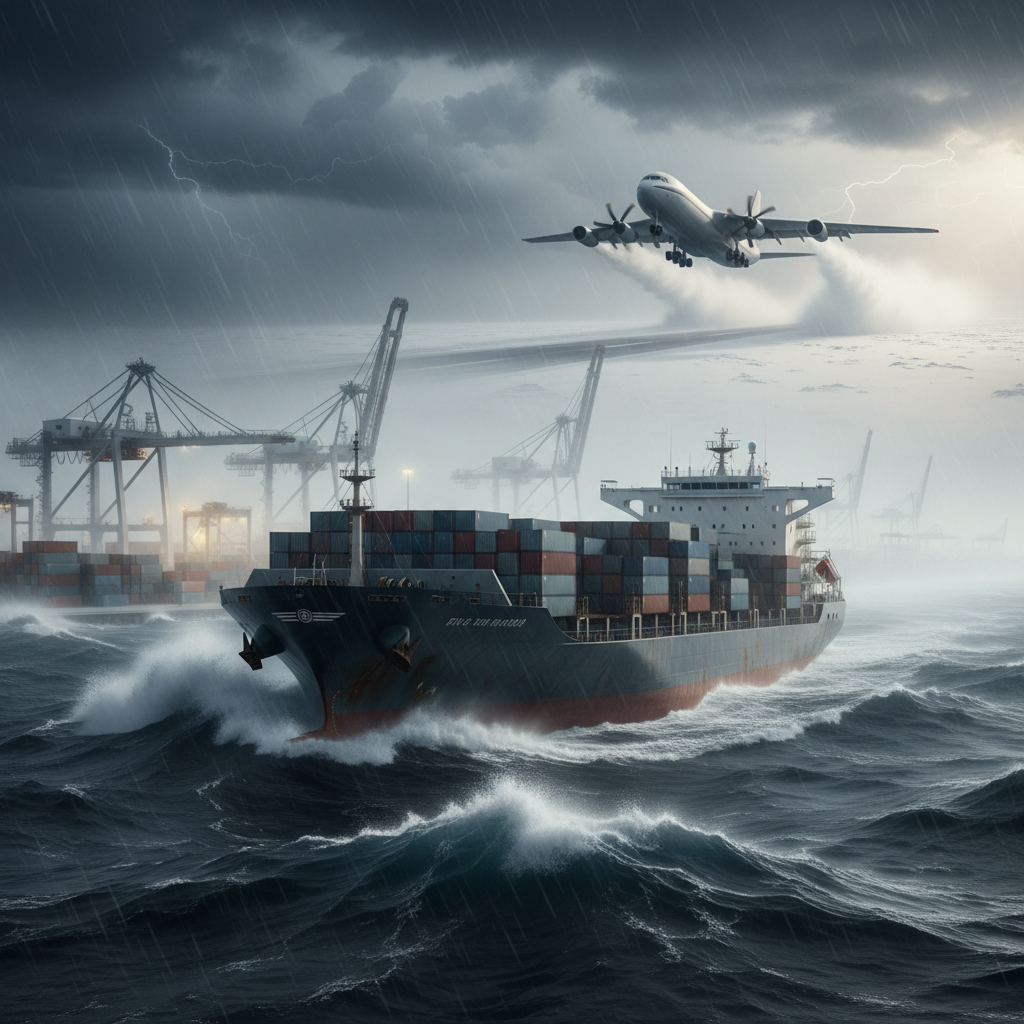
Ocean freight, the backbone of international trade, is particularly vulnerable to weather-related disruptions. Major shipping lanes, such as those traversing hurricane-prone regions or areas susceptible to monsoons and typhoons, frequently experience significant challenges. Severe storms can force vessels to alter course, adding days or even weeks to transit times, consuming extra fuel, and impacting delivery schedules. High winds and rough seas not only pose safety risks to crew and cargo but can also lead to cargo damage or loss. Dense fog can cause widespread delays in congested waterways and port approaches, leading to vessel backlogs. Furthermore, extreme cold can result in ice formation, particularly in northern routes during winter months, necessitating icebreaker assistance or complete route closures. These conditions impact the efficiency of global container, bulk, and tanker fleets, creating ripple effects that extend far beyond the immediate point of disruption. Ports, as critical nodes in ocean networks, are often forced to halt operations during severe weather, leading to berth congestion and further delays once conditions improve.
Air Cargo: Grounded by Atmospheric Conditions
While air freight offers speed, it is by no means immune to weather's whims. Airports, especially those in regions prone to heavy snowfall, dense fog, or severe thunderstorms, regularly face operational challenges. Blizzards can lead to runway closures, de-icing delays, and flight cancellations, grounding entire fleets. Thunderstorms, with their associated high winds and lightning, can disrupt flight paths, cause holding patterns, and necessitate diversions. Volcanic ash, though less frequent, presents a severe and widespread threat to air travel, capable of closing vast airspace for extended periods. Even extreme heat can impact air cargo operations by reducing aircraft lift capabilities, leading to weight restrictions or flight cancellations, particularly for long-haul routes or at high-altitude airports. These disruptions not only delay high-value or time-sensitive shipments but also create cascading effects on connecting flights and global air cargo networks.
Ground Transport: Roadblocks and Rail Halts
Terrestrial modes of transport—road and rail—are equally susceptible to weather's direct and indirect impacts. Heavy snowfall and ice can render roads impassable, leading to truck delays, accidents, and complete cessation of deliveries, particularly in mountainous or northern regions. Flooding, whether from torrential rains or overflowing rivers, can submerge roads and railway lines, causing extensive damage to infrastructure and forcing long detours or complete shutdowns. Extreme heat can buckle railway tracks, necessitating speed restrictions or temporary closures to prevent derailment. High winds can overturn trucks or damage freight trains, especially those carrying lighter, high-cube cargo. These conditions not only delay goods but also increase operational costs due as a result of extended routes, increased fuel consumption, and potential equipment damage. The cumulative effect on last-mile delivery and intermodal transfers can be substantial, impacting supply chain reliability from origin to final destination.
Facility Operations: Beyond the Transport Modes
The impact of weather extends beyond the movement of goods to the static infrastructure that supports the supply chain. Port terminals, warehouses, and distribution centers are all vulnerable. High winds can damage cranes and other loading equipment, making cargo handling unsafe or impossible. Heavy precipitation can lead to roof leaks, damaging stored goods, or flooding access roads, hindering inbound and outbound logistics. Extreme temperatures, both hot and cold, can affect the operational efficiency of machinery and the comfort and safety of personnel, potentially slowing down or halting operations. Power outages, frequently triggered by severe weather, can cripple automated systems, refrigeration units, and security measures, leading to significant delays and potential cargo spoilage or theft. Ensuring the resilience of these critical facilities against diverse weather threats is paramount for maintaining supply chain continuity.
Mitigating Weather's Impact: The Shipper's Imperative
In the face of persistent weather-related disruptions, shippers must adopt proactive and adaptive strategies. The first step involves comprehensive risk assessment, identifying the weather vulnerabilities of their specific lanes, facilities, and modes. Diversifying transport routes and modes can offer flexibility when primary paths are compromised. For instance, having contingency plans to shift from ocean to air for critical shipments, or from road to rail for domestic movements, can provide crucial agility.
However, the cornerstone of effective weather resilience lies in real-time shipment visibility. A robust shipment-visibility control tower, like MGS, empowers shippers with the ability to monitor cargo location and status across all modes, even amidst dynamic weather patterns. This immediate insight allows for proactive decision-making, such as rerouting shipments before they encounter severe weather, notifying customers of potential delays, or coordinating with carriers for alternative solutions. Predictive analytics, integrated into such platforms, can leverage meteorological data to forecast potential disruptions, enabling shippers to adjust plans days in advance. By providing a consolidated view of the entire logistics network, MGS helps shippers identify bottlenecks, assess the impact of weather events on their specific cargo, and communicate transparently with all stakeholders. This level of control is essential for transforming reactive responses into strategic, data-driven interventions, ultimately safeguarding supply chain integrity and customer satisfaction in an era of increasing atmospheric volatility.
Conclusion
Weather is an immutable force that will continue to challenge global supply chains. Its disruptions are not isolated incidents but systemic pressures affecting every facet of cargo movement. From the vastness of the ocean to the intricate networks of ground transport and the critical operations of logistics facilities, atmospheric events demand constant vigilance and sophisticated management. By embracing advanced visibility solutions and proactive planning, shippers can transform the challenge of unpredictable weather into an opportunity for enhanced resilience and competitive advantage, ensuring their goods reach their destinations, come rain or shine.
Source: gCaptain — https://gcaptain.com/containership-sinks-as-hormuz-attacks-spiral-out-of-control/