
Indian Brokers Threaten Cargo Boycott Over Empty Container Fee Hikes
A brewing dispute at Indian ports sees brokers threatening a cargo boycott in response to significant increases in empty container handling fees by major carriers like Maersk, particularly at Mundra. This confrontation highlights underlying tensions in the supply chain and poses a substantial risk of operational disruption and financial strain for global trade.
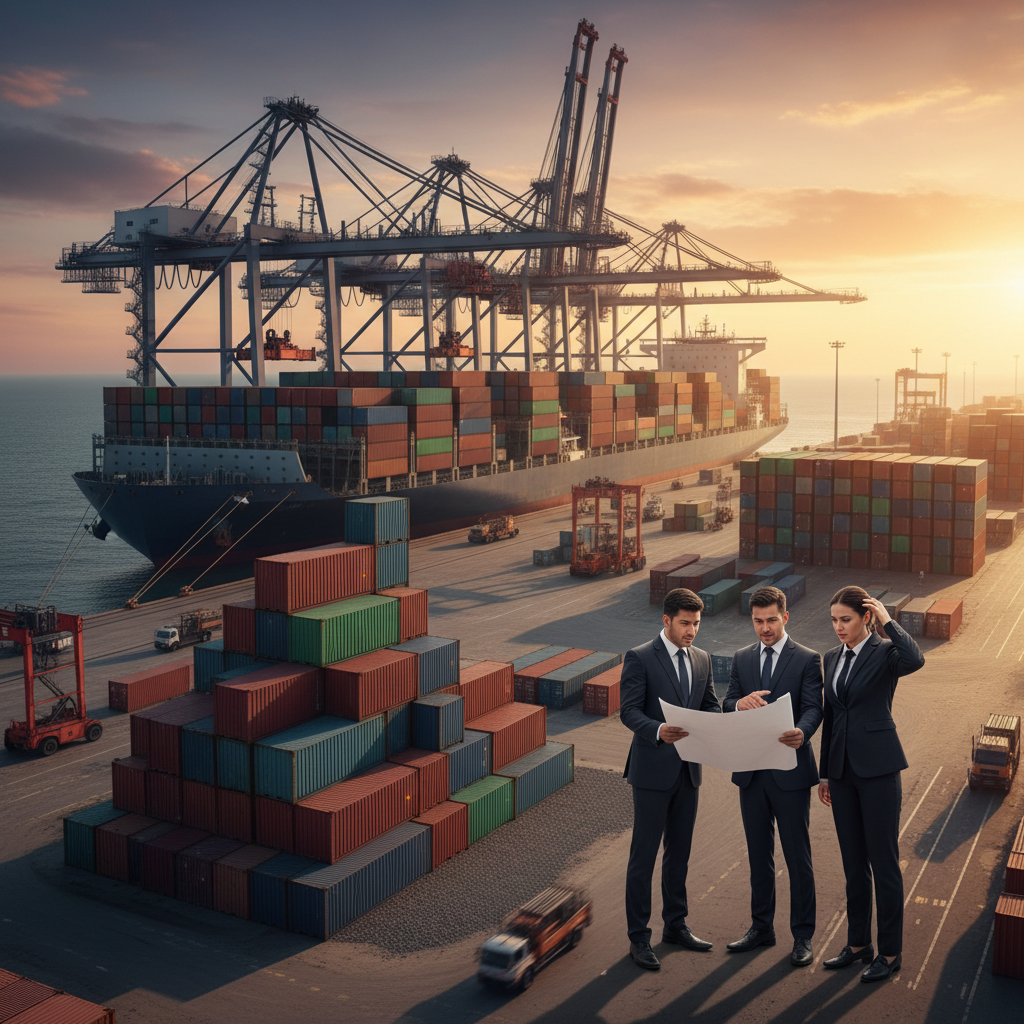
Indian Brokers Threaten Boycott Over Empty Container Charges at Mundra
A significant point of contention is emerging within India's crucial logistics sector, centered on the management and associated costs of empty shipping containers. Freight brokers across Indian ports are voicing strong opposition to recent policy adjustments by container shipping lines, which have led to a substantial increase in charges for handling empty boxes. This dispute, particularly acute at Mundra, India's busiest container port, threatens to escalate into a cargo boycott, potentially paralyzing trade flows through one of the world's most dynamic economies.
The core of the disagreement lies in the revised lift-on/lift-off (lo-lo) fees for empty containers at depot yards. Carriers, exemplified by Maersk, have implemented significant hikes in these charges. For freight brokers, who act as intermediaries facilitating the movement of goods, these increased costs represent an unexpected and unwelcome burden. The handling of empty containers is a fundamental, yet often overlooked, component of global trade logistics. When a container arrives at a port with imported goods, it must eventually be returned empty to a depot or repositioned for an export shipment. The costs associated with this repositioning and storage are typically absorbed or passed on through various fees. The current escalation of these charges has created a flashpoint, leading to widespread discontent among the brokerage community, who view these increases as unilateral and excessive.
This situation underscores a broader power imbalance within the shipping ecosystem. While carriers cite operational costs and the need to efficiently manage their container fleets, brokers and shippers often feel subjected to fee structures that lack transparency or negotiation. The threat of a boycott is a drastic measure, reflecting the depth of frustration and the perceived lack of alternative recourse for these intermediaries. Should such a boycott materialize, it would not only disrupt local port operations but also send significant ripples across the entire Indian supply chain, impacting exporters, importers, and the broader economy.
India's Critical Role in Global Trade Faces Disruption
India's position as a burgeoning manufacturing hub and a significant player in global trade means that any disruption at its major ports carries substantial international implications. A cargo boycott, even if localized initially, would inevitably impact global supply chain flows, routes, and overall capacity. Mundra, as a primary gateway for Indian exports and imports, handles an immense volume of container traffic. A slowdown or halt in operations due to a boycott would create immediate backlogs, leading to extended transit times and potential diversions for vessels. This would not only affect goods destined for or originating from India but could also strain regional shipping networks as carriers scramble to adjust schedules and find alternative port calls.
Furthermore, the efficient repositioning of empty containers is crucial for maintaining the global equilibrium of container availability. If empty boxes cannot be moved or processed effectively at Indian ports, it could lead to a shortage of containers for export shipments, not just in India but potentially in other interconnected trade lanes. This imbalance would exacerbate existing challenges in container logistics, forcing carriers to make difficult decisions about where to deploy their assets, potentially impacting freight rates and service levels globally. The interconnected nature of modern supply chains means that a localized dispute over fees can quickly propagate into a wider operational challenge, affecting manufacturing schedules, inventory management, and ultimately, consumer availability of goods across continents.
Escalating Costs and Economic Fallout for Shippers and Carriers
The financial implications of this dispute are multi-layered, affecting various stakeholders across the supply chain. For freight brokers and, by extension, the shippers they represent, the immediate impact is a direct increase in operational costs due to the higher empty container handling fees. These additional expenses will inevitably be passed down the supply chain, contributing to higher landed costs for imported goods and reducing the competitiveness of Indian exports. This cost escalation comes at a time when global inflationary pressures are already a concern, adding another layer of financial burden for businesses and consumers alike.
Should the boycott threat materialize, the economic fallout would be far more severe. For carriers like Maersk, a boycott would mean a significant reduction in cargo volumes and, consequently, revenue from a key market. Vessels would face delays, incurring demurrage charges and disrupting their finely tuned schedules, leading to further operational inefficiencies and increased fuel costs. For Indian exporters, delayed or canceled shipments would result in lost sales, damaged reputations, and potential penalties for non-delivery. Importers would face stockouts and increased costs due to expedited shipping alternatives or penalties. The broader Indian economy, heavily reliant on trade, would suffer from reduced economic activity and potential job losses in the logistics and manufacturing sectors. This scenario represents a lose-lose proposition, where both carriers and the local logistics community face substantial financial setbacks, highlighting the critical need for a swift resolution to prevent widespread economic disruption.
Systemic Challenges in Empty Container Management
The ongoing dispute in India is not an isolated incident but rather a symptom of deeper, systemic challenges within global container logistics, particularly concerning empty container management. The movement and storage of empty boxes represent a significant cost center for shipping lines, often outweighing the revenue generated by laden containers on certain routes. Carriers frequently incur substantial expenses to reposition empty containers from surplus regions to deficit regions, ensuring equipment availability where it is needed most. When local costs, such as lo-lo charges at depots, increase, carriers naturally seek to recover these expenses.
However, the unilateral imposition of significant fee hikes without adequate consultation or justification can strain relationships with local intermediaries. This situation highlights the inherent tension between carriers' need for cost recovery and operational efficiency, and the local logistics community's need for predictable and reasonable pricing. Effective empty container management requires collaborative solutions, potentially involving shared depot infrastructure, optimized routing, and more transparent cost-sharing mechanisms. Without such collaboration, these flashpoints will continue to emerge, threatening the stability and efficiency of the global supply chain. The current situation in India serves as a stark reminder that the smooth flow of goods depends not only on ships and ports but also on the harmonious functioning of all stakeholders in the logistics chain.
Conclusion & Strategic Insights
The brewing conflict over empty container fees in India poses a significant threat to global trade, highlighting critical vulnerabilities in supply chain cost structures and stakeholder relations.
- Cost Transparency Imperative: Carriers must enhance transparency in their fee structures and engage in dialogue with local intermediaries to avoid unilateral actions that erode trust and trigger disruptive responses.
- Regional Supply Chain Resilience: Shippers and forwarders reliant on Indian trade must assess their exposure to potential port disruptions and explore diversified logistics strategies to mitigate risks.
- Collaborative Solutions for Empties: The industry needs to explore more collaborative and technologically advanced approaches to empty container repositioning and management to distribute costs more equitably and efficiently.
Source: The Loadstar — https://theloadstar.com/cargo-boycott-threat-by-indian-brokers-over-empty-box-fee-hikes/