
COSCO Plans 24 VLCC Newbuildings in Major Fleet Expansion
COSCO Shipping Energy Transportation's significant investment in 24 new VLCCs is set to reshape global crude oil logistics, impacting freight rates, capacity, and the competitive landscape for shippers and carriers.
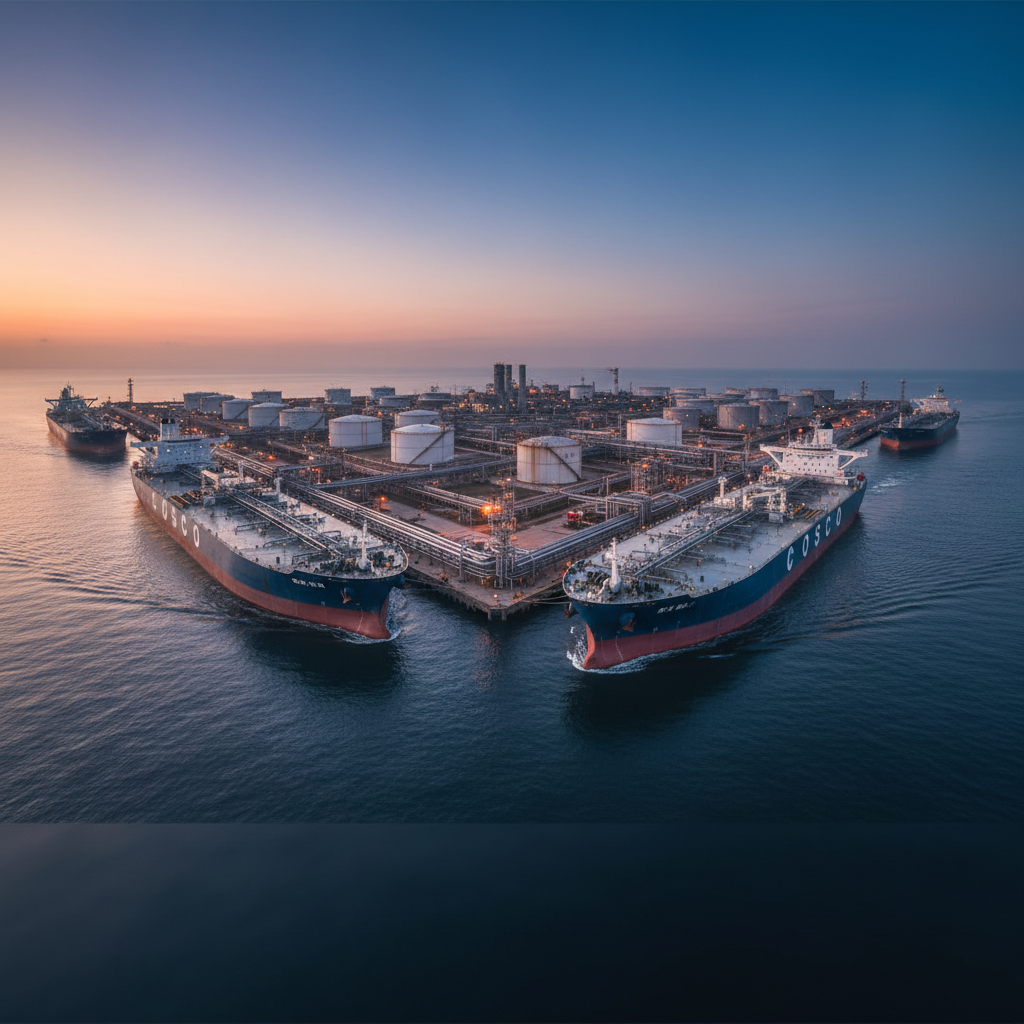
COSCO Shipping Energy Transportation, a prominent player in the global shipping arena, has signaled a profound shift in the crude oil tanker market with its announcement of a substantial fleet expansion. The company is committing to the addition of 24 Very Large Crude Carriers (VLCCs) to its operational capacity. This strategic move, involving newbuilding contracts valued at RMB9.48 billion, equivalent to approximately $1.42 billion, for ten supertankers, alongside plans for another 14 through long-term bareboat charters, underscores a significant long-term investment in the energy transportation sector. Such an expansion by a major entity like COSCO is poised to send ripples across global supply chains, influencing everything from freight rates to energy security and the competitive dynamics of maritime shipping.
COSCO's $1.42 Billion Investment Bolsters Global VLCC Fleet by 24 Vessels
The scale of COSCO's commitment to 24 new VLCCs represents a considerable augmentation of global crude oil shipping capacity. VLCCs are the backbone of long-haul crude oil transportation, and adding such a significant number of these vessels will inevitably alter the supply-demand equilibrium in the tanker market. The initial investment of $1.42 billion for ten newbuilds demonstrates a strong capital allocation towards modernizing and expanding its owned fleet. The subsequent arrangement for 14 additional vessels via bareboat charters indicates a dual strategy: direct ownership for core capacity and flexible leasing for further expansion, allowing for capital expenditure management while still rapidly increasing operational scale. This dual approach provides both stability and adaptability in a volatile market. For shippers, this translates into potentially greater vessel availability and choice, particularly for those involved in large-volume crude oil movements from major production hubs to consumption centers. The sheer volume of new vessels suggests a strategic outlook that anticipates sustained or growing demand for crude oil transport in the coming years, positioning COSCO to capture a larger share of this critical market.
Shifting Dynamics in Crude Oil Supply Chains and Freight Costs
This substantial fleet expansion will have direct and indirect impacts on the global supply chain for crude oil. From a capacity perspective, the introduction of 24 VLCCs will significantly increase the total available tonnage for crude oil transport. This surge in supply, assuming demand growth does not perfectly match it, could lead to a more competitive freight market. Shippers, including national oil companies and major energy traders, may find themselves in a stronger negotiating position for charter rates, potentially leading to a reduction in the cost component of crude oil transportation. This financial relief could be passed down the supply chain, influencing energy prices at various stages. Furthermore, a larger, modern fleet enhances the resilience and flexibility of global crude oil logistics. Newer vessels often boast improved fuel efficiency and lower emissions, aligning with evolving environmental regulations and potentially reducing operational costs for carriers, which can further contribute to competitive pricing. For countries heavily reliant on seaborne crude imports, particularly in Asia, a more robust and available supertanker fleet, especially from a major operator like COSCO, could contribute to enhanced energy security by ensuring consistent and reliable supply routes.
Intensified Competition and Long-Term Market Outlook for Tanker Operators
The financial implications of COSCO's fleet push extend beyond immediate freight rates. The $1.42 billion investment, coupled with the long-term bareboat charters, signifies a massive capital outlay and a strong belief in the long-term profitability of the crude tanker sector. This move will undoubtedly intensify competition within the VLCC segment. Other tanker operators, both state-owned and private, will need to assess their own fleet strategies in response. Companies with older, less efficient vessels may face increased pressure to modernize or risk becoming less competitive on both cost and environmental compliance. The decision to expand so aggressively suggests COSCO's confidence in future crude oil demand, perhaps anticipating shifts in global energy consumption patterns or a sustained need for traditional fossil fuels. This strategic positioning could lead to a consolidation of market power, with larger, more modern fleets gaining an advantage. The financial commitment also reflects the high barriers to entry in the supertanker market, where significant capital is required to compete effectively. This expansion could set a new benchmark for fleet investment and operational scale in the coming decade, influencing investment decisions across the entire maritime energy sector.
Conclusion & Strategic Insights
COSCO's massive investment in 24 new VLCCs is a definitive statement of intent, poised to fundamentally reshape the crude oil tanker market by significantly boosting capacity and intensifying competition.
- Capacity Shift: The addition of 24 VLCCs will substantially increase global crude oil transport capacity, potentially stabilizing or lowering freight rates for shippers.
- Financial Pressure: A $1.42 billion investment highlights the capital intensity of fleet expansion, creating competitive pressure on other tanker operators and influencing long-term market profitability.
- Energy Security: A larger, modern fleet enhances the reliability and efficiency of crude oil supply chains, contributing to improved energy security for importing nations.
Source: Splash247 — https://splash247.com/cosco-unveils-massive-supertanker-fleet-push/