
India's Container Ambition: Reshaping Global Supply Chain Dynamics
India's ambitious $1.05 billion investment to boost domestic container manufacturing capacity tenfold signals a strategic move to disrupt China's near-monopoly. This initiative promises significant shifts in global trade, supply chain resilience, and financial landscapes for shippers and carriers alike.
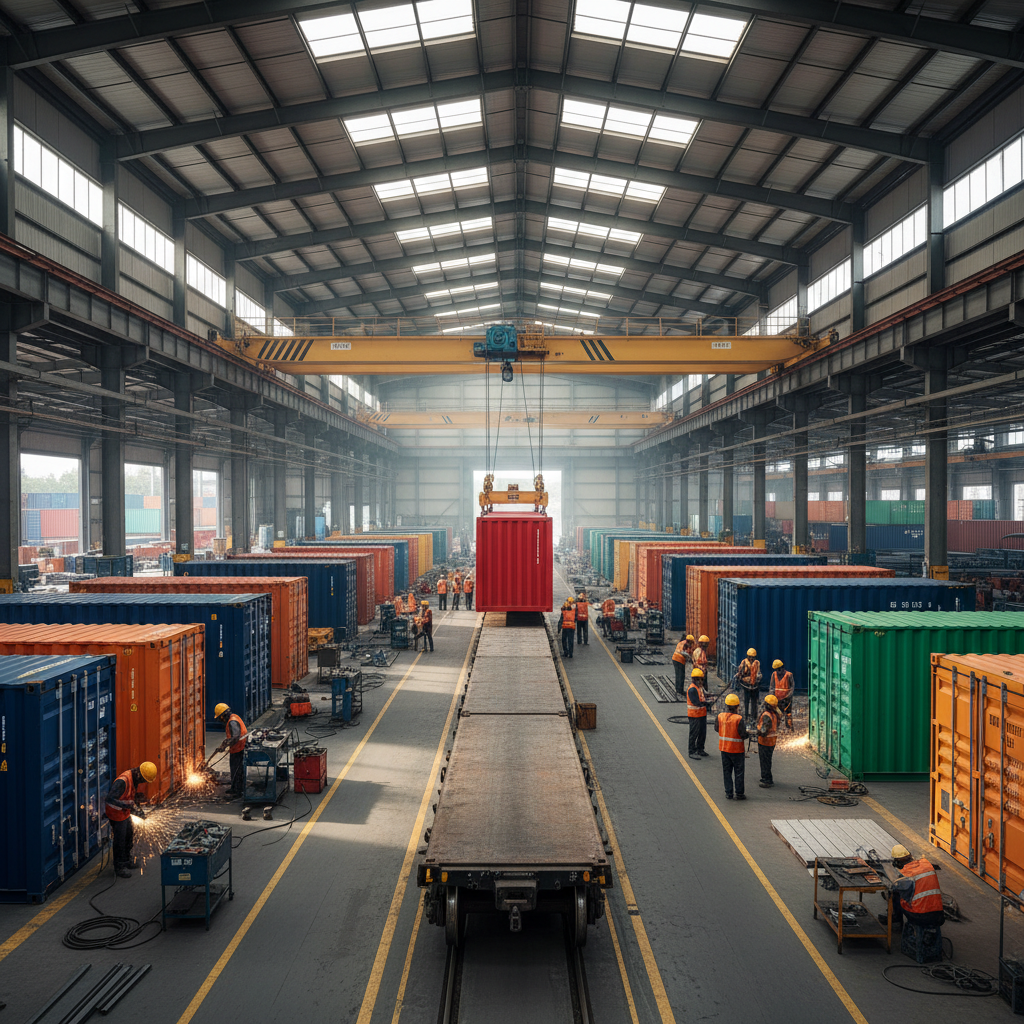
How this impacts the global supply chain
India's significant investment in container manufacturing, aiming for a tenfold increase in annual capacity, represents a pivotal shift in the global supply chain landscape. For decades, the world has relied heavily on a single dominant source for shipping containers, primarily China. This concentration has, at times, exposed the fragility of global trade, leading to acute container shortages during periods of high demand or disruption, such as the recent pandemic-induced surges. The Indian initiative introduces a critical element of diversification.
From a flows and routes perspective, this development could gradually reconfigure established patterns. While China will likely remain a major player, the emergence of India as a substantial container producer means that shipping lines and leasing companies will have an alternative sourcing option. This could lead to new internal logistics networks within India for distributing these containers to ports, and subsequently, new or augmented shipping routes for repositioning empty containers globally. Instead of a predominant flow of empty containers returning to East Asia for refilling, a portion might now be directed towards or originate from Indian ports. This diversification reduces the vulnerability associated with relying on a single manufacturing hub, offering greater flexibility in equipment deployment and potentially mitigating the impact of regional disruptions.
In terms of capacity, the long-term goal of a tenfold increase in India's annual output will inject substantial new supply into the global container fleet over the 13-year program. This expansion is not merely about adding numbers; it's about building a geographically distinct manufacturing base. Such an increase could alleviate the chronic shortages that have plagued the industry, especially during peak seasons or unforeseen events. Greater overall capacity, coupled with diversified sourcing, translates into improved availability of equipment, which is fundamental to maintaining smooth global trade operations. It could also lead to reduced lead times for new container orders, as manufacturers compete for business across multiple geographies.
Operationally, shipping companies and logistics providers will benefit from enhanced resilience. The ability to source containers from different regions reduces the risk of single-point-of-failure scenarios. For instance, if a major port or manufacturing zone in one country faces closures due to geopolitical tensions, natural disasters, or health crises, the global supply of containers would not be as severely impacted if other manufacturing hubs are operational. This fosters a more robust and adaptable operational environment. Furthermore, the development of a strong container manufacturing sector in India could also spur the growth of related industries, such as container repair and maintenance facilities, further enhancing the operational infrastructure for global shipping in the region. This strategic decentralization is a proactive step towards building a more resilient and less volatile global supply chain.
Global financial impact
The financial implications of India's ambitious container manufacturing program are substantial and far-reaching, affecting shippers, carriers, and the broader landscape of global trade. The current near-monopoly held by China in container production has historically given it significant pricing power, influencing the cost of new containers and, by extension, the operational expenses for shipping lines and the leasing rates for shippers.
For shippers, the most direct financial benefit could manifest in more stable and potentially lower container-related costs in the long run. During periods of container shortages, shippers have faced exorbitant demurrage and detention charges, as well as significantly higher freight rates driven by equipment scarcity. A tenfold increase in global container manufacturing capacity, originating from a new, competitive source like India, is expected to introduce greater competition into the market. This increased competition could lead to more favorable pricing for container purchases and leases, ultimately reducing the capital expenditure for companies that own their containers and the operational costs for those who lease them. Furthermore, improved container availability would reduce the likelihood of costly delays and disruptions, leading to more predictable supply chain expenses and better inventory management. The ability to move goods more reliably and efficiently has a direct positive impact on a shipper's bottom line.
Carriers stand to gain significantly from diversified sourcing options. Their capital expenditure on new container fleets is a major cost component. With India entering the market as a substantial producer, carriers will have more leverage in negotiating prices for new containers, potentially leading to reduced acquisition costs. This could free up capital for other investments, such as fleet modernization or technological upgrades. Moreover, enhanced container availability means fewer instances of ships waiting for equipment, leading to improved vessel utilization and operational efficiency. The reduction in empty container repositioning costs could also be a factor, particularly if India's manufacturing output aligns with its export volumes, creating more balanced trade flows for equipment. This strategic shift could contribute to more stable and predictable operating environments for shipping lines, mitigating the financial volatility often associated with equipment shortages.
For trade at large, the financial impact is one of enhanced resilience and reduced systemic risk. The $1.05 billion investment is a move to de-risk a critical component of global commerce. Past container shortages have led to inflationary pressures across various sectors, as the cost of moving goods escalated dramatically. By fostering a more balanced and competitive container manufacturing ecosystem, India's program aims to stabilize these costs, contributing to more predictable global trade economics. It also represents a significant industrial investment for India itself, creating jobs, fostering technological advancement, and potentially attracting further foreign direct investment into its manufacturing sector. Ultimately, a more robust and diversified container supply chain translates into a more stable and cost-efficient global trading environment, benefiting economies worldwide by ensuring the smooth flow of goods and reducing the financial burden of supply chain disruptions.
How MGS can help navigate today's global trade environment
In a global trade environment undergoing significant shifts, such as the emergence of new manufacturing hubs for critical equipment like shipping containers, a robust shipment-visibility control tower platform like MGS becomes an indispensable tool for operators. The Indian initiative, aiming to massively expand container production, introduces new complexities and opportunities that MGS can help manage effectively.
Firstly, MGS provides unparalleled real-time visibility into the entire container lifecycle, from manufacturing origin to final destination. As new containers begin to roll off production lines in India, MGS can track their movement into the global fleet. For carriers, this means precise monitoring of new equipment deliveries, understanding when and where new containers become available for deployment. For shippers, it offers insight into the availability of equipment in specific regions, which is crucial for planning shipments and avoiding potential delays caused by container scarcity. This granular visibility allows for proactive decision-making rather than reactive problem-solving.
Secondly, MGS enhances risk management and mitigation. The diversification of container manufacturing, while beneficial, also introduces new supply chain pathways that need to be monitored. MGS can identify potential bottlenecks or disruptions within this evolving supply chain, whether it's delays in raw material sourcing for Indian factories, production slowdowns, or logistical challenges in distributing newly built containers from Indian ports. By aggregating data from various sources – factory updates, port operations, vessel movements – MGS can flag anomalies, allowing operators to assess risks associated with new sourcing strategies and implement contingency plans before they escalate into major disruptions. This proactive risk identification is critical in navigating a multi-source environment.
Thirdly, MGS facilitates operational optimization and strategic planning. With a diversified container manufacturing landscape, the dynamics of container repositioning, allocation, and utilization will change. MGS can provide the data and analytical capabilities to optimize these complex operations. For instance, it can help carriers determine the most efficient routes for new containers to enter their active fleet, or identify opportunities to reduce empty container movements by leveraging new manufacturing locations. For shippers, MGS's predictive analytics can forecast container availability in different regions, enabling more strategic planning for future shipments and inventory management. The platform’s ability to integrate data from various legs of the supply chain – from factory gates in India to port terminals worldwide – offers a holistic view that is essential for making informed decisions on sourcing, logistics, and inventory in a multi-polar container supply environment. In essence, MGS transforms raw data into actionable insights, enabling businesses to adapt swiftly and efficiently to the evolving global trade landscape shaped by initiatives like India's container manufacturing drive.
Demand–supply analysis & improvement
The narrative surrounding India's container manufacturing drive clearly highlights a significant imbalance in the global demand-supply dynamics for shipping containers, and presents a strategic lever for improvement. For many years, the global supply of shipping containers has been overwhelmingly concentrated in a single region, primarily China. This concentration has historically created a precarious situation where global trade, which is fundamentally reliant on these ubiquitous steel boxes, is vulnerable to disruptions originating from a single geographic point.
Demand: The underlying demand for shipping containers is robust and ever-growing, intrinsically linked to the expansion of global trade. As economies grow and interconnectedness increases, the need to transport goods across oceans in a standardized, efficient manner continues unabated. The recent past, particularly during the pandemic, starkly illustrated this demand; even a slight disruption in the supply chain or a surge in consumer demand could lead to acute container shortages, causing massive backlogs, port congestion, and unprecedented spikes in freight rates. This demonstrated that the existing supply infrastructure, despite its scale, lacked the necessary resilience to absorb shocks when manufacturing was concentrated.
Supply: The current supply landscape is characterized by a near-monopoly. India's $1.05 billion program, targeting a tenfold increase in its annual container manufacturing capacity, directly addresses this supply-side vulnerability. It represents a deliberate and substantial effort to diversify the global production base. By fostering a new, significant manufacturing hub, the initiative aims to inject a substantial volume of new containers into the global fleet over the next 13 years. This expansion is not just about increasing the sheer number of containers; it's about creating an alternative source that can absorb demand fluctuations and mitigate risks associated with over-reliance on a single region.
Improvement Levers: The Indian initiative itself is a prime example of a concrete improvement lever: diversification of manufacturing locations. This strategic decentralization is crucial for building resilience. Other improvement levers implicitly supported by this move include:
- Government Incentives: The $1.05 billion investment underscores the role of government support in fostering critical industrial capabilities. Such incentives can jumpstart new manufacturing ecosystems and attract private investment.
- Technological Advancement and Skill Development: To compete effectively, Indian manufacturers will need to adopt advanced production techniques and develop a skilled workforce. This will not only increase output but also potentially improve container quality and innovation.
- Regional Supply Chain Integration: As India becomes a major container producer, it could foster more integrated regional supply chains, reducing the need for long-haul empty container repositioning and improving overall logistics efficiency within South Asia and beyond.
- Market Competition: The entry of a significant new player will naturally introduce more competition into the container manufacturing market, potentially leading to better pricing and more innovative products for global buyers.
Ultimately, this development is a direct response to the lessons learned from recent supply chain crises, aiming to build a more balanced and resilient global container supply system that can better withstand future shocks and reliably meet the persistent demand of global trade.
ROI-focused resilience
The decision by India to invest $1.05 billion (INR100bn) in expanding its domestic shipping container manufacturing capacity can be framed as a strategic, ROI-focused investment in global supply chain resilience. The core principle here is that an upfront investment to diversify critical infrastructure yields significant returns by mitigating quantifiable risks and protecting against substantial future losses.
Quantified Risk: The primary risk being addressed is the extreme vulnerability of global trade due to the near-monopoly in container manufacturing. During recent supply chain disruptions, particularly the COVID-19 pandemic, the concentration of container production in a single region led to severe shortages. This resulted in:
- Exorbitant Freight Costs: Shipping rates skyrocketed, with some routes seeing increases of 500% or more, directly impacting the cost of goods for consumers and the profitability of businesses.
- Supply Chain Delays and Disruptions: Goods could not be shipped, leading to empty shelves, production stoppages, and missed sales opportunities for companies. The economic cost of these delays ran into billions of dollars globally.
- Increased Inventory Costs: Businesses were forced to hold larger buffer stocks to account for unpredictable lead times, tying up capital and increasing warehousing expenses.
- Economic Instability and Inflation: The inability to move goods efficiently contributed to inflationary pressures and broader economic uncertainty.
Investment in Resilience: India's $1.05 billion program is a direct investment to counter these risks. By aiming for a tenfold increase in capacity over 13 years, it's building a robust alternative supply source. This investment is not merely about creating new containers; it's about creating a geographically diversified and therefore more resilient global container ecosystem.
Return on Investment (ROI): The ROI on this resilience investment is multifaceted and substantial:
- Avoided Costs: The most direct ROI is the avoidance of future costs associated with container shortages. If the diversified supply prevents even a fraction of the freight rate spikes, demurrage charges, and production losses experienced in recent years, the global economic savings would far outweigh the initial $1.05 billion investment. For individual shippers and carriers, this translates into more stable operating costs and predictable supply chains.
- Enhanced Trade Continuity: A more resilient container supply ensures the continuous flow of goods, protecting revenue streams for businesses and ensuring product availability for consumers. This continuity has immense economic value, preventing economic stagnation and fostering stable growth.
- Reduced Geopolitical Risk Exposure: Diversifying container manufacturing reduces the leverage of any single nation over global trade, offering greater strategic independence and reducing the impact of regional political or economic instability on the global supply chain.
- Economic Development for India: For India, the ROI includes industrial growth, job creation, technological advancement, and increased self-reliance in a critical sector. This contributes to national economic stability and strategic importance.
- Improved Market Competition: The introduction of a significant new player fosters competition, which can lead to innovation and potentially lower long-term costs for containers globally, benefiting all participants in the supply chain.
In essence, the $1.05 billion investment is a premium paid today to insure against potentially far greater economic losses and disruptions tomorrow. It's a clear demonstration of how strategic capital allocation can build systemic resilience, yielding a powerful return in the form of stability, continuity, and reduced vulnerability for the entire global trade ecosystem.
Source: Splash247 — https://splash247.com/india-greenlights-1bn-drive-to-break-chinas-container-manufacturing-dominance/