
Geopolitical Currents: Navigating Maritime Disruptions and Commodity Volatility
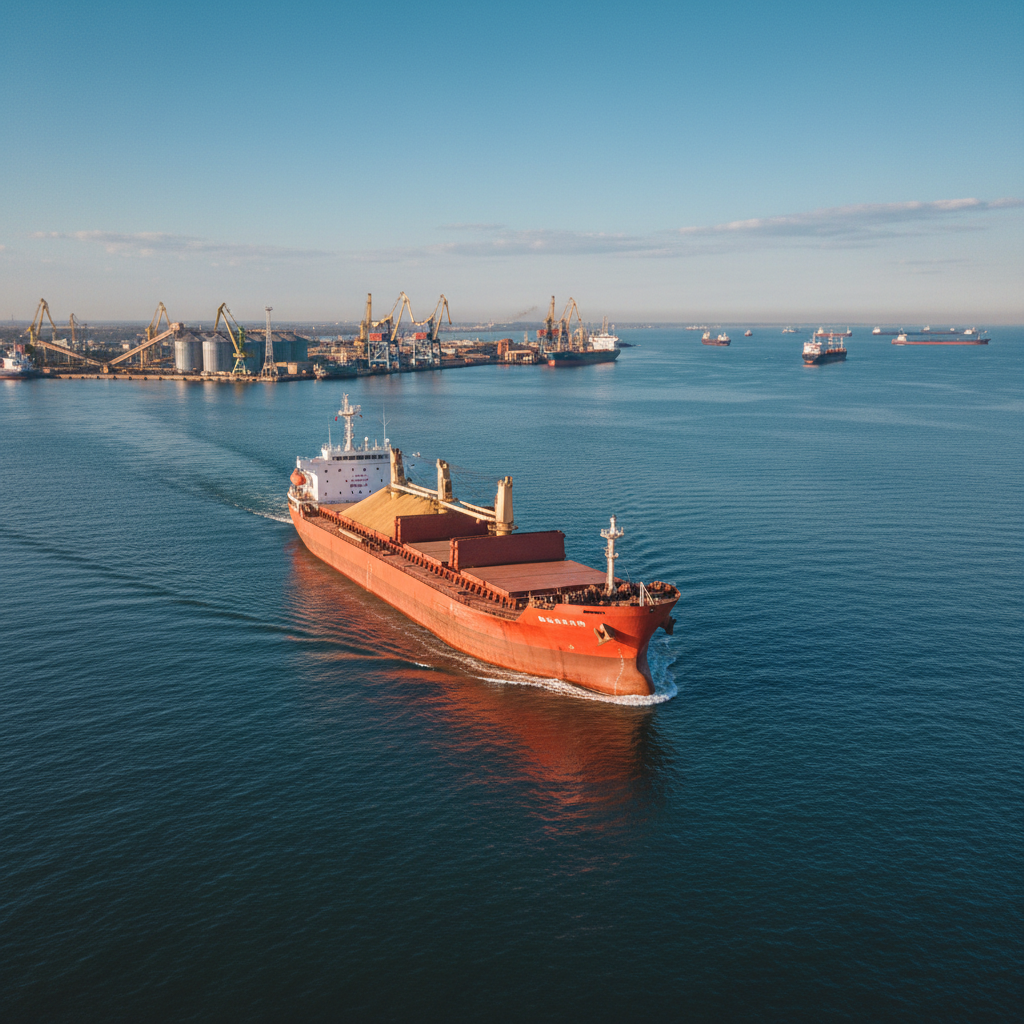
Recent developments in the Sea of Azov underscore the profound impact of geopolitical events on global trade. The resumption of grain exports after a closure since July 10 highlights critical challenges for maritime routes, commodity flows, and the urgent need for real-time supply chain visibility.
The Volatile Landscape of Maritime Trade
The global supply chain operates within an increasingly complex and unpredictable geopolitical environment. Waterways, often considered the arteries of international commerce, are particularly susceptible to disruptions stemming from regional tensions or conflicts. The recent development regarding the Sea of Azov, where permits for grain export vessels have been issued for the first time since July 10, serves as a stark reminder of this inherent volatility. For months, maritime traffic in this crucial basin was constrained, effectively halting a significant export channel. Such closures, whether due to direct conflict, security concerns, or administrative mandates, immediately create bottlenecks, forcing shippers and carriers to re-evaluate routes, assess risks, and brace for unforeseen costs. The ripple effect extends beyond the immediate vicinity, impacting global shipping schedules, vessel availability, and the overall efficiency of the maritime transport network. Even a temporary cessation of activity in a key shipping lane can trigger a cascade of operational challenges, underscoring the fragility of interconnected global logistics systems.
Disruptions to Critical Commodity Flows
The most immediate and tangible consequence of such maritime disruptions is often felt in the flow of critical commodities. Grain, as highlighted by the Sea of Azov situation, is a prime example. Regions bordering the Sea of Azov are significant producers of agricultural goods, and their inability to export through traditional, efficient routes can have far-reaching implications. When a major export channel is closed, the supply of these commodities to international markets is constrained. This can lead to price volatility, as scarcity or increased transport costs drive up market rates. Importing nations, particularly those reliant on these specific origins, may face heightened food security concerns, necessitating urgent searches for alternative suppliers or more expensive procurement options. Furthermore, the disruption impacts the agricultural producers themselves, who may struggle to move their harvest, leading to storage issues, financial losses, and disincentives for future production. The reopening of these routes, while a positive development, does not erase the period of lost trade and the lingering uncertainty that such interruptions instill in global commodity markets.
Operational Challenges and Supply Chain Strain
Beyond commodity prices, geopolitical disruptions impose severe operational challenges across the supply chain. When a route becomes inaccessible, vessels must be rerouted, often leading to significantly longer transit times and increased fuel consumption. This not only inflates operational costs for carriers but also throws carefully planned shipping schedules into disarray, causing delays for subsequent shipments and impacting inventory management for consignees. Insurance premiums for vessels operating in or near conflict zones can skyrocket, adding another layer of cost and risk. Port congestion can become an issue at alternative hubs as diverted traffic strains existing infrastructure. Moreover, the safety and well-being of seafarers become a paramount concern, influencing crew availability and operational decisions. These cumulative pressures strain the entire logistics ecosystem, testing the resilience of supply chain networks and highlighting the need for agile, adaptive strategies.
The Imperative of Real-time Visibility
In an environment characterized by such rapid and significant geopolitical shifts, real-time shipment visibility is no longer a luxury but an absolute necessity. A robust shipment-visibility control tower, like MGS, empowers organizations to navigate these turbulent waters with greater confidence. When a maritime route, such as the Sea of Azov, faces closure or reopens, an MGS platform provides immediate, granular insights into the status and location of all affected cargo and vessels. This enables supply chain managers to quickly identify which shipments are impacted, assess the extent of delays, and proactively explore alternative routes or modes of transport. The ability to track vessels in real-time, monitor port congestion, and receive alerts on geopolitical developments allows for rapid decision-making, minimizing potential financial losses, mitigating reputational damage, and ensuring continuity of supply where possible. Without such comprehensive visibility, businesses are left to react blindly, often incurring greater costs and experiencing longer recovery times.
Building Resilience in an Unpredictable World
The recurring nature of geopolitical disruptions necessitates a fundamental shift towards building more resilient and adaptable supply chains. The experience with the Sea of Azov maritime traffic closure and subsequent reopening underscores the importance of strategic planning that accounts for such eventualities. Companies must consider diversifying their sourcing and shipping routes, rather than relying heavily on single points of failure. Developing robust risk assessment frameworks that incorporate geopolitical intelligence is crucial for anticipating potential disruptions. Furthermore, investing in advanced technologies, particularly shipment-visibility platforms, becomes a cornerstone of resilience. These tools not only provide the immediate data needed to respond to crises but also offer insights for long-term strategic adjustments, helping organizations to model different scenarios and build more robust, agile, and future-proof supply chains capable of withstanding the unpredictable currents of global geopolitics.
Source: Maritime Professional — https://www.maritimeprofessional.com/news/russia-issues-first-grain-export-423919