
Geopolitical Currents: Reshaping Global Cargo Movement and Supply Chain Resilience
Geopolitical events are increasingly disrupting the intricate web of global cargo movement, impacting everything from established shipping routes and airspace access to the imposition of tariffs and sanctions. This brief explores the multifaceted consequences for trade and transport, highlighting the critical role of advanced visibility in navigating an unpredictable landscape.
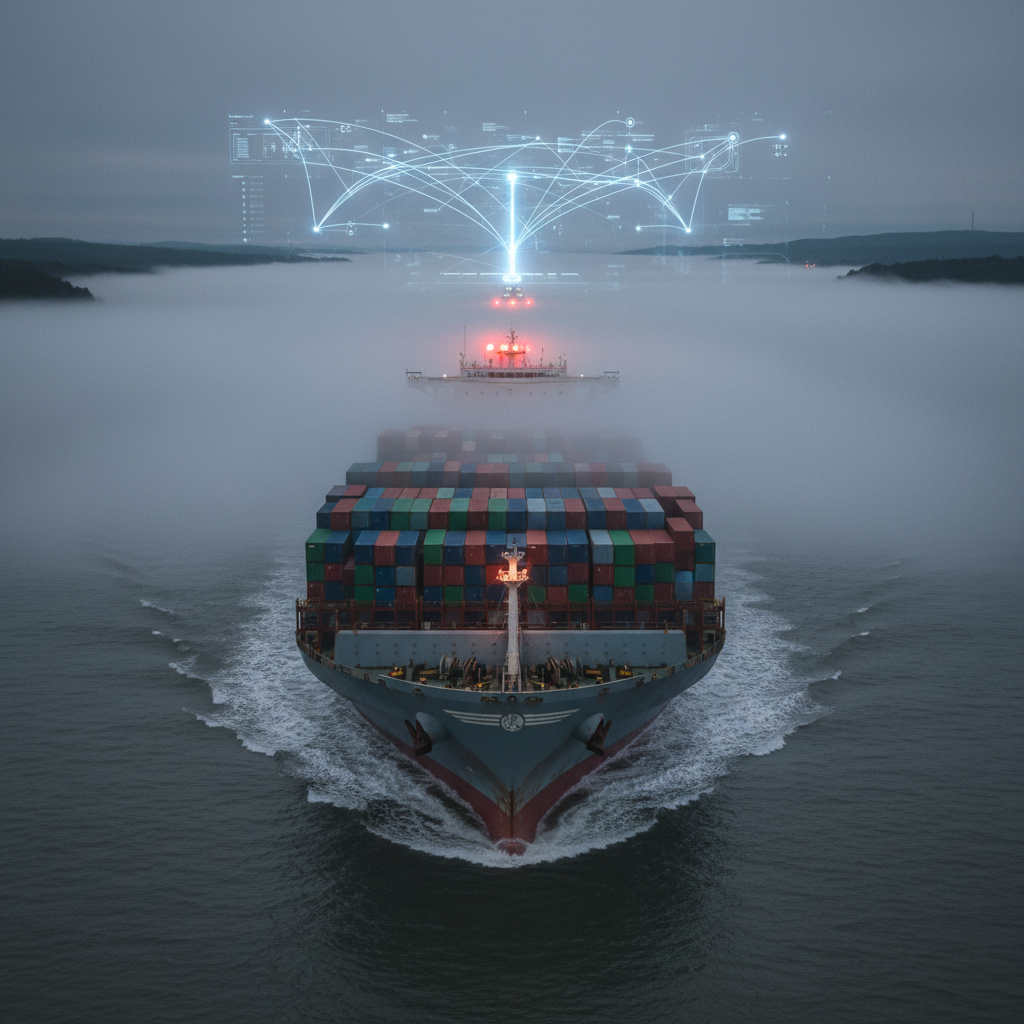
The global supply chain, once optimized for efficiency and cost-effectiveness, now finds itself perpetually recalibrating in response to an escalating array of geopolitical events. These events, ranging from direct conflicts and diplomatic tensions to the emergence of new regulatory frameworks with international implications, are fundamentally altering the operational environment for cargo movement. For supply chain professionals, understanding these shifts is paramount, as they directly translate into altered routes, restricted access, increased costs, and heightened risk.
Shifting Maritime Routes and Waterway Access
Maritime transport, the backbone of global trade, is particularly susceptible to geopolitical pressures. The introduction of new regulatory frameworks, such as the European fuel standard mentioned in the source material, can, for instance, create new geopolitical dynamics by reshaping rule-making power and influencing port competition. Such regulatory shifts, alongside more overt geopolitical conflicts, often lead to significant alterations in established shipping routes. When key waterways become high-risk zones or are entirely inaccessible due to conflict, or when regulatory divergence makes certain routes economically unviable, vessels are forced to reroute. This often means longer voyages, circumventing strategic chokepoints or navigating around conflict zones, which directly translates into increased transit times. Longer routes demand greater fuel consumption – a particularly salient point given the global focus on fuel security and the race for green marine fuels. Consequently, operational costs surge due to higher fuel expenditures, increased insurance premiums for riskier passages, and potential surcharges. The ripple effect includes strains on vessel capacity as ships are tied up for longer durations, leading to potential delays, port congestion at alternative hubs, and ultimately, higher freight rates for shippers. For an MGS shipment visibility control tower, real-time tracking becomes indispensable, allowing logistics teams to identify rerouting events as they happen, estimate new Estimated Times of Arrival (ETAs), and proactively manage inventory levels to mitigate stockouts or oversupply.
Airspace Restrictions and Air Cargo Repercussions
While the primary focus of some geopolitical discussions may be maritime, the impact on air cargo and airspace access is equally profound. Geopolitical conflicts or severe diplomatic disputes frequently result in the closure of national airspaces or the imposition of flight restrictions over vast regions. Airlines are then compelled to re-plan flight paths, often taking significantly longer detours to avoid prohibited zones. These extended routes lead to increased fuel burn, higher operational costs for carriers, and a reduction in available cargo capacity as more fuel displaces payload. For time-sensitive and high-value goods, which often rely on air freight for speed, such disruptions can be catastrophic, leading to missed deadlines, spoiled perishable goods, and significant financial losses. The cascading effect includes delays at origin and destination airports, increased pressure on ground handling services, and potential bottlenecks in the air cargo network. An MGS control tower offers critical capabilities here, enabling the monitoring of air cargo movements across global networks, identifying flights impacted by airspace restrictions, and facilitating rapid communication with stakeholders regarding delays or the need for alternative air cargo solutions.
The Escalation of Tariffs and Sanctions
Economic measures, in the form of tariffs and sanctions, are increasingly deployed as instruments of geopolitical strategy, profoundly impacting trade flows and supply chain structures. Tariffs, essentially taxes on imported goods, directly increase the cost of products, making them less competitive in target markets. This can force companies to re-evaluate their sourcing strategies, potentially leading to trade diversion where goods are sourced from or routed through countries not subject to the tariffs. The long-term consequences include shifts in global manufacturing footprints, as businesses consider reshoring or nearshoring production to mitigate tariff risks, and ultimately, higher costs for consumers. Sanctions, on the other hand, are more restrictive, often prohibiting trade with specific countries, entities, or individuals, or banning certain types of goods or technologies. Navigating a sanctions regime is complex, requiring meticulous compliance to avoid severe legal and financial penalties. Companies must implement robust due diligence processes to screen partners, routes, and products. The broader impact includes market access denial, supply chain fragmentation as companies de-risk by diversifying suppliers away from sanctioned regions, and a significant increase in administrative burden. An MGS platform can be instrumental in this environment, providing the visibility needed to track goods through complex customs and regulatory frameworks, ensuring compliance with origin and destination rules, and flagging potential interactions with sanctioned entities or restricted commodities.
Broader Consequences for Global Trade and Supply Chain Resilience
The cumulative effect of these geopolitical disruptions is a global trade landscape characterized by heightened volatility, uncertainty, complexity, and ambiguity (VUCA). Supply chains, once lean and optimized for just-in-time delivery, are now under pressure to build greater resilience. This often means increasing safety stock levels to buffer against unpredictable delays, diversifying supplier bases to reduce reliance on single regions or providers, and investing in advanced risk management capabilities. The push for regionalization or localization of supply chains gains momentum as companies seek to reduce exposure to distant geopolitical flashpoints. Overall operational costs invariably rise due to longer transit times, increased fuel and insurance expenses, and the complexities of navigating tariffs and sanctions. The traditional models of globalized trade are being re-evaluated, favoring agility and adaptability over sheer efficiency. This paradigm shift underscores the urgent need for comprehensive supply chain visibility to anticipate, respond to, and mitigate the multifaceted risks posed by geopolitical events.
Leveraging Visibility for Navigating Geopolitical Disruptions
In this era of persistent geopolitical turbulence, a robust shipment visibility control tower (MGS) is no longer a luxury but a strategic imperative. By providing real-time, end-to-end visibility across all modes of transport – maritime, air, road, and rail – MGS platforms empower organizations to transform reactive responses into proactive strategies. Such a system can offer early warnings of potential disruptions, whether it's a developing conflict impacting an air corridor or a new regulatory framework altering port dynamics. With granular data on every shipment's location and status, logistics teams can rapidly assess the impact of a disruption, model alternative routing scenarios, and communicate updated ETAs to customers and internal stakeholders. Furthermore, an MGS control tower aids in compliance by providing a traceable record of goods movement, crucial for navigating complex tariff and sanctions regimes. By consolidating data from multiple sources and applying predictive analytics, an MGS platform enhances decision-making, enabling businesses to maintain operational continuity, manage costs effectively, and build a more resilient and adaptable supply chain capable of weathering the unpredictable currents of global geopolitics.
Source: Container News — https://container-news.com/how-fueleu-maritime-turned-shipping-climate-rules-into-geopolitics/