
Navigating Nature's Fury: Weather's Impact on Global Cargo Flows
Unpredictable weather patterns are increasingly challenging supply chain resilience, causing significant disruptions across key trade lanes, facilities, and transportation modes. This brief examines how meteorological events are reshaping logistics and offers strategies for shippers to maintain continuity.
The Growing Threat of Meteorological Events to Supply Chains
In an increasingly interconnected global economy, the stability of supply chains is paramount. However, a persistent and escalating challenge comes from the unpredictable and often severe nature of weather events. From intense storms and prolonged droughts to extreme temperatures and unseasonal snowfall, meteorological phenomena are no longer isolated incidents but rather critical factors contributing to supply chain volatility. These events create ripple effects that extend far beyond their immediate geographical impact, causing delays, increasing costs, and threatening the timely delivery of goods worldwide. As climate patterns shift, the frequency and intensity of such disruptions are becoming more pronounced, demanding greater foresight and adaptability from logistics professionals and shippers alike.
Impacted Lanes: Where Weather Bites Hardest
Weather events exert a profound influence on the viability and efficiency of global trade lanes, forcing reroutes, closures, and significant delays across all modes of transport.
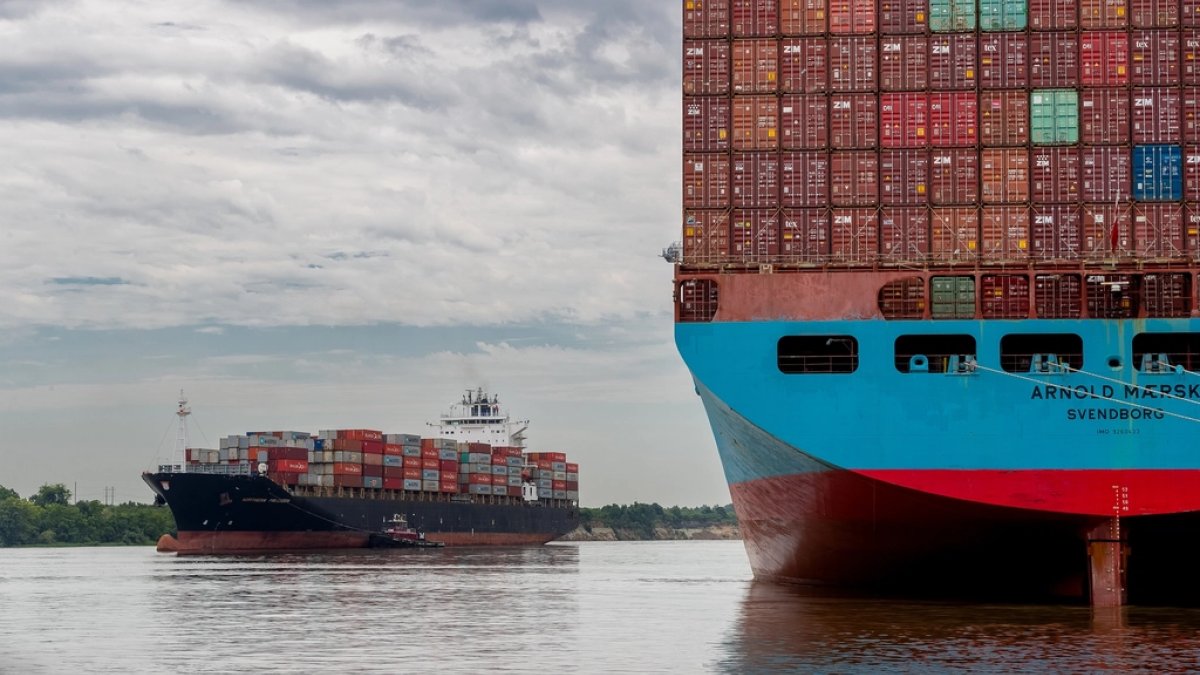
For marine shipping, major ocean routes, including trans-Pacific and trans-Atlantic corridors, as well as critical chokepoints like approaches to the Suez and Panama canals, are routinely affected by hurricanes, typhoons, and severe storms. These conditions necessitate slower speeds for safety, leading to extended transit times, or even complete diversions. Coastal shipping and inland waterways, such as rivers and canals, face unique challenges from flooding, which can render them impassable, or conversely, from prolonged droughts leading to dangerously low water levels that restrict vessel drafts and cargo capacity. Dense fog can also bring maritime traffic to a standstill, while ice accumulation can close ports or require costly icebreaker assistance.
Air cargo operations are highly susceptible to atmospheric conditions. Blizzards, severe thunderstorms, and high winds can lead to widespread flight cancellations and ground stop orders at major airports. Even less dramatic phenomena like volcanic ash plumes, though infrequent, can shut down vast swathes of airspace for days, grounding cargo planes and disrupting time-sensitive shipments. These disruptions cascade through air cargo networks, affecting feeder routes and international hubs.
Road and rail networks are equally vulnerable. Heavy snowfall and ice can close highways and mountain passes, isolating regions and preventing last-mile deliveries. Flooding can wash out roads and railway lines, while landslides, often triggered by heavy rain, can block critical arteries. Extreme heat can cause railway tracks to buckle, necessitating speed restrictions, while extreme cold can lead to mechanical failures in locomotives and trucks, impacting operational reliability across vast continental networks.
Affected Facilities: Bottlenecks and Operational Hurdles
Weather's impact extends directly to critical logistics infrastructure, creating bottlenecks and operational inefficiencies at key transfer points.
Ports and terminals are particularly exposed. High winds can prevent the safe operation of quay cranes, halting loading and unloading activities. Storm surges and coastal flooding can inundate container yards, warehouses, and access roads, damaging infrastructure and cargo, and preventing the movement of goods to and from vessels. Ice-bound ports can become inaccessible, leading to significant backlogs and diversions. These events reduce throughput capacity, creating costly delays and requiring extensive recovery efforts.
Airports face challenges beyond just flight operations. Severe weather can damage runway surfaces, navigational equipment, and cargo handling facilities. Ground crews may be unable to work safely, leading to delays in cargo processing and loading. Power outages, common during major storms, can cripple an airport's ability to manage air traffic and ground operations, further exacerbating delays.
Distribution centers and warehouses are not immune. Access roads can become impassable due to snow, ice, or flooding, preventing trucks from reaching or departing facilities. Power outages can halt automated systems, lighting, and temperature-controlled environments, jeopardizing sensitive cargo. Structural damage from high winds or heavy snow can render facilities inoperable, while regional weather emergencies can lead to labor shortages as employees struggle to reach work.
Modes of Transport: Vulnerabilities and Adaptations
Each mode of transport exhibits unique vulnerabilities to weather, requiring specific adaptations and mitigation strategies.
Ocean freight vessels must often reroute to avoid severe storms, adding days or weeks to transit times and consuming more fuel. The risk of container loss at sea increases significantly during turbulent weather, leading to cargo damage or complete loss. Vessels themselves can sustain damage, requiring costly repairs and further delaying schedules.
For air cargo, reduced lift capacity during weather events means that not all booked cargo can be transported as planned, leading to backlogs and the need for expedited, often more expensive, alternative solutions. Perishable goods, pharmaceuticals, and other time-sensitive cargo are at higher risk of spoilage or degradation due to extended delays.
Rail transport often faces speed restrictions during extreme heat or cold to prevent track damage or equipment failure. Washouts and landslides can lead to service suspensions, requiring extensive repairs before lines can reopen, impacting the movement of bulk commodities and intermodal freight across continents.
Road transport is perhaps the most directly and frequently impacted. Drivers face hazardous conditions, leading to slower speeds, increased accident risks, and longer transit times. Restrictions on certain vehicle types, such as high-sided trucks in strong winds, can further limit capacity. The 'last mile' delivery segment is particularly vulnerable, as local road conditions can quickly deteriorate.
Mitigation Strategies for Shippers
To navigate these weather-induced disruptions, shippers must adopt proactive and resilient strategies:
- Diversification: Relying on multiple carriers, routes, and even modes of transport for critical lanes can provide alternatives when one pathway is compromised.
- Inventory Buffers: Strategically placed safety stock or buffer inventory, particularly for high-demand or critical components, can absorb short-term disruptions without halting production or sales.
- Advanced Planning and Forecasting: Integrating long-range weather forecasts into supply chain planning allows for anticipation of potential disruptions, enabling pre-emptive adjustments to shipping schedules or inventory levels.
- Flexible Routing: Establishing pre-approved alternative routes, ports, or airports allows for rapid adaptation when primary lanes become impassable. This requires strong relationships with logistics partners capable of executing such changes.
- Robust Packaging: Investing in packaging that can withstand moisture, extreme temperatures, and physical shock is crucial for protecting cargo during unexpected delays or exposure to harsh conditions.
- Enhanced Communication Protocols: Establishing clear, real-time communication channels with all stakeholders—carriers, customs brokers, consignees, and internal teams—ensures everyone is informed of potential delays and revised plans, facilitating coordinated responses.
The Role of MGS Control Tower in Weather Resilience
In this complex and volatile environment, a shipment-visibility control tower like MGS becomes an indispensable tool for enhancing supply chain resilience against weather disruptions.
An MGS control tower provides real-time visibility into the precise location and status of shipments across all modes and lanes. This allows shippers to identify potential weather-related delays before they escalate into critical issues. By integrating live weather data with shipment tracking, the platform can offer predictive analytics, forecasting the impact of developing meteorological events on estimated times of arrival (ETAs) and pinpointing at-risk cargo.
Proactive alerting is a core capability, automatically notifying users of severe weather warnings in proximity to vessels, vehicles, facilities, or planned routes. This enables swift action rather than reactive scrambling. Furthermore, the MGS platform facilitates scenario planning and optimization, allowing users to model and evaluate alternative routes, modes, or transshipment points in response to evolving weather patterns, ensuring the most efficient and least disruptive path forward.
Acting as a central communication hub, the control tower streamlines information flow and collaboration among all supply chain partners—shippers, carriers, customs, and consignees. This unified platform ensures that everyone is working with the same up-to-date information, enabling coordinated responses to mitigate weather impacts. Ultimately, the MGS control tower empowers data-driven decision-making, providing the actionable insights necessary to reroute, hold, or expedite shipments strategically, transforming potential chaos into managed resilience.