
Geopolitical Tensions Escalate: Tanker Attacks Threaten Strait of Hormuz Shipping
Recent reports of tanker attacks in the Strait of Hormuz underscore escalating geopolitical risks, directly impacting critical global shipping lanes and driving significant commodity market volatility. This brief analyzes the immediate and long-term implications for supply chains, outlining affected routes, facilities, and modes, and offering actionable strategies for shippers to navigate this complex environment.
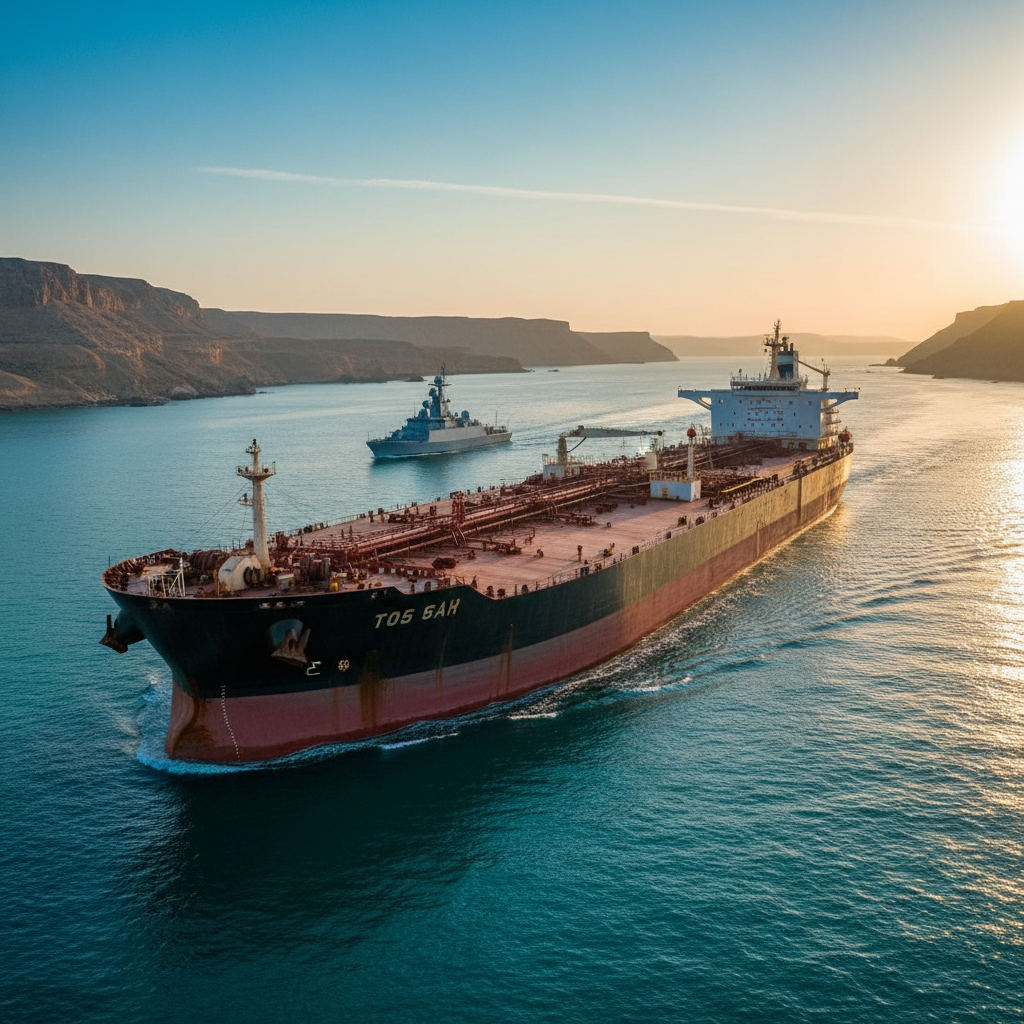
The global supply chain is a finely tuned network, highly susceptible to disruption from various factors. While weather events frequently dominate headlines, geopolitical instability presents an equally, if not more, potent threat to cargo movement. Recent developments in the Strait of Hormuz serve as a stark reminder of this vulnerability, with UK Maritime Trade Operations reporting that two more vessels have been attacked on the Omani side of this critical waterway. This incident, described as the latest in a series, has immediately sent ripples through commodity markets, with Brent crude prices hitting $108.
For supply chain professionals, these events are not isolated incidents but indicators of heightened risk in a region vital to international trade. Understanding the specific impacts on lanes, facilities, and modes, and developing proactive mitigation strategies, is paramount for maintaining resilience in an increasingly unpredictable global landscape.
Geopolitical Instability in the Strait of Hormuz
The Strait of Hormuz is arguably the world's most critical oil chokepoint, connecting the Persian Gulf with the Arabian Sea and beyond. Annually, a substantial portion of the world's seaborne oil and liquefied natural gas (LNG) transits through this narrow passage. The recent reports detailing attacks on two additional tankers on the Omani side of the Strait signify a worrying escalation of geopolitical tensions. This is not an isolated event but rather, as the report indicates, part of an ongoing series of disruptions, suggesting a persistent and evolving threat landscape. Such incidents inherently introduce an element of danger for commercial shipping, transforming routine transit into a high-risk operation. The strategic importance of the Strait means that any disruption here has far-reaching consequences, extending beyond the immediate vicinity to impact global energy markets and, by extension, the broader economy.
Impact on Critical Shipping Lanes and Routes
The direct consequence of these attacks is an immediate elevation of risk for all vessels traversing the Strait of Hormuz. Shipping companies are forced to reassess their operational parameters, potentially leading to increased security measures, re-evaluation of crew safety protocols, and a general reluctance to operate in the area without assurances. For shippers, this translates into potential delays as carriers exercise greater caution or seek alternative, albeit longer and more costly, routes. While the Strait's geographical constraints limit significant rerouting options for cargo originating from or destined for the Persian Gulf, any viable alternatives, such as longer voyages around the Arabian Peninsula, would incur substantial additional fuel costs and extended transit times. Furthermore, the specific mention of the 'Omani route' suggests that even within the Strait, certain segments are now perceived as higher risk, potentially funneling traffic into narrower, more congested channels and increasing the likelihood of further incidents or navigational challenges. This dynamic can lead to a domino effect of schedule disruptions across interconnected global shipping networks.
Effects on Port Operations and Facilities
While the attacks are occurring at sea, their repercussions inevitably extend to port operations in the region and beyond. Ports in proximity to the Strait of Hormuz, such as those in the UAE, Oman, Saudi Arabia, and Iran, may experience indirect impacts. Heightened security alerts could lead to more stringent inspection protocols for vessels entering or departing these ports, causing delays and increasing operational costs. Carriers might also become more selective about port calls, potentially reducing the frequency of services to certain terminals if the perceived risk outweighs commercial benefits. This could lead to congestion at alternative ports, or a decrease in available shipping capacity for goods moving to and from the affected region. Furthermore, the uncertainty could deter investment in port infrastructure and logistics hubs in the immediate vicinity, impacting long-term trade growth and regional supply chain development. Even distant destination ports could face schedule integrity challenges due to delayed vessel arrivals originating from the Strait, leading to increased demurrage and detention charges.
Disruption Across Transportation Modes
The primary and most immediate impact of these attacks is on maritime shipping, particularly for tankers carrying crude oil and refined products. However, the ripple effects can extend to other modes:
- Maritime (General Cargo & Containers): While tankers are the direct targets, the increased risk and insurance premiums affect all types of vessels transiting the Strait. Container ships and bulk carriers may face similar challenges regarding security, delays, and operating costs, leading to higher freight rates for all goods moving through the region.
- Oil & Gas Pipelines: In response to heightened maritime risks, there might be an increased reliance on existing oil and gas pipelines that bypass the Strait of Hormuz. However, these pipelines have finite capacities and their own geopolitical vulnerabilities, meaning they cannot fully absorb the volume typically transported by sea. Any increased demand could strain these alternative infrastructures.
- Air Cargo: For high-value, time-sensitive, or critical shipments, a shift towards air cargo might occur if maritime delays become prohibitive or risks too high. This would place additional demand on air freight capacity, likely driving up costs for air transport.
- Road & Rail: Within the region, increased maritime instability could lead to a greater emphasis on domestic and regional road and rail networks for internal distribution, especially if port access or efficiency is compromised. Globally, the direct impact on road and rail is minimal, but they remain integral parts of the broader intermodal supply chain that ultimately connects with maritime routes.
Commodity Market Volatility and Supply Chain Costs
The most immediate and quantifiable economic impact cited in the report is the surge in Brent crude prices to $108. This price hike is a direct reflection of market anxiety over potential supply disruptions from a region that accounts for a significant portion of global oil output. For supply chains, rising oil prices translate directly into increased operational costs across virtually all transportation modes due to higher fuel surcharges. This affects not only maritime carriers but also air, road, and rail freight, ultimately impacting the landed cost of goods for consumers and businesses worldwide. Beyond fuel, the attacks lead to a sharp increase in insurance premiums, specifically 'war risk' premiums, for vessels operating in or transiting the Strait. These additional costs are inevitably passed on to shippers and, subsequently, to the end consumer. Furthermore, the uncertainty can lead to speculative trading and hoarding, exacerbating price volatility for not just oil, but also for commodities whose production or transport relies heavily on energy inputs.
Mitigating Risks: Strategies for Shippers
In the face of such geopolitical volatility, shippers must adopt proactive strategies to safeguard their supply chains:
- Diversification of Sourcing and Routes: Where possible, explore alternative sourcing locations that do not rely on the Strait of Hormuz. For cargo that must transit the region, engage with carriers that demonstrate robust security protocols and have contingency plans for rerouting or managing delays.
- Inventory Management: Consider holding higher safety stock levels for critical components or finished goods that are susceptible to disruptions in this region. This buffer can absorb short-term delays and prevent production stoppages or stockouts.
- Enhanced Due Diligence on Carriers: Scrutinize carrier security measures, insurance coverage, and track record in high-risk areas. Understand their emergency response capabilities and communication protocols.
- Review Contractual Agreements: Pay close attention to force majeure clauses, war risk clauses, and demurrage/detention terms in shipping contracts. Understand the liabilities and responsibilities of all parties in the event of unforeseen geopolitical disruptions.
- Supply Chain Mapping and Scenario Planning: Develop a comprehensive understanding of your entire supply chain, identifying all points of vulnerability, especially those reliant on critical chokepoints like the Strait of Hormuz. Conduct scenario planning exercises to prepare for various disruption events, including prolonged closures or severe delays.
The Role of Shipment Visibility Control Towers (MGS)
In an environment characterized by escalating geopolitical risks, a robust shipment visibility control tower platform like MGS becomes an indispensable tool for supply chain resilience. MGS provides real-time, end-to-end tracking of cargo, offering unparalleled insight into the status and location of shipments globally. For incidents like the tanker attacks in the Strait of Hormuz, an MGS platform allows shippers to:
- Proactive Monitoring: Instantly identify vessels transiting or approaching the affected region, enabling immediate risk assessment.
- Real-time Alerts: Receive automated notifications regarding incidents, delays, or changes in vessel status, allowing for rapid response.
- Impact Assessment: Quickly evaluate which specific shipments, orders, or customers are affected by a disruption, facilitating targeted communication and mitigation efforts.
- Dynamic Re-routing: Access data to analyze alternative routes and modes, and communicate effectively with logistics partners to implement changes swiftly.
- Performance Analysis: Track carrier performance during crises, informing future procurement decisions and strengthening relationships with reliable partners.
By leveraging the predictive analytics and comprehensive data provided by an MGS platform, businesses can transform reactive responses into proactive strategies, minimizing the financial and operational fallout from geopolitical disruptions and safeguarding supply chain integrity.
Source: The Maritime Executive — https://maritime-executive.com/article/ukmto-two-more-tankers-attacked-on-omani-route-in-strait-of-hormuz