
Navigating the Storm: Weather's Escalating Impact on Global Cargo Movement
As an MGS supply-chain analyst, we examine how increasingly frequent and severe weather events are disrupting critical logistics lanes, facilities, and modes, demanding greater resilience and advanced visibility solutions from shippers.
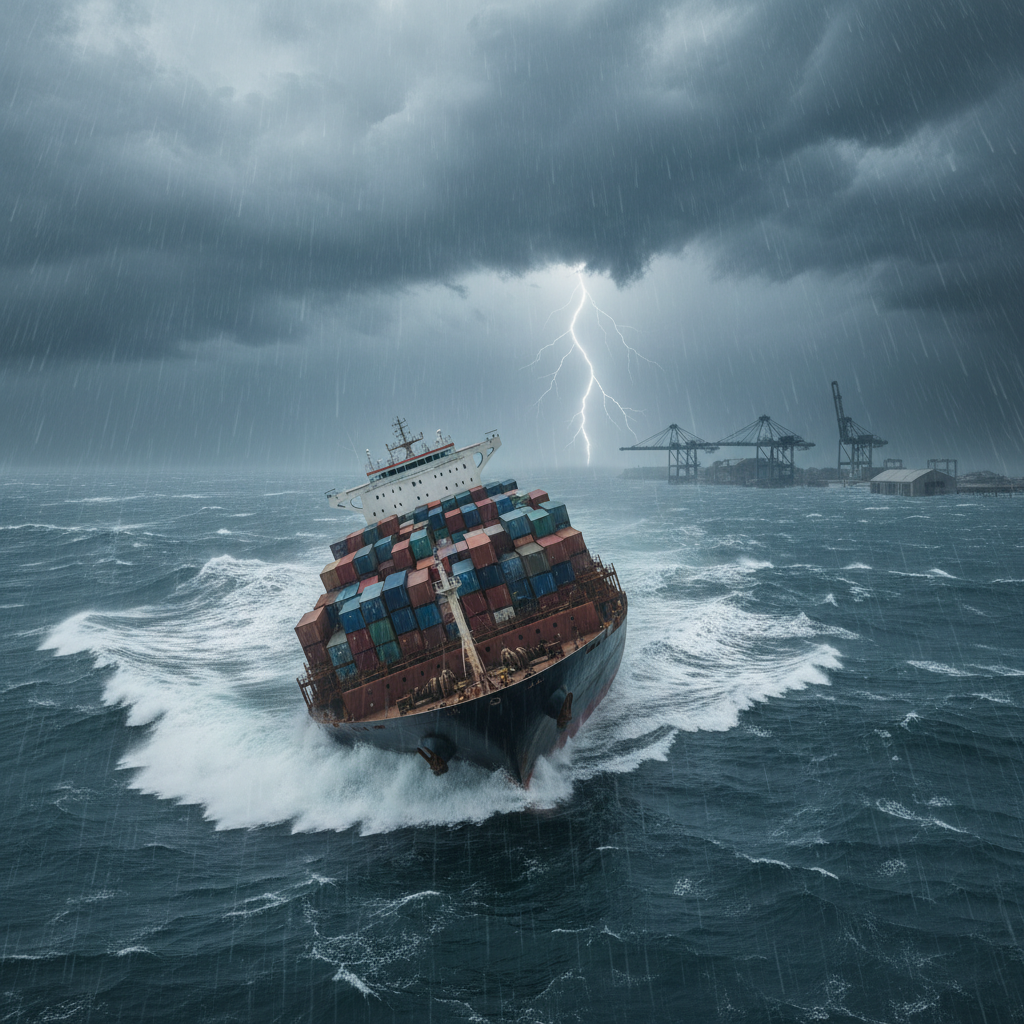
As we look towards 2026 and beyond, the global supply chain operates within an increasingly complex and volatile environment. While geopolitical tensions and technological shifts continue to reshape the landscape, the persistent and escalating challenge of adverse weather conditions remains a primary disruptor to cargo movement worldwide. For shippers, understanding these evolving patterns and their systemic impacts is not just about mitigating immediate losses, but about building long-term resilience.
The Escalating Challenge of Weather Disruptions to Global Cargo Movement
The frequency and intensity of extreme weather events have been on a discernible upward trend, presenting significant operational hurdles for logistics professionals. From powerful tropical cyclones and severe winter storms to prolonged droughts impacting inland waterways and extreme heat affecting infrastructure, these phenomena create a cascading effect across the supply chain. The inherent unpredictability of weather, combined with its widespread geographical reach, makes it a formidable adversary for maintaining consistent cargo flow. This necessitates a proactive and data-driven approach to supply chain management, where real-time visibility becomes paramount for anticipating and reacting to disruptions before they escalate.
Impact on Key Shipping Lanes and Modes
Weather events exert pressure on every mode of transport, forcing diversions, delays, and sometimes complete operational shutdowns. The ripple effects can be felt across entire networks:
-
Maritime Freight: Ocean shipping, the backbone of global trade, is highly susceptible. Major maritime lanes, including critical chokepoints and coastal approaches, frequently experience disruptions from hurricanes, typhoons, and severe storms. These events necessitate vessel rerouting, leading to extended transit times and increased fuel consumption. Fog and strong currents can also impede navigation, causing delays at port entrances. Furthermore, extreme weather at sea poses significant safety risks to crew and cargo, sometimes resulting in damage or loss.
-
Air Cargo: Air freight operations are routinely affected by adverse weather at departure, en route, and destination airports. Heavy snowfall, ice, strong winds, and thunderstorms can lead to flight cancellations, diversions, and significant ground delays. This not only impacts high-value or time-sensitive shipments but also creates backlogs at major air cargo hubs, straining capacity and extending lead times for subsequent flights.
-
Road Freight: Terrestrial transport faces challenges from a broad spectrum of weather conditions. Heavy snowfall and ice can render roads impassable, particularly in mountainous regions, while torrential rains cause flooding and mudslides, closing routes and damaging infrastructure. Extreme heat can lead to road buckling and vehicle overheating, necessitating speed restrictions or even temporary closures. These conditions directly impact delivery schedules, driver safety, and the integrity of temperature-sensitive goods.
-
Rail Transport: Rail networks are vulnerable to track damage from flooding, landslides, and extreme temperatures. High winds can derail trains, and heavy snow can block lines, requiring extensive clearance operations. These disruptions often affect intermodal transfer points, where cargo transitions between rail and road, creating bottlenecks and compounding delays across the entire journey.
Vulnerable Facilities and Infrastructure
The physical infrastructure supporting global trade is equally exposed to weather-related risks, leading to operational paralysis and significant financial impact:
-
Ports and Terminals: Coastal ports are particularly vulnerable to storm surges, high winds, and heavy rainfall. These conditions can damage quay cranes, container stacks, and other vital equipment, leading to operational shutdowns. Flooding can inundate storage areas and access roads, preventing cargo movement. Even after a storm passes, congestion can persist for days or weeks as terminals work to clear backlogs and restore full functionality.
-
Airports: Beyond flight operations, airport cargo handling facilities are susceptible to damage from high winds and flooding. Power outages, common during severe weather, can disable critical systems for cargo screening, sorting, and storage, bringing operations to a standstill.
-
Warehouses and Distribution Centers: These facilities, often located near major transport hubs, face risks from flooding, heavy snowfall leading to roof collapses, and power outages. Access roads can become impassable, preventing inbound and outbound shipments. Damage to inventory or infrastructure can result in significant financial losses and prolonged service interruptions.
-
Intermodal Hubs: As critical transfer points, intermodal hubs are particularly sensitive. Disruptions at these locations, whether due to track damage, road closures, or equipment malfunctions caused by weather, can propagate delays across multiple modes, exacerbating supply chain inefficiencies.
Proactive Strategies for Shippers in a Volatile Climate
In this environment of heightened weather volatility, shippers must adopt robust strategies to safeguard their supply chains. The key lies in enhancing visibility, embracing flexibility, and leveraging predictive insights:
-
Enhanced Shipment Visibility: A shipment-visibility control tower platform, like MGS, is indispensable. It provides real-time tracking of cargo across all modes, offering granular insights into location, status, and estimated time of arrival (ETA). Crucially, MGS can integrate weather overlay data, allowing shippers to visualize approaching storms, understand their potential impact on specific routes or facilities, and receive proactive alerts. This capability enables rapid assessment of unfolding situations and supports informed decision-making.
-
Dynamic Route and Mode Optimization: With real-time weather intelligence from platforms like MGS, shippers can dynamically adjust routes or switch transport modes to circumvent affected areas. For instance, if a major port is forecasted to close due to a hurricane, MGS can help identify alternative ports or reroute ocean freight to avoid delays. Similarly, if road conditions deteriorate, options for rail or air freight can be explored.
-
Robust Contingency Planning: Beyond real-time reaction, shippers must develop comprehensive contingency plans. This includes identifying alternative suppliers, establishing buffer stock at strategic locations, and pre-negotiating emergency transport agreements. MGS can play a vital role in stress-testing these plans, simulating the impact of various weather scenarios on the supply chain to identify vulnerabilities and refine response protocols.
-
Data-Driven Risk Assessment: Leveraging historical weather data combined with predictive analytics, shippers can identify recurring patterns and high-risk areas. MGS platforms can analyze these trends to inform strategic decisions, such as optimizing inventory placement, selecting more resilient transport partners, or investing in weather-hardened infrastructure.
-
Collaborative Information Sharing: Effective communication with carriers, logistics providers, and even customers is critical during weather events. A control tower platform facilitates a single source of truth, ensuring all stakeholders have access to the same real-time information, enabling coordinated responses and managing expectations effectively.
By embracing advanced visibility tools and proactive strategies, shippers can transform weather-related disruptions from insurmountable obstacles into manageable challenges, ensuring greater resilience and continuity in their global supply chains.
Source: The Maritime Executive — https://maritime-executive.com/article/report-russia-develops-untraceable-method-to-disable-subsea-cables