
Geopolitical Shockwave: Supertanker Incident Rocks Global Oil Supply in Hormuz
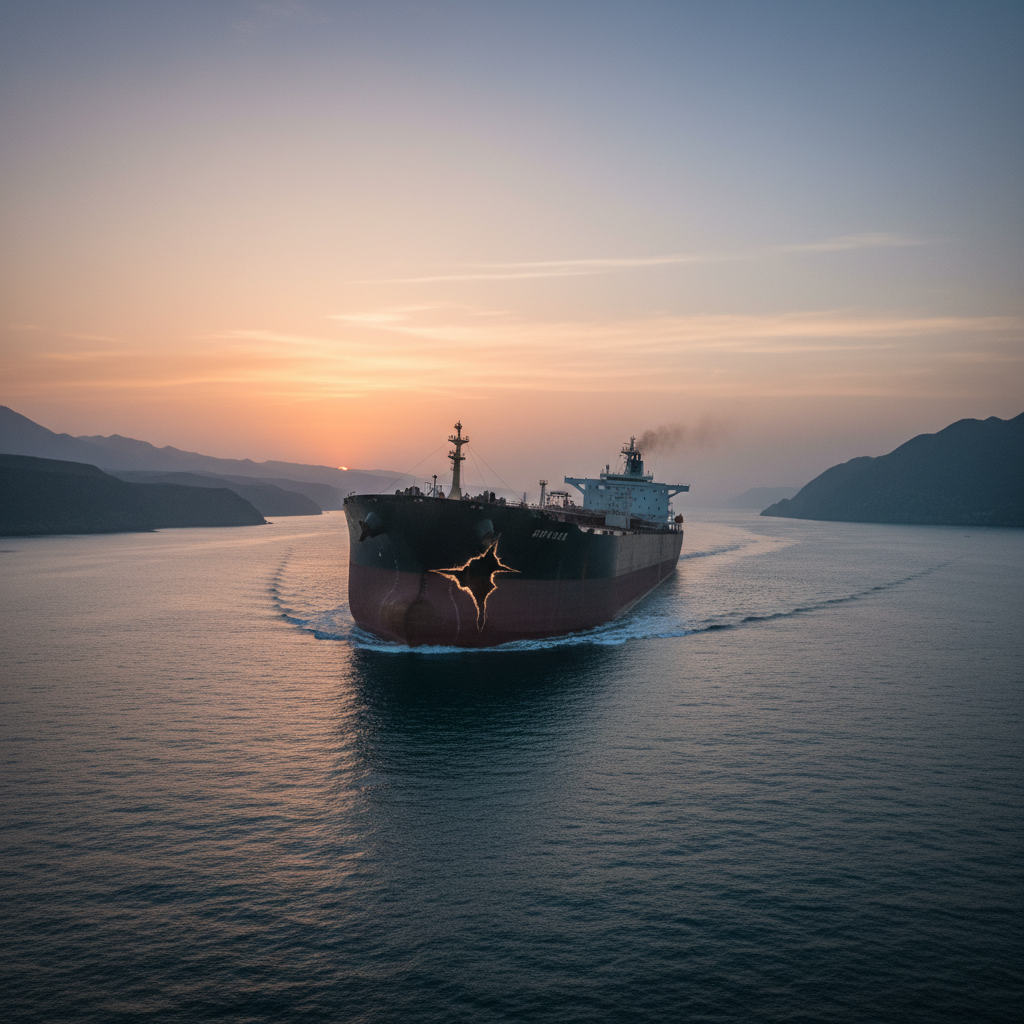
A recent incident involving a supertanker striking a naval mine in the Strait of Hormuz has sent ripples through the global energy and logistics sectors. This event, occurring on October 19, 2026, highlights the extreme vulnerability of critical maritime chokepoints to geopolitical risks, with immediate and far-reaching implications for crude oil shipments and broader supply chain stability.
Geopolitical Instability and Critical Maritime Chokepoints
The maritime incident involving a supertanker in the Strait of Hormuz on October 19, 2026, underscores the profound impact of geopolitical instability on global supply chains. The vessel, carrying approximately two million barrels of crude oil, reportedly struck a naval mine, an event that immediately elevates concerns about maritime security in one of the world's most vital shipping lanes. The Strait of Hormuz, a narrow waterway connecting the Persian Gulf with the Arabian Sea and beyond, is a critical chokepoint through which a significant portion of the world's oil supply transits daily. Any disruption here, whether due to accidental events or deliberate acts, has the potential to trigger widespread economic reverberations.
This incident is not merely an isolated shipping accident; it represents a tangible manifestation of geopolitical tensions impacting commercial trade. The deployment or presence of naval mines introduces an unpredictable and severe hazard to shipping, forcing carriers and insurers to reassess risk profiles for transiting the region. Such events inevitably lead to increased operational costs, longer transit times due to rerouting or heightened security measures, and potentially higher insurance premiums, all of which ultimately translate into higher costs for consumers and greater complexity for supply chain managers.
Immediate Impact on Energy Supply Lanes
The immediate and most direct consequence of the supertanker incident is the disruption to the global energy supply chain. With a single vessel carrying two million barrels of crude oil being compromised, the implications for oil markets are substantial. The Strait of Hormuz is indispensable for the export of crude oil from major producing nations in the Middle East. A significant incident like this can lead to immediate concerns about the continuity of supply, potentially driving up crude oil prices and increasing volatility in energy markets.
Beyond the immediate loss of cargo, the incident could prompt a re-evaluation of shipping routes and security protocols for all vessels traversing the Strait. Tanker operators may face pressure to implement enhanced security measures, potentially including escort services or stricter navigation guidelines, which add to operational overhead. Some shippers might explore alternative, albeit longer and more expensive, routes to bypass the perceived risk in the Strait, further straining capacity on other lanes and increasing overall transit times for crude oil deliveries to refining facilities worldwide. This shift could impact the availability and pricing of refined products, affecting industries reliant on petroleum derivatives.
Broader Repercussions for Global Trade and Infrastructure
The ramifications of the Strait of Hormuz incident extend beyond just crude oil. While the primary cargo affected is oil, the heightened risk perception can impact all maritime traffic passing through the chokepoint. This includes container ships, bulk carriers, and other vessels transporting a vast array of goods to and from the region. Increased uncertainty and security concerns can lead to delays, diversions, and higher shipping costs across multiple commodity types.
Ports and refining facilities that are heavily dependent on regular crude oil shipments via the Strait of Hormuz will feel the direct impact. Refineries, especially those operating on just-in-time inventory models, could face supply shortages, leading to reduced output or even temporary shutdowns. This ripple effect can then extend to manufacturing sectors that rely on these refined products as raw materials. Furthermore, the incident could trigger a reassessment of energy security strategies globally, prompting nations to consider diversifying their energy sources or investing more heavily in strategic petroleum reserves.
Strategic Adaptations for Shippers and Supply Chain Resilience
In the face of such geopolitical disruptions, shippers must adopt proactive strategies to build resilience into their supply chains. The first step involves a thorough risk assessment of all critical lanes and chokepoints, identifying potential vulnerabilities to geopolitical events, natural disasters, or other unforeseen incidents. Diversification of sourcing and shipping routes becomes paramount. While the Strait of Hormuz is unavoidable for much of the Middle Eastern oil, exploring alternative suppliers or building buffer stock can mitigate the immediate impact of disruptions.
For cargo that must transit high-risk areas, enhanced insurance coverage and rigorous security protocols are essential. Engaging with carriers that demonstrate robust risk management capabilities and have contingency plans in place is crucial. Furthermore, developing strong relationships with multiple logistics providers can offer flexibility for rerouting or adjusting transport modes when primary lanes become compromised. The ability to quickly pivot and adapt is a hallmark of a resilient supply chain.
The Role of Advanced Visibility in Crisis Response
This is precisely where a shipment-visibility control tower like MGS becomes indispensable. In a rapidly evolving crisis such as the supertanker incident, real-time, end-to-end visibility across the entire supply chain is critical. MGS can provide immediate alerts regarding vessel status, location, and potential delays, allowing shippers to understand which specific shipments are affected by the Strait of Hormuz disruption. This includes identifying vessels currently transiting the area, those approaching, and those scheduled to depart from affected ports.
With MGS, supply chain analysts can quickly assess the impact on their inventory, customer commitments, and production schedules. The platform's ability to integrate data from various sources – including satellite tracking, port updates, and geopolitical risk intelligence – offers a comprehensive operational picture. This enables informed decision-making, such as initiating reroutes, communicating proactively with customers about potential delays, or activating contingency plans for alternative sourcing or expedited shipping. In a volatile environment where minutes can mean millions, advanced visibility transforms reactive crisis management into proactive risk mitigation, safeguarding both cargo and reputation.
Source: Marine Insight — https://www.marineinsight.com/supertanker-with-2-million-barrels-of-oil-explodes-after-hitting-naval-mine-in-hormuz/?utm_source=rss&utm_medium=rss&utm_campaign=supertanker-with-2-million-barrels-of-oil-explodes-after-hitting-naval-mine-in-hormuz