
Geopolitical Fault Lines: The Unpredictable Reshaping of Global Cargo Movement
Geopolitical tensions are increasingly dictating the flow of global trade, transforming established routes, impacting waterways and airspace, and introducing new barriers through tariffs and sanctions. This brief explores the tangible consequences for supply chains and highlights how real-time visibility platforms like MGS are crucial for resilience.
The Evolving Landscape of Geopolitical Risk for Global Trade
The global supply chain, once optimized for efficiency and cost-effectiveness, now operates under a constant shadow of geopolitical volatility. From regional conflicts to shifting international alliances, these events are no longer isolated incidents but systemic disruptors that fundamentally alter the pathways of global commerce. For businesses relying on predictable cargo movement, understanding and adapting to this new reality is paramount. The consequences extend far beyond immediate operational challenges, impacting trade relationships, economic stability, and ultimately, consumer prices. This brief delves into how geopolitical fault lines are manifesting across key aspects of cargo movement – waterways, airspace, and trade policy – and the critical role of advanced visibility in navigating this complex environment.
Maritime Chokepoints and the Illusion of Security
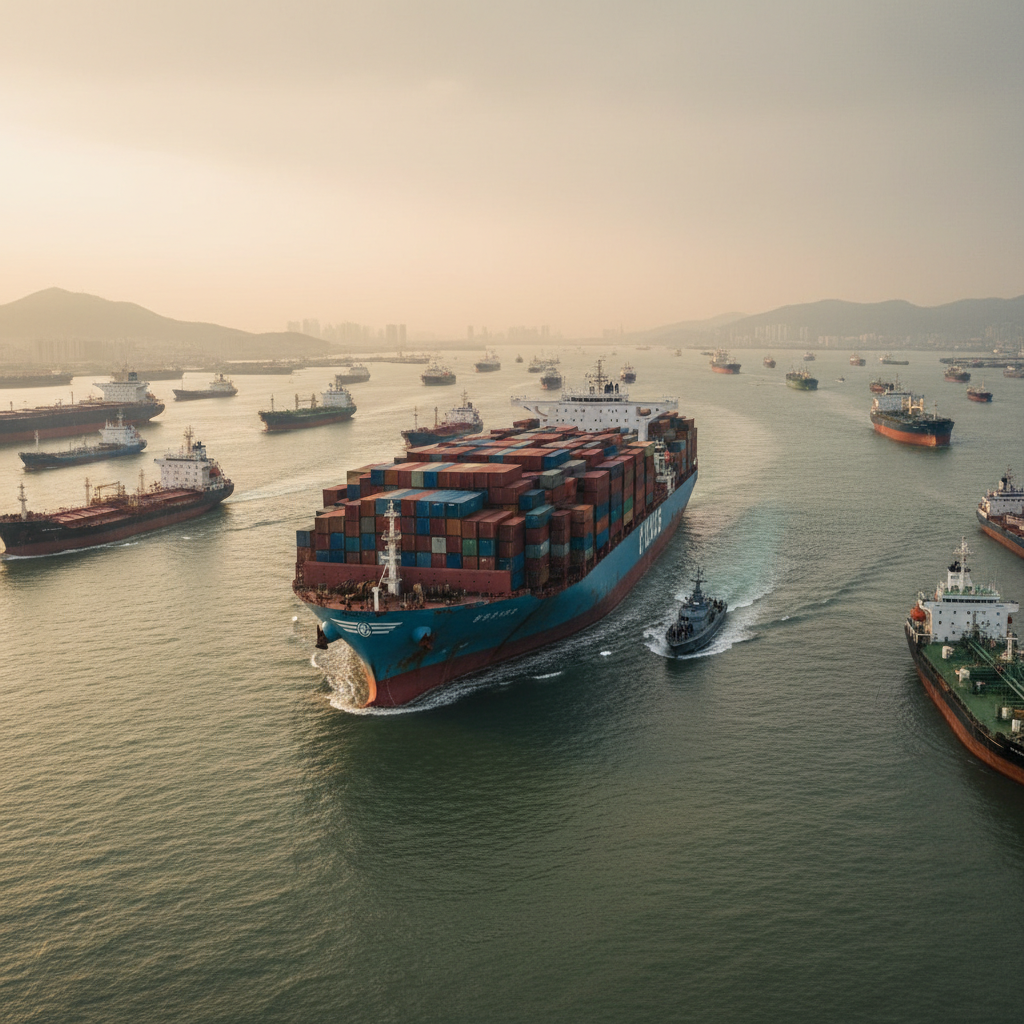
Waterways, particularly strategic chokepoints, are often at the forefront of geopolitical tensions. While official declarations might assert control over critical maritime passages, the reality on the ground, or rather, on the water, frequently tells a different story. The perceived security of such routes can be deceptive. Incidents of aggression, even if isolated, create a ripple effect that destabilizes the entire ecosystem of maritime transport. This manifests in several ways: a surge in insurance premiums for vessels traversing these areas, reflecting the heightened risk; increased congestion as ships exercise caution or face delays due to security protocols; and ultimately, a re-evaluation of established shipping lanes. The economic implications are significant, driving up freight costs and extending transit times for goods moving through these vital arteries. The cumulative effect is a less efficient, more expensive, and less reliable global maritime network, forcing shippers to weigh the costs of longer, safer routes against the risks of shorter, more volatile ones.
Airspace Contention and Its Impact on Air Cargo
Just as maritime routes are affected, airspace has become another casualty of geopolitical friction. Sovereign airspace restrictions, either imposed due to direct conflict or as retaliatory measures, force commercial air cargo carriers to undertake significant detours. These diversions are not merely minor inconveniences; they translate directly into longer flight times, increased fuel consumption, and higher operational costs. For time-sensitive cargo, such as pharmaceuticals, electronics, or perishable goods, these delays can have critical implications, potentially impacting product integrity and market delivery schedules. Furthermore, the rerouting of flights can strain airport infrastructure in alternative hubs, leading to additional ground delays and congestion. The cumulative effect is a more fragmented and less predictable global air freight network, where efficiency is often sacrificed for safety and compliance with rapidly changing geopolitical boundaries.
Tariffs, Sanctions, and the Re-routing of Global Commerce
Beyond physical routes, geopolitical events profoundly influence trade through policy instruments like tariffs and sanctions. These measures, often imposed unilaterally or multilaterally, act as significant non-tariff barriers, directly impacting the economic viability of specific trade lanes and product categories. Tariffs increase the cost of imported goods, potentially rendering them uncompetitive and forcing businesses to seek alternative sourcing or manufacturing locations. Sanctions, on the other hand, can completely sever trade ties with specific regions or entities, necessitating a complete overhaul of supply chain networks. The result is a complex web of compliance challenges, increased administrative burdens, and a fundamental reshaping of global trade flows. Companies must constantly monitor evolving trade policies, adapt their sourcing strategies, and often re-route goods through third countries to circumvent restrictions, adding layers of complexity and cost to their operations.
Economic Repercussions and the Imperative for Adaptability
The combined impact of these disruptions – compromised waterways, restricted airspace, and trade barriers – creates a cascading effect across the global economy. Increased transit times and higher freight costs contribute to inflationary pressures, impacting consumer purchasing power. Supply chain instability can lead to stockouts, production delays, and reduced competitiveness for businesses. Furthermore, the uncertainty inherent in a geopolitically volatile world discourages long-term investment in certain regions, shifting capital and manufacturing capabilities to perceived safer havens. For businesses, the imperative is clear: adaptability is no longer a strategic advantage but a fundamental requirement for survival. This demands a proactive approach to risk management, diversified sourcing strategies, and a robust understanding of real-time supply chain dynamics.
Leveraging Shipment Visibility for Proactive Resilience
In this era of unprecedented geopolitical disruption, a sophisticated shipment-visibility control tower platform, such as MGS, becomes indispensable. Such a platform provides real-time, end-to-end visibility across all modes of transport, allowing businesses to immediately detect and respond to disruptions. When a maritime route becomes compromised due to security concerns or congestion, MGS can alert stakeholders to potential delays and suggest alternative routes or transport modes. In the event of airspace closures, the platform can track rerouted flights and provide updated estimated times of arrival. For tariffs and sanctions, MGS can help monitor compliance by providing data on origin, destination, and transit points, flagging potential violations. By aggregating data from various sources – carriers, ports, customs, and geopolitical intelligence feeds – a control tower empowers supply chain managers to make informed decisions, reroute shipments proactively, adjust inventory levels, and communicate transparently with customers, thereby mitigating the financial and reputational damage caused by unforeseen geopolitical events.
Navigating a Fractured Future
The landscape of global cargo movement is irreversibly shaped by geopolitical forces. The days of uninterrupted, purely cost-optimized supply chains are largely behind us. Businesses must now operate with an acute awareness of external risks, understanding that political stability and security directly correlate with supply chain reliability. The ongoing challenges in critical waterways, the shifting dynamics of global airspace, and the proliferation of trade barriers demand a new paradigm for supply chain management. By embracing advanced technologies like shipment-visibility control towers, companies can transform potential crises into manageable challenges, ensuring the continuity and resilience of their global trade operations in an increasingly unpredictable world.
Source: Container News — https://container-news.com/why-control-of-hormuz-is-not-the-same-as-security/