
Escalating Maritime Risks: Navigating Supply Chain Volatility in the Persian Gulf
Recent maritime security warnings highlight persistent dangers for commercial shipping in the Middle East, with a tanker disabled by a projectile in the Strait of Hormuz. This incident underscores the critical need for supply chain resilience and real-time visibility in navigating geopolitical flashpoints.
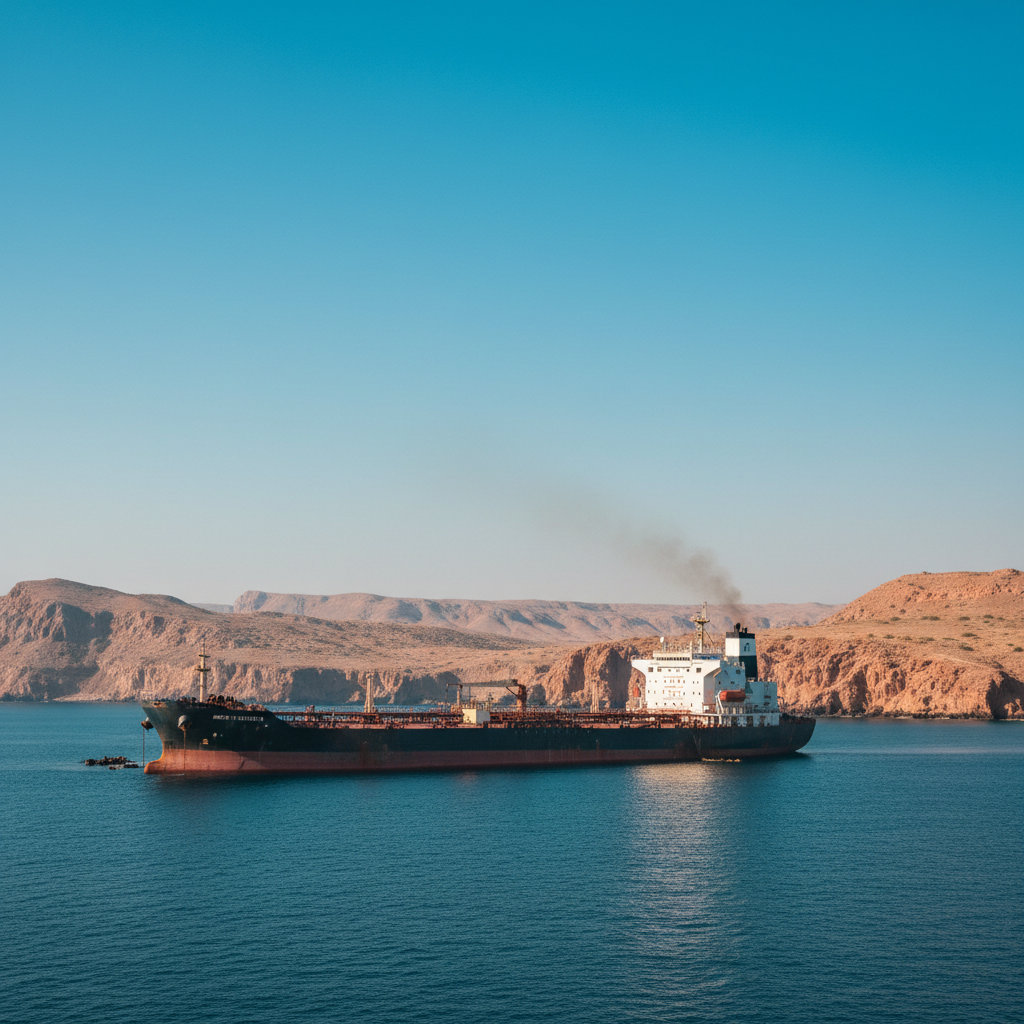
Escalating Maritime Security Risks
The global supply chain faces continuous pressure from a myriad of factors, and geopolitical instability remains a potent force disrupting established trade routes. Recent intelligence, specifically two new maritime security warnings issued on Monday, confirms an alarming trend of heightened danger for commercial shipping operating in the Middle East. The confirmed disabling of a tanker by a projectile in the Strait of Hormuz, alongside reports of another vessel on fire in the Persian Gulf, serves as a stark reminder of the volatile environment in these critical waterways. These incidents are not isolated events but rather indicators of ongoing, significant threats that demand immediate attention from shippers and logistics professionals.
Such acts of aggression introduce unpredictable variables into maritime operations, forcing a re-evaluation of risk profiles for vessels, cargo, and personnel. The nature of these attacks, involving projectiles, suggests a deliberate targeting of commercial assets, moving beyond general piracy or accidental encounters. For supply chain analysts, this translates into a heightened need for proactive monitoring and agile response mechanisms. The ripple effects extend far beyond the immediate damage to a single vessel, impacting insurance premiums, crew willingness to sail, and the overall perception of security in a region vital to global commerce.
Critical Chokepoints Under Pressure
The Strait of Hormuz is arguably one of the most strategically important maritime chokepoints in the world. Connecting the Persian Gulf with the Arabian Sea and the open ocean, it is the sole sea passage from the Persian Gulf to the open sea and is a conduit for a substantial portion of the world's seaborne oil and liquefied natural gas (LNG). The recent incident involving a disabled tanker by a projectile directly within this strait immediately raises concerns about the free flow of goods through this narrow waterway.
Disruptions here have global ramifications, affecting not only the energy sector but also the movement of a wide array of other commodities and manufactured goods. The Persian Gulf, bordered by major oil-producing nations, relies heavily on this strait for its exports and imports. Facilities within and around the Gulf, including major oil terminals, container ports, and industrial complexes, become inherently vulnerable when security is compromised in this critical artery. Any impediment to transit, whether due to direct attacks, increased naval presence, or heightened security protocols, can lead to significant delays, diversions, and increased operational costs. Shippers utilizing routes through this region must recognize the inherent and escalating risks associated with these vital but exposed lanes.
Direct Impacts on Shipping and Global Trade
The immediate and most obvious impact of incidents like a tanker being disabled by a projectile falls on the shipping mode itself, particularly crude oil and product tankers. These vessels, often carrying high-value and strategically important cargo, become primary targets or collateral damage in geopolitical skirmishes. The disabling of a tanker can lead to environmental hazards, cargo loss, and substantial financial liabilities for owners and insurers. Beyond the direct physical damage, the psychological impact on crews and the operational challenges of salvage and repair further complicate matters.
However, the effects extend far beyond the immediate vessels involved. Increased security threats typically lead to higher insurance premiums for vessels transiting the region, adding significant costs to freight rates. Shipowners may opt for longer, alternative routes, such as circumnavigating Africa, to avoid the perceived risks of the Suez Canal and Red Sea approaches to the Persian Gulf. This adds considerable transit time, fuel consumption, and operational expenses, ultimately impacting delivery schedules and consumer prices. Furthermore, the uncertainty generated by such events can cause commodity markets to react, leading to price volatility for oil, gas, and other goods reliant on these shipping lanes. The broader implication is a disruption to just-in-time supply chains, inventory management challenges, and potential shortages in destination markets.
Strategic Responses for Shippers
In an environment of escalating maritime security risks, shippers must adopt robust strategies to mitigate potential disruptions. The first step involves enhanced risk assessment and scenario planning. Understanding the geopolitical landscape and identifying alternative routes or modes of transport becomes paramount. While rerouting around the entire Middle East may be impractical for many, exploring options for transshipment or utilizing multi-modal solutions where feasible can reduce exposure. For instance, cargo destined for the region might be offloaded at safer, nearby ports and transported via land where appropriate, though this introduces its own set of logistical complexities.
Diversifying carrier relationships and securing flexible contracts that allow for route changes or contingency plans are also crucial. Building stronger relationships with freight forwarders who possess deep regional expertise and a network of alternative solutions can provide invaluable support. Furthermore, shippers should review their cargo insurance policies to ensure adequate coverage for war risks, piracy, and other geopolitical events. Maintaining buffer stock levels for critical goods that frequently transit high-risk areas can also help absorb short-term disruptions, preventing immediate stockouts and production delays. Proactive communication with all supply chain partners – from suppliers to carriers to customers – is essential to manage expectations and coordinate responses effectively during times of crisis.
Leveraging Visibility for Proactive Risk Management
In the face of unpredictable geopolitical events, a shipment-visibility control tower platform like MGS becomes an indispensable tool for supply chain resilience. Real-time, end-to-end visibility across all modes and lanes allows shippers to immediately identify cargo that is either directly impacted or at risk due to incidents such as the recent attacks in the Strait of Hormuz. By integrating vessel tracking data, port status updates, and geopolitical intelligence feeds, MGS can provide instant alerts when a vessel enters or is near a newly designated high-risk area.
This immediate insight enables supply chain teams to make rapid, informed decisions. For example, if a vessel is en route to the Strait of Hormuz and new security warnings are issued, the MGS platform can highlight this, allowing for a proactive decision to reroute the vessel before it enters the danger zone, or to hold it at a safe distance. Furthermore, the platform's predictive analytics can model the impact of potential delays or diversions on estimated times of arrival (ETAs) and inventory levels, facilitating better planning for downstream operations. By offering a consolidated view of global shipments and the contextual risks surrounding them, MGS empowers shippers to move from reactive crisis management to proactive risk mitigation, safeguarding cargo, maintaining schedules, and protecting their bottom line against the volatility of global events.
Source: gCaptain — https://gcaptain.com/tanker-disabled-in-strait-of-hormuz-attack-another-vessel-reported-on-fire-in-persian-gulf/