
DHL Supply Chain Grapples with Continuous Demand as Peak Season Blurs
The traditional, predictable peak season is dissolving into a landscape of continuous, unpredictable demand spikes. This shift challenges warehouse robotics and forces supply chain managers, shippers, and forwarders to rethink operational strategies and investment in automation.
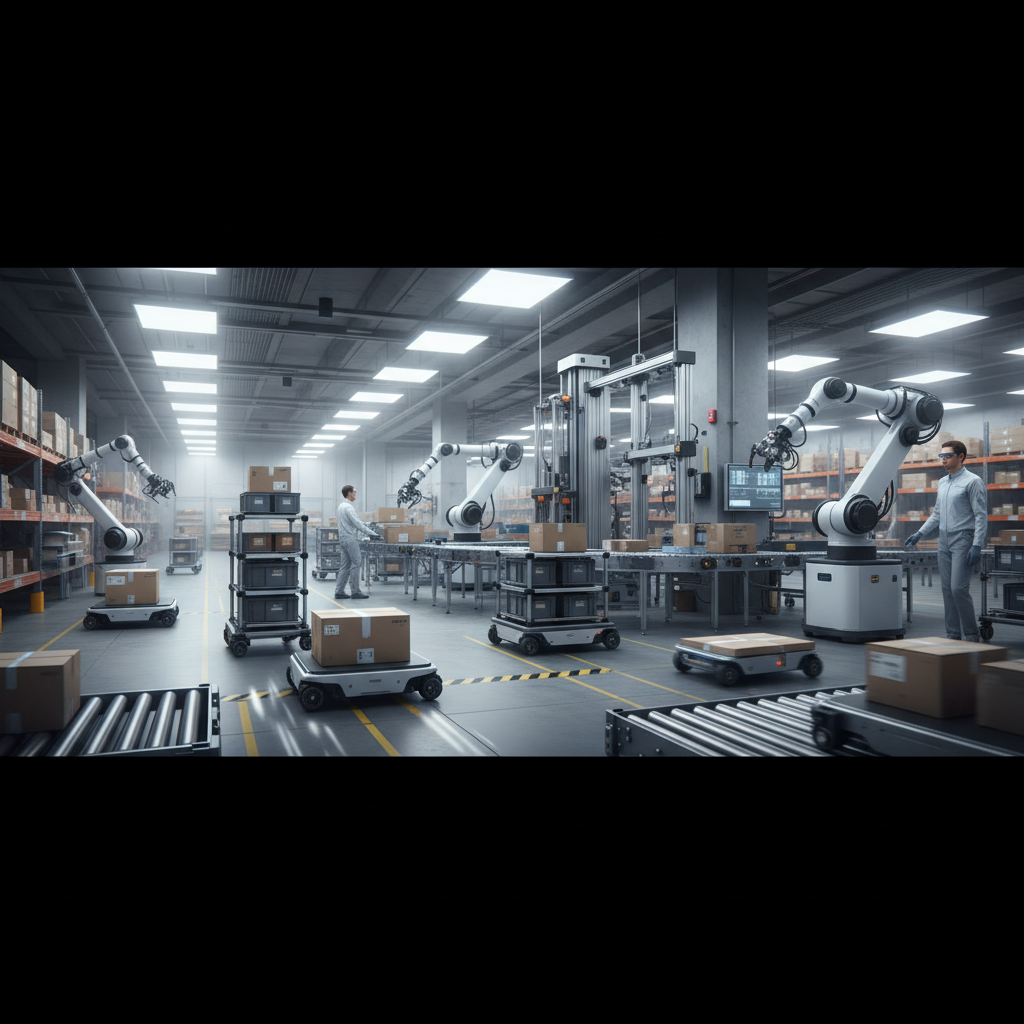
The familiar rhythm of the supply chain, marked by a distinct, intense peak season around major holidays, is rapidly becoming a relic of the past. For decades, logistics operators could anticipate the annual surge, strategically deploying temporary labor, expanding shifts, and pre-positioning inventory and transport capacity for a few frantic weeks. This model, however, is increasingly unreliable. The proliferation of frequent promotions, flash sales, and evolving consumer purchasing habits has fragmented demand, transforming the concentrated 'peak' into a more diffuse, continuous flow of elevated activity. This fundamental shift presents significant operational and financial challenges for global supply chains, particularly for major players like DHL Supply Chain, who must now re-evaluate how their infrastructure, especially warehouse robotics, can flex fast enough to meet this new reality.
The Fading Predictability of Seasonal Demand
The traditional peak season was a strategic anchor for global supply chain planning. Manufacturers could ramp up production, shippers could book long-term freight contracts, and distribution centers (DCs) could staff up with seasonal workers, all in anticipation of a well-defined period of heightened demand. This predictability allowed for optimized resource allocation and cost management. However, the modern retail environment, characterized by frequent promotional cycles and the 'always-on' nature of e-commerce, has eroded this clear distinction. Demand spikes are no longer confined to a single calendar window; they can occur at any time, driven by marketing campaigns, social media trends, or even unforeseen events. This constant variability fundamentally impacts global supply chain flows and capacity. Routes and modes of transport, once optimized for predictable, large-volume movements to central hubs, now require greater agility to serve a more distributed and dynamic fulfillment network. Inventory positioning becomes a critical strategic decision, balancing the cost of holding stock against the risk of stockouts during unpredictable surges. The ability to quickly scale up or down, not just once a year but continuously, is now a crucial operational differentiator, affecting everything from port congestion to last-mile delivery efficiency.
Warehouse Automation Faces New Agility Demands
The question of whether warehouse robotics can flex fast enough lies at the heart of adapting to this new demand landscape. Early generations of warehouse automation were often designed for high-volume, repetitive tasks within a relatively stable operational framework. Their primary benefit was efficiency and throughput at scale. However, the 'perpetual peak' environment demands more than just raw speed; it requires dynamic flexibility. Robotics systems must be capable of quickly adapting to changing product mixes, varying order profiles, and fluctuating daily volumes. This means automation solutions need to be modular, easily reconfigurable, and capable of collaborative work with human operators. The challenge extends beyond the hardware; the software and artificial intelligence driving these systems must be sophisticated enough to optimize workflows in real-time, learning from unpredictable demand patterns and adjusting resource allocation accordingly. For global supply chains, the inability of warehouse automation to adapt quickly translates directly into bottlenecks, delayed shipments, and increased operational costs, ultimately impacting the speed and reliability of global trade. Investment in robotics that prioritizes adaptability and scalability over sheer capacity becomes a strategic imperative.
Financial Repercussions for Logistics Stakeholders
The shift to continuous, unpredictable demand carries significant global financial implications for all supply chain stakeholders. For shippers, the blurring of peak season can lead to higher logistics costs. Less predictable volumes make it harder to negotiate favorable long-term freight rates, potentially increasing reliance on spot markets. Inventory management becomes a delicate balancing act; holding higher safety stock to mitigate unpredictable demand ties up capital, while lean inventory strategies risk lost sales if a sudden spike occurs. For forwarders and third-party logistics (3PL) providers like DHL Supply Chain, the financial pressure is multifaceted. They face increased operational expenses related to managing a more dynamic workforce, potentially requiring more skilled, permanent staff rather than easily scalable temporary labor. Furthermore, the significant capital investment required for flexible, intelligent automation systems represents a substantial financial commitment. The return on investment (ROI) for these technologies is now measured not just in efficiency gains during peak, but in the ability to maintain service levels and manage costs across a constantly fluctuating demand curve. The financial resilience of these operators will depend on their capacity to strategically invest in adaptable technologies and operational models that can absorb demand variability without incurring disproportionate costs, thereby impacting the overall cost of trade at large.
Continuous Adaptability is the New Standard
The traditional peak season is indeed over, replaced by a continuous cycle of demand variability that demands fundamental shifts in supply chain strategy and technology investment.
- Watch for new generations of robotic solutions explicitly designed for modularity and rapid reconfiguration.
- Observe how major 3PLs like DHL Supply Chain restructure their service offerings and pricing models to reflect continuous demand.
- Monitor the adoption rates of advanced demand forecasting and inventory optimization software among shippers.
- Track investment levels in flexible warehouse automation and the associated operational efficiency metrics reported by logistics providers.
Source: Logistics Viewpoints — https://logisticsviewpoints.com/2026/11/20/dhl-supply-chain-and-the-end-of-peak-season-can-warehouse-robotics-flex-fast-enough/