
Southeast Asian Port Congestion Drives Intra-Asia Rates Up, Shanghai-Manila Jumps 7%
Worsening bottlenecks at transhipment hubs in Southeast Asia are causing intra-Asia shipping rates to firm, even as congestion eases in China. Shippers face higher costs and longer transit times, impacting global supply chain predictability.
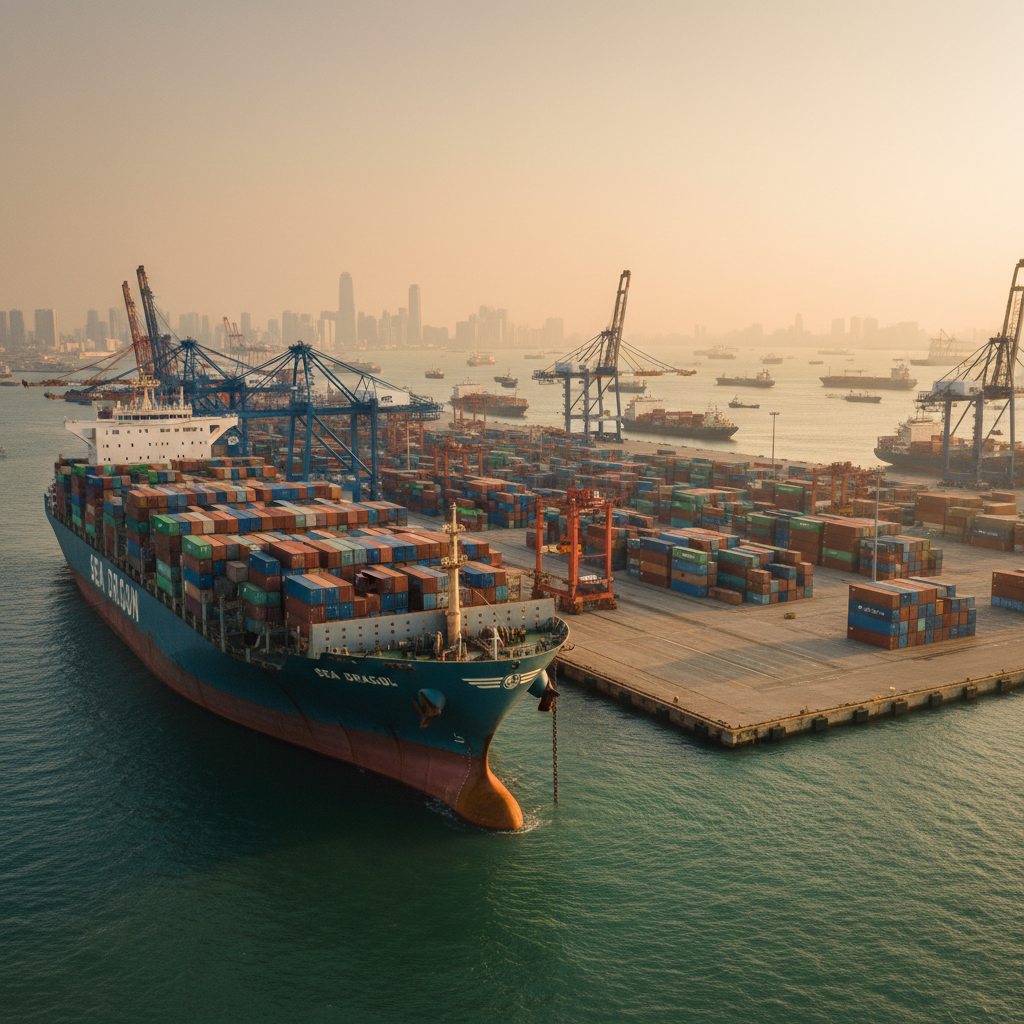
Southeast Asian Hubs Absorb Capacity, Drive Up Intra-Asia Rates
The dynamics of container shipping within Asia are undergoing a notable shift, with congestion points relocating from China to key transhipment hubs across Southeast Asia. While Chinese ports are experiencing an easing of bottlenecks, the intensifying pressure on Southeast Asian facilities is directly impacting intra-Asia trade lanes. This development has led to a firming of freight rates and an increase in vessel waiting times, signaling a tightening market for regional cargo movement.
Recent data illustrates this trend clearly. The Drewry’s Intra-Asia Container Index (IACI) saw an increase of $4 from November 12, reaching $1,444 per 40ft. Specific routes reflect this upward pressure: rates for the Shanghai-Manila corridor climbed by 7%, settling at $1,310 per 40ft, while the Shanghai-Laem Chabang route experienced a 2% rise, reaching $1,584 per 40ft. These rate adjustments are not isolated; they correlate directly with operational delays. Average vessel waiting times on the Shanghai-Manila route increased by four hours, and on the Shanghai-Laem Chabang route, waiting times extended by two hours. This direct relationship between increased waiting times and higher rates indicates that reduced effective capacity, caused by vessels idling at anchor, is a primary driver of the current market conditions.
Global Supply Chain Flows Face Feeder Network Disruptions
The intra-Asia shipping network serves as a critical feeder system for global trade. Cargo originating from or destined for major intercontinental routes, such as those connecting Asia with Europe or North America, frequently relies on these regional services to reach or depart from major deep-sea ports. Consequently, the worsening congestion at Southeast Asian transhipment hubs has implications far beyond regional trade.
Delays at these crucial transhipment points disrupt the intricate scheduling of global vessel rotations. Feeder vessels stuck waiting cannot deliver cargo to main line vessels on time, leading to missed connections for onward journeys. This can force deep-sea carriers to either wait, incurring additional costs and further delays, or to depart without their intended cargo, leaving containers stranded. The cascading effect of these disruptions diminishes overall schedule reliability across global supply chains. Shippers and forwarders face increased uncertainty regarding delivery times, complicating inventory management and production planning. Furthermore, the absorption of vessel capacity due to extended waiting periods effectively reduces the available shipping space in the market, potentially pushing up rates on other interconnected routes or requiring carriers to deploy additional, costly tonnage to maintain service levels.
Shippers Bear Rising Costs Amid Operational Strain
The financial ramifications of this regional congestion are significant, particularly for shippers. The direct impact is seen in the higher freight rates, as evidenced by the 7% increase on the Shanghai-Manila route and the 2% increase on the Shanghai-Laem Chabang route. These elevated shipping costs directly affect the landed cost of goods, potentially impacting consumer prices or eroding profit margins for businesses.
Beyond freight, extended vessel waiting times and port delays lead to increased demurrage and detention charges. Containers held longer at terminals or on vessels due to congestion incur daily fees, adding an unforeseen and substantial cost burden. Businesses also face higher inventory holding costs as goods spend more time in transit or awaiting transhipment, tying up working capital. For carriers, while firming rates offer some revenue upside, the operational costs associated with congestion are considerable. Fuel consumption increases during idle periods, and the need to recover schedules often involves speeding up vessels, which burns more fuel, or chartering additional ships, which adds significant expense. The overall operational efficiency of the intra-Asia network is compromised, creating a challenging environment for all participants and ultimately contributing to higher costs throughout the supply chain.
Persistent Regional Bottlenecks Drive Up Trade Costs
The current situation in intra-Asia shipping highlights a critical shift in regional pressure points. The easing of congestion in China has been offset by intensifying bottlenecks at Southeast Asian transhipment hubs, indicating a relocation of operational challenges rather than a resolution of underlying capacity issues. This dynamic directly translates into higher freight rates and extended transit times for cargo moving through these vital regional arteries. The financial burden falls squarely on shippers, who face increased costs and heightened supply chain uncertainty, while carriers grapple with elevated operational expenses despite firming rates. The continued strain on key regional transhipment infrastructure poses an ongoing challenge to the predictability and cost-effectiveness of global trade flows.
Source: The Loadstar — https://theloadstar.com/congestion-at-transhipment-hubs-keeps-intra-asia-rates-firm/