
Three Tankers Attacked in Strait of Hormuz Over Two Days
Attacks on three VLCCs in the Strait of Hormuz raise immediate concerns for global oil supply and broader maritime security, impacting shipping lanes and costs.
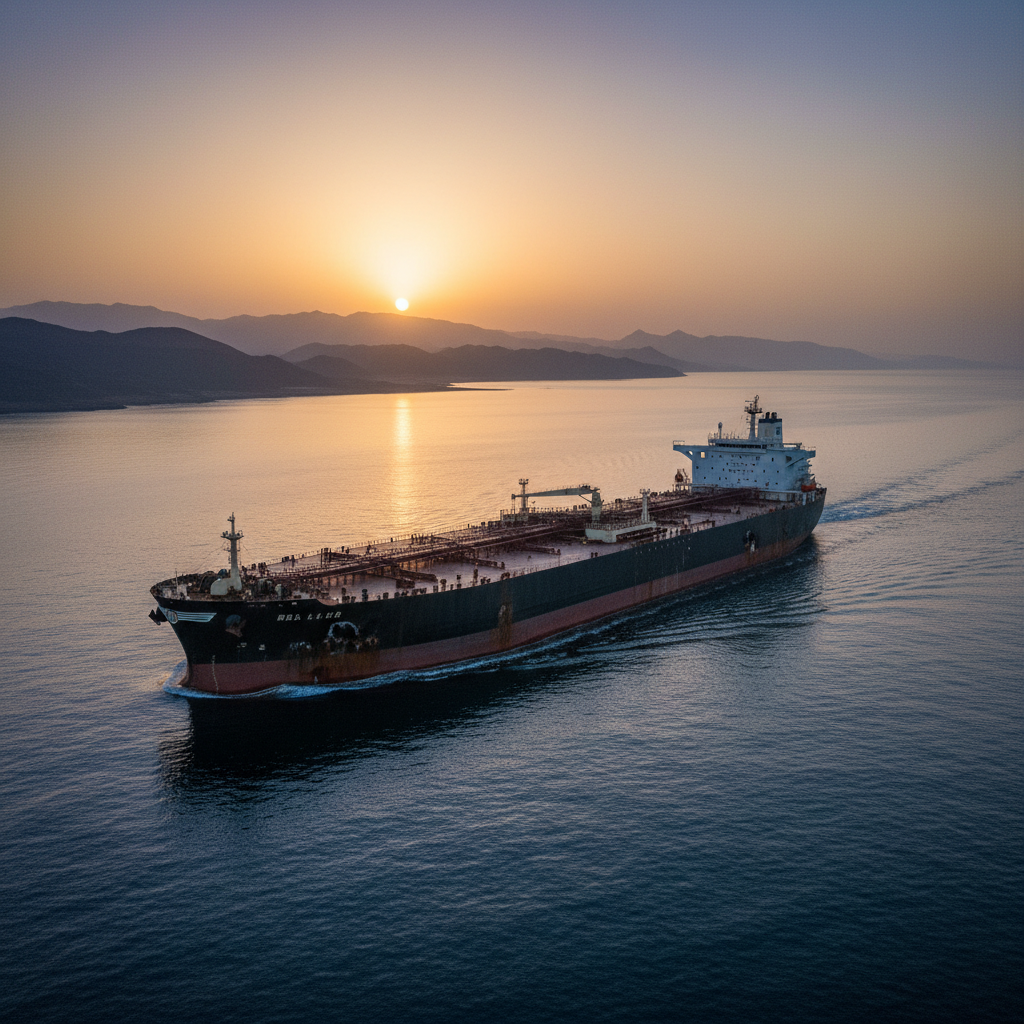
Three VLCCs Struck in Hormuz Signals Escalation
Maritime security in the Strait of Hormuz has seen a marked deterioration following reports of at least three Very Large Crude Carriers (VLCCs) being hit by suspected Iranian attacks. These incidents occurred over a concentrated period of two days, specifically Tuesday and Wednesday, according to UK Maritime Trade Operations. The targeting of VLCCs, vessels designed for transporting vast quantities of crude oil, immediately raises alarms for global energy markets and the broader supply chain.
The Strait of Hormuz is a narrow, yet globally essential, waterway. It serves as the sole maritime passage from the Persian Gulf to the open ocean, making it a chokepoint for a substantial portion of the world's oil supply. Countries like Saudi Arabia, the United Arab Emirates, Kuwait, Iraq, Qatar, and Iran rely on this passage for their oil and gas exports. Any disruption here has immediate and far-reaching consequences for international trade and energy prices. The nature of these attacks, targeting multiple large vessels within a short timeframe, suggests a deliberate escalation of tensions, moving beyond isolated incidents to a more concerted pattern of aggression.
Oil Flows and Tanker Operations Face Heightened Risk
The direct targeting of VLCCs has immediate implications for the movement of crude oil and refined petroleum products. Tanker operators are now confronted with an elevated risk environment. This translates directly into increased operational costs, primarily through soaring insurance premiums. War risk insurance surcharges for vessels transiting the Strait of Hormuz typically rise sharply following such incidents, adding thousands, if not hundreds of thousands, of dollars to each voyage. These additional costs are ultimately passed down the supply chain, affecting the price of oil and, consequently, bunker fuel for all shipping.
Beyond financial costs, operators may implement enhanced security measures, such as hiring armed guards or increasing vessel speeds through the Strait, both of which add to expenses and can impact scheduling. Some operators might even consider rerouting vessels around the Arabian Peninsula, a much longer journey that bypasses the Strait entirely. Such rerouting adds weeks to transit times, significantly increases fuel consumption, and reduces the overall availability of tanker capacity in the global fleet. This reduction in available capacity can lead to higher freight rates for oil transportation, further impacting global energy costs and potentially causing delays in crude oil deliveries to refineries worldwide.
Broader Cargo Movement Feels Ripple Effects
While VLCCs are specialized for oil transport, the instability created by these attacks extends beyond the energy sector. The Strait of Hormuz is a shared waterway for all types of commercial shipping, including container vessels, bulk carriers, and general cargo ships. Heightened security alerts and the general perception of increased risk in the Middle East Gulf region can affect all maritime traffic. Container lines, though not directly targeted in this specific incident, operate within the same geopolitical context. They may face increased insurance costs, longer transit times due to security protocols, or even potential delays if naval escorts become necessary or if port operations in the region are affected by security concerns.
The ripple effects extend to air cargo as well. While not directly traversing sea lanes, regional instability can impact overflight permissions, air traffic control, and airport security in surrounding countries, potentially causing delays or rerouting for air freight. Furthermore, the inevitable increase in bunker fuel prices, driven by oil market volatility, will affect all modes of transport. Higher fuel costs translate into increased operational expenses for ocean carriers, airlines, trucking companies, and rail operators, leading to higher freight rates across the board. Shippers should anticipate potential surcharges and longer lead times for goods originating from or destined for the broader Middle East region, as well as for global supply chains reliant on stable energy prices.
Shippers Must Re-evaluate Middle East Gulf Exposure
In light of these attacks, shippers must conduct a thorough re-evaluation of their supply chain exposure to the Middle East Gulf. The first step involves identifying all inbound raw materials, components, and finished goods, as well as outbound products, that either originate from, are destined for, or transit through the Strait of Hormuz. Understanding the specific vulnerabilities within their network is paramount.
Engaging proactively with freight forwarders and carriers is essential. Shippers need to inquire about current security protocols, any new war risk surcharges being applied, and the contingency plans in place for potential rerouting or delays. This communication should aim to gain clarity on how these increased costs and operational changes will impact their specific shipments. Furthermore, a careful review of existing shipping contracts is advisable. Shippers should examine clauses related to war risk, force majeure, and demurrage to understand their liabilities and recourse in the event of further disruptions. Considering alternative sourcing or routing options, even if they present higher costs or longer lead times, may become a necessary risk mitigation strategy for particularly sensitive or high-value cargo. Finally, adjusting inventory levels for goods reliant on this region to build a buffer against potential transit delays or supply interruptions can help maintain operational continuity.
Hormuz Attacks Demand Immediate Supply Chain Review
The recent attacks on three VLCCs in the Strait of Hormuz signal a significant escalation of risk for all cargo moving through this essential waterway.
- Assess current supply chain exposure to the Middle East Gulf, identifying all inbound and outbound cargo reliant on the Strait of Hormuz.
- Engage with carriers and forwarders to understand current security protocols, insurance surcharges, and contingency plans for potential rerouting.
- Review existing contracts for war risk clauses and force majeure provisions to clarify cost responsibilities in case of further disruption.
- Consider adjusting inventory levels for critical goods to build a buffer against potential transit delays or supply interruptions.
Source: The Maritime Executive — https://maritime-executive.com/article/three-tankers-attacked-in-two-days-in-strait-of-hormuz-crisis