
When Waterways Turn Volatile: Geopolitical Events Reshaping Cargo Movement
Geopolitical instability, exemplified by recent vessel attacks in critical maritime zones, profoundly impacts global cargo movement. This brief analyzes how such events disrupt established routes, introduce volatility into freight markets, and necessitate advanced shipment visibility for resilient supply chains.
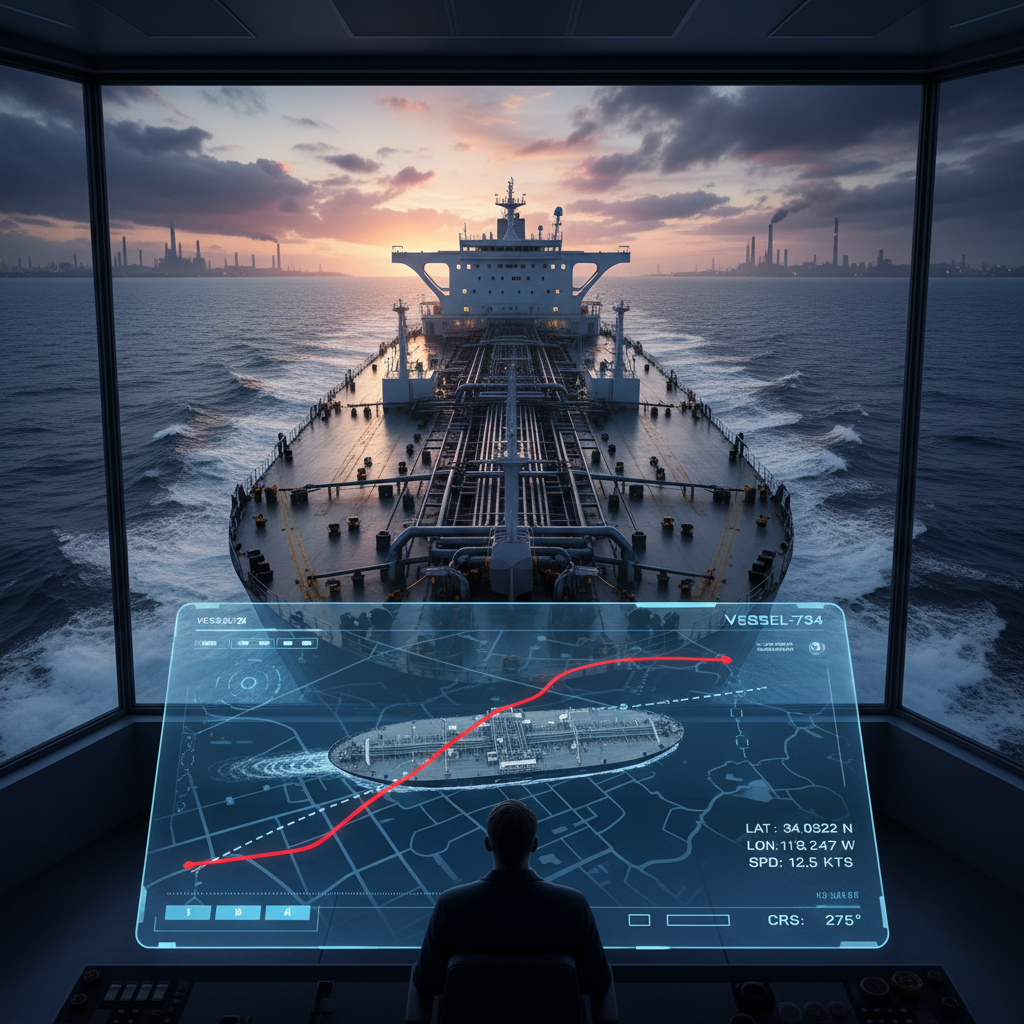
Geopolitical dynamics are increasingly becoming a primary driver of disruption across global supply chains. For an MGS shipment-visibility control tower, understanding these complex interdependencies is crucial. Recent events, such as a wave of attacks on vessels in the Middle East, serve as a stark reminder of how quickly established trade arteries can be compromised, leading to significant consequences for cargo movement, freight economics, and overall trade stability.
The intricate web of global commerce relies heavily on predictable and secure transit routes. When these routes are threatened by geopolitical actions, the ripple effects are immediate and far-reaching, demanding an agile and informed response from logistics professionals and supply chain managers worldwide. The ability to anticipate, react to, and mitigate these disruptions is paramount for maintaining operational continuity and safeguarding trade flows.
Geopolitical Instability and Maritime Commerce
The recent surge in geopolitical tensions, particularly a wave of attacks targeting vessels in the Middle East, has cast a long shadow over maritime commerce. This region, a critical nexus for global energy and trade flows, immediately transforms from a strategic passage to a zone of heightened risk. Such incidents inject profound uncertainty into shipping operations, forcing carriers and shippers to re-evaluate the safety and viability of established routes. The immediate consequence is an elevated risk profile for vessels transiting these areas, leading to increased insurance premiums, potential crew reluctance, and a general reluctance to operate in perceived danger zones. This direct threat to physical assets and personnel underscores the fragility of global supply lines when confronted with deliberate acts of aggression or instability.
Navigational Hazards and Route Repercussions
Direct attacks on vessels in vital waterways necessitate immediate and often drastic changes to navigational strategies. The primary response to such hazards is frequently rerouting. For supertankers and other cargo vessels, this can mean abandoning the most direct and economically efficient paths in favor of longer, safer alternatives. For instance, bypassing a high-risk strait might require circumnavigating an entire continent, significantly extending transit times. This not only adds thousands of nautical miles to a journey but also consumes substantially more fuel, driving up operational costs. The cumulative effect of these extended routes is a reduction in overall shipping capacity, as vessels are tied up for longer periods, and an increase in lead times for goods reaching their destination. The predictability of delivery schedules, a cornerstone of modern supply chain management, is severely undermined, creating a cascade of delays and potential inventory imbalances further down the chain. An MGS control tower, in such scenarios, becomes indispensable for identifying affected shipments, calculating new estimated times of arrival (ETAs) based on rerouted paths, and providing real-time visibility into these extended journeys.
Volatility in Freight Markets and Demand Shifts
The immediate aftermath of geopolitical disruptions often sees a dramatic surge in freight rates, as evidenced by supertanker rates reaching record highs following the initial wave of attacks. This spike is a direct reflection of increased risk premiums, higher operational costs due to rerouting, and a temporary tightening of available capacity. Shippers, desperate to move their goods, are willing to pay more for the perceived security or expedited transit. However, this initial peak can be followed by a market correction, as observed when supertanker rates fell this week from their record highs. This easing of rates, coupled with an 'eased demand,' suggests a complex market adjustment. It could indicate that some shippers have successfully implemented alternative strategies, such as securing vessels on new routes, or that the initial panic has subsided as the market adapts to the 'new normal' of heightened risk. Alternatively, eased demand might reflect a broader reluctance from buyers to commit to purchases from or through the affected region, leading to a temporary reduction in overall shipping volume. This dynamic interplay between risk, capacity, and demand creates extreme volatility, making long-term forecasting and contract negotiation exceptionally challenging for all parties involved in global trade.
Supply Chain Resilience and Trade Flow Impacts
The consequences of disrupted maritime routes extend far beyond the immediate transport sector, impacting the very fabric of global trade. Increased transit times and higher freight costs translate directly into higher landed costs for commodities, potentially fueling inflation and affecting consumer prices. Industries reliant on just-in-time inventory systems face severe challenges, as unpredictable delays can lead to production halts, stockouts, and missed market opportunities. The need for greater supply chain resilience becomes paramount, pushing companies to diversify their sourcing strategies, consider regionalizing supply chains, or increase safety stock levels – all of which come with their own costs and complexities. Furthermore, the persistent threat of disruption can deter investment in affected regions, altering long-term trade patterns and potentially shifting economic power. The ability to maintain consistent trade flows in the face of such adversity is a critical differentiator for businesses and nations alike.
Enhancing Agility with Shipment Visibility Platforms
In an environment characterized by geopolitical volatility, the value of a sophisticated shipment-visibility control tower like MGS cannot be overstated. Real-time, end-to-end visibility provides the critical intelligence needed to navigate these turbulent waters. When vessel attacks occur, an MGS platform can immediately pinpoint affected shipments, assess their proximity to danger zones, and identify potential rerouting options. This proactive capability allows logistics teams to communicate rapidly with carriers, adjust schedules, and inform downstream stakeholders about potential delays or changes. Beyond reactive measures, the data insights gleaned from an MGS system can inform strategic decisions, such as identifying alternative ports, evaluating the performance of new routes, and even assessing the risk profiles of different carriers. By consolidating data from multiple sources – including AIS, port updates, weather, and geopolitical advisories – an MGS control tower empowers businesses to maintain situational awareness, mitigate risks, optimize resource allocation, and ultimately build more resilient and adaptable supply chains capable of withstanding the unpredictable nature of global events.
Source: Maritime Professional — https://www.maritimeprofessional.com/news/supertanker-rates-drop-after-record-423696