
Weathering the Storm: Navigating Supply Chain Disruptions in a Volatile Climate
The recent sinking of a container ship underscores the inherent risks in global logistics. While the immediate cause was not weather-related, it highlights the critical need for robust strategies against all forms of disruption, particularly the increasing impact of adverse weather on key shipping lanes and facilities.
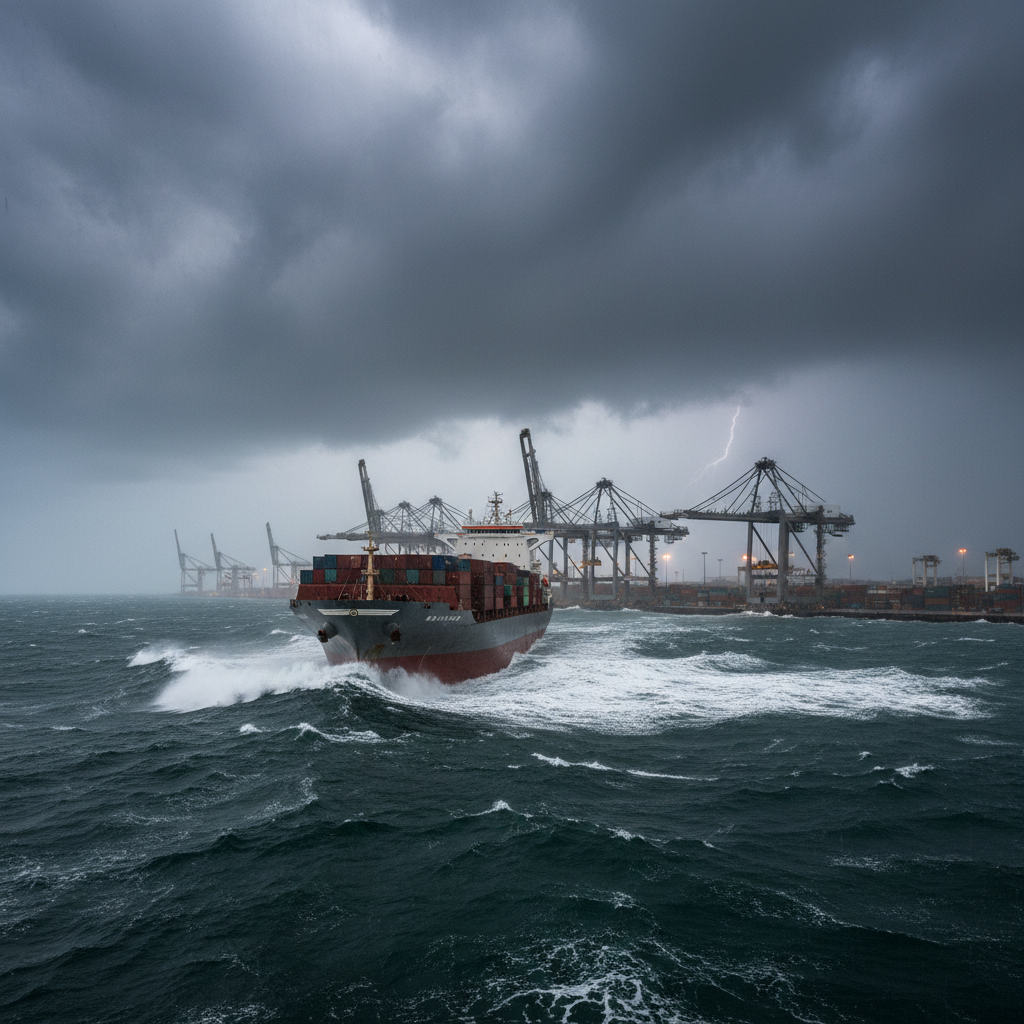
The Fragility of Maritime Lanes
The global supply chain operates on a delicate balance, with critical maritime arteries serving as lifelines for international trade. The recent incident involving a Singapore-flagged container ship in the Strait of Hormuz, carrying over 2,500 containers before its unfortunate sinking, serves as a stark reminder of this inherent fragility. While the cause of this specific event was external, it powerfully illustrates how quickly a major vessel can be incapacitated, leading to significant cargo loss and potential disruption of a vital chokepoint. The Strait of Hormuz, a narrow passage connecting the Persian Gulf to the open ocean, is just one example of many strategic waterways where any incident can have cascading effects across global logistics networks. Such events underscore the constant threat to cargo movement, whether from geopolitical tensions, technical failures, or, increasingly, the unpredictable forces of nature.
Weather's Pervasive Impact on Shipping
Beyond isolated incidents, the pervasive and escalating impact of weather patterns poses a continuous, systemic threat to cargo movement worldwide. Unlike singular events, weather disruptions are often widespread, affecting multiple regions and modes simultaneously. From intense tropical storms rerouting trans-oceanic voyages to dense fog causing port closures and blizzards halting overland transport, adverse weather directly impacts transit times, cargo integrity, and operational costs. The frequency and intensity of extreme weather events are on the rise, making proactive weather-related risk management an indispensable component of modern supply chain strategy. Shippers must contend with not just the immediate effects of a storm, but also the ripple effects, such as port congestion, equipment shortages, and labor disruptions that follow.
Affected Lanes, Facilities, and Modes
Maritime Lanes: Critical shipping lanes, much like the Strait of Hormuz, are highly susceptible to weather-induced delays and diversions. Hurricanes and typhoons in the Atlantic and Pacific, respectively, force vessels to take longer, fuel-intensive routes, adding days or even weeks to transit times. Monsoons in Southeast Asia can severely impact port operations and inland connections. Even less dramatic phenomena like strong currents or persistent high winds can slow vessel speeds, leading to schedule slippage. Arctic shipping routes, while offering potential shortcuts, are subject to extreme ice conditions and severe cold, limiting their reliability.
Port Facilities: Ports and terminals are ground zero for weather-related bottlenecks. High winds can prevent cranes from operating, halting loading and unloading. Heavy rainfall can flood storage areas and disrupt gate operations, causing significant truck queues. Dense fog leads to pilotage restrictions, preventing ships from entering or leaving port. Extreme temperatures can affect equipment performance and worker safety, further slowing down operations. The cumulative effect is often severe congestion, leading to demurrage charges and further delays for subsequent vessels.
Transport Modes:
- Ocean: As discussed, ships face direct impacts from storms, high seas, and visibility issues. The scale of a container ship carrying over 2,500 containers means any maritime disruption has a substantial impact on cargo volume.
- Air: Airports are highly sensitive to weather. Snow, ice, fog, and thunderstorms can cause flight cancellations, diversions, and significant delays, impacting air cargo schedules and time-sensitive shipments.
- Rail: Heavy snow, ice, and flooding can wash out tracks, cause power outages for electrified lines, and lead to derailments. Extreme heat can cause tracks to buckle, necessitating speed restrictions.
- Road: Trucking is vulnerable to almost all forms of severe weather – snow, ice, heavy rain, high winds, and flooding can close roads, reduce visibility, and make driving hazardous, leading to extensive delays in last-mile delivery and long-haul routes.
Shipper Strategies for Mitigation
To navigate these challenges, shippers need a multi-faceted approach centered on resilience and adaptability.
- Diversification of Routes and Modes: Whenever possible, avoid over-reliance on a single shipping lane or mode, especially for critical cargo. Explore alternative routes or consider multimodal options if one segment is compromised.
- Buffer Stock and Lead Time Management: Building in extra lead time and maintaining strategic buffer stock can absorb minor delays without immediate impact on production or sales.
- Robust Contingency Planning: Develop clear protocols for rerouting, rebooking, and communicating with stakeholders when disruptions occur. This includes understanding insurance coverage for weather-related losses.
- Proactive Communication with Partners: Maintain open lines of communication with carriers, freight forwarders, and logistics providers to receive early warnings and coordinate responses.
Leveraging MGS for Resilience
This is where a robust shipment-visibility control tower like MGS becomes invaluable. By providing real-time, end-to-end visibility across all modes and lanes, MGS empowers shippers to:
- Anticipate Disruptions: Integrate weather data feeds with live shipment tracking to predict potential impacts on specific vessels, flights, or truck routes. This allows for proactive rerouting or rescheduling before a crisis fully unfolds.
- Assess Impact Instantly: When an event like a port closure due to fog or a rail line washout occurs, MGS can immediately identify all affected shipments, quantify potential delays, and highlight critical cargo at risk.
- Optimize Response: With a clear picture of all shipments, MGS enables rapid decision-making for alternative arrangements, such as diverting cargo to less affected ports or switching modes for urgent deliveries.
- Enhance Communication: Provide accurate, up-to-the-minute updates to internal teams and external customers, managing expectations and maintaining trust during periods of uncertainty.
- Analyze Trends for Future Planning: Aggregate data on weather-related delays and disruptions to identify recurring patterns, inform network design, and strengthen future resilience strategies.
In an increasingly unpredictable world, the ability to see, understand, and react swiftly to disruptions, whether from geopolitical events or severe weather, is no longer a luxury but a fundamental requirement for supply chain success.
Source: Marine Insight — https://www.marineinsight.com/container-ship-carrying-over-2500-containers-sinks-in-strait-of-hormuz/?utm_source=rss&utm_medium=rss&utm_campaign=container-ship-carrying-over-2500-containers-sinks-in-strait-of-hormuz