
Weathering the Storm: Navigating Supply Chain Disruptions in a Volatile Climate
Unpredictable weather patterns are increasingly challenging global supply chains. This brief examines how meteorological events impact key lanes, facilities, and modes, and outlines strategies for shippers to maintain resilience using advanced visibility platforms.
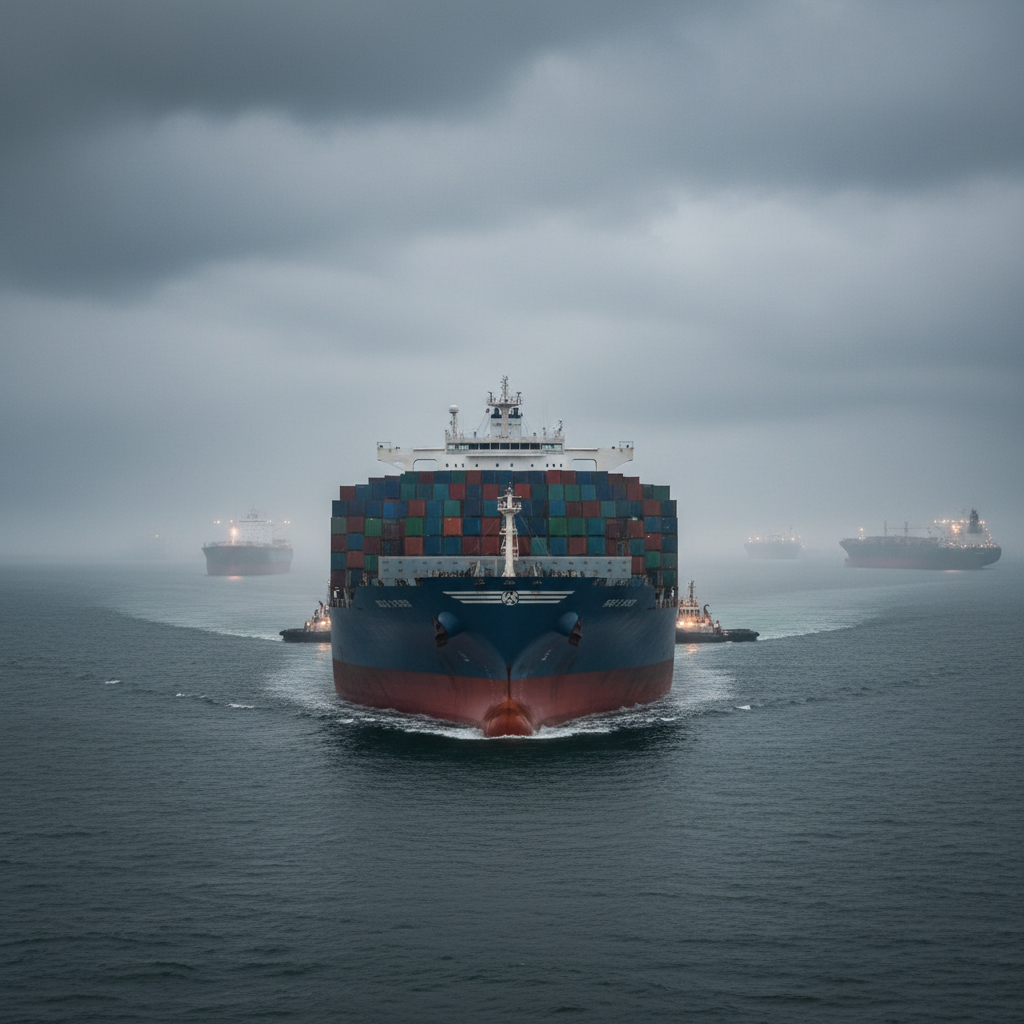
Global Weather Patterns and Supply Chain Vulnerability
The global supply chain operates within an increasingly unpredictable climate. Meteorological events, from extreme heatwaves and prolonged droughts to intense storms and widespread flooding, are no longer isolated incidents but recurring threats to the seamless flow of goods. These phenomena introduce significant volatility, impacting everything from raw material sourcing and manufacturing to transportation and last-mile delivery. The inherent interconnectedness of modern supply networks means that a weather event in one region can trigger ripple effects across continents, leading to delays, increased costs, and potential stockouts. For supply chain analysts, understanding these evolving weather patterns and their potential for disruption is paramount. It necessitates a shift from reactive problem-solving to proactive risk management, leveraging advanced tools to anticipate and mitigate impacts before they escalate. The challenge lies in integrating diverse data streams – weather forecasts, real-time cargo locations, and facility statuses – to create a comprehensive picture of potential vulnerabilities and actionable insights.
Maritime Lanes and Port Operations Under Duress
Maritime shipping, the backbone of international trade, is particularly susceptible to weather's whims. Severe storms, hurricanes, and typhoons can force vessels to reroute, seek shelter, or delay departures and arrivals, extending transit times significantly. Dense fog reduces visibility, leading to vessel speed restrictions and port closures, causing congestion and backlogs. High winds and heavy seas can make cargo loading and unloading operations unsafe or impossible, directly impacting port throughput. Ice formation in polar regions or even in temperate zones during extreme winters can block shipping lanes, necessitating icebreaker assistance or complete rerouting.
These disruptions are amplified in critical maritime choke points, where high volumes of traffic converge. For instance, in vital waterways like the Strait of Hormuz, which sees the passage of more than 40 commercial vessels daily, any weather-induced slowdown or closure can have immediate and far-reaching consequences for global energy and goods markets. While the Strait's primary challenges often relate to geopolitical security, its operational efficiency is equally vulnerable to meteorological factors. A single weather-related incident in such a high-traffic zone can cascade into widespread delays, impacting vessel schedules, port calls, and ultimately, the availability of goods further down the supply chain. Port facilities themselves are vulnerable to extreme weather, with infrastructure damage from flooding, high winds, or storm surges leading to prolonged operational outages and costly repairs.
Disruption to Air and Ground Transport: Battling the Elements
Beyond the seas, air and ground transportation modes face their own set of weather-related challenges. Air cargo, prized for its speed, can be severely hampered by adverse atmospheric conditions. Thunderstorms, blizzards, and volcanic ash clouds can lead to flight cancellations, diversions, and extensive ground delays, impacting time-sensitive shipments. Extreme heat can reduce aircraft lift capabilities, requiring cargo offloads or fuel restrictions, while strong crosswinds make takeoffs and landings hazardous.
Ground transport, encompassing road and rail, is equally exposed. Heavy snowfall and ice can render roads impassable, causing trucks to be stranded and deliveries to be postponed. Flooding from torrential rains or overflowing rivers can submerge roads and railway lines, disrupting routes and damaging infrastructure. Extreme heat can cause railway tracks to buckle, leading to speed restrictions or closures, and can also impact the performance of vehicle engines and refrigeration units. Even seemingly minor events, like heavy rainfall, can significantly reduce road visibility and increase accident risks, slowing down transit times. These disruptions not only delay goods but can also compromise cargo integrity, particularly for temperature-sensitive or fragile items.
Proactive Strategies for Shippers
In the face of escalating weather volatility, shippers must adopt proactive and adaptive strategies to build supply chain resilience.
- Diversification of Routes and Modes: Relying on single transportation lanes or modes increases vulnerability. Shippers should explore alternative routes, consider multimodal options, and pre-qualify backup carriers to pivot quickly when primary paths are compromised.
- Strategic Inventory Buffering: While lean inventory is often a goal, maintaining strategic buffer stock at key distribution points can absorb minor weather-induced delays without immediately impacting customer service levels. This requires careful balance to avoid excessive holding costs.
- Enhanced Communication and Collaboration: Establishing robust communication channels with carriers, logistics providers, and supply chain partners is crucial. Real-time information sharing allows for coordinated responses and minimizes missteps during disruptions.
- Weather-Aware Planning: Integrating advanced weather forecasting into logistics planning cycles can help identify potential risks days or even weeks in advance, enabling preemptive action such as rescheduling shipments or pre-positioning inventory.
- Robust Contingency Planning: Developing detailed contingency plans for various weather scenarios, including alternative port calls, air freight options, or ground route deviations, ensures a swift and organized response when disruptions occur.
The MGS Advantage: Real-time Visibility for Weather Resilience
This is where a sophisticated shipment-visibility control tower like MGS becomes indispensable. In an environment defined by weather-induced uncertainty, MGS provides the critical real-time intelligence needed to navigate disruptions effectively.
- Predictive Analytics and Early Warning: By integrating advanced weather data feeds with real-time shipment tracking, MGS can provide early warnings of potential weather impacts on specific lanes, facilities, or cargo. This allows shippers to anticipate problems rather than react to them.
- Dynamic Route Optimization: When a weather event threatens a planned route, MGS can instantly identify and recommend alternative paths, considering factors like transit time, cost, and cargo integrity. For maritime, this could mean suggesting different port calls; for ground, rerouting around flooded areas.
- Enhanced Collaboration and Communication: The control tower acts as a central hub for all stakeholders, providing a single source of truth regarding shipment status and potential delays. This facilitates rapid decision-making and coordinated responses across the entire supply chain ecosystem.
- Performance Monitoring and Post-Event Analysis: MGS not only helps manage disruptions in real-time but also captures data on how the supply chain performed during an event. This data is invaluable for post-event analysis, helping to refine contingency plans and improve future resilience strategies.
- Proactive Customer Communication: With accurate, real-time information on delays and revised ETAs, shippers can proactively communicate with their customers, managing expectations and maintaining trust even amidst significant disruptions.
By leveraging the comprehensive visibility and analytical capabilities of an MGS control tower, businesses can transform weather-related supply chain challenges from unpredictable crises into manageable operational hurdles, ensuring greater resilience and continuity in a changing climate.
Source: gCaptain — https://gcaptain.com/by-the-numbers-u-s-claims-control-of-hormuz-as-ship-attacks-hit-new-high/