
Weathering the Storm: How El Niño and Climate Patterns Are Reshaping Global Cargo Flows
Global supply chains are increasingly vulnerable to extreme weather events. This brief examines how phenomena like El Niño are disrupting critical trade lanes, impacting facilities and modes of transport, and what shippers can do to build resilience using advanced visibility platforms.
Introduction: The Growing Impact of Weather on Global Supply Chains
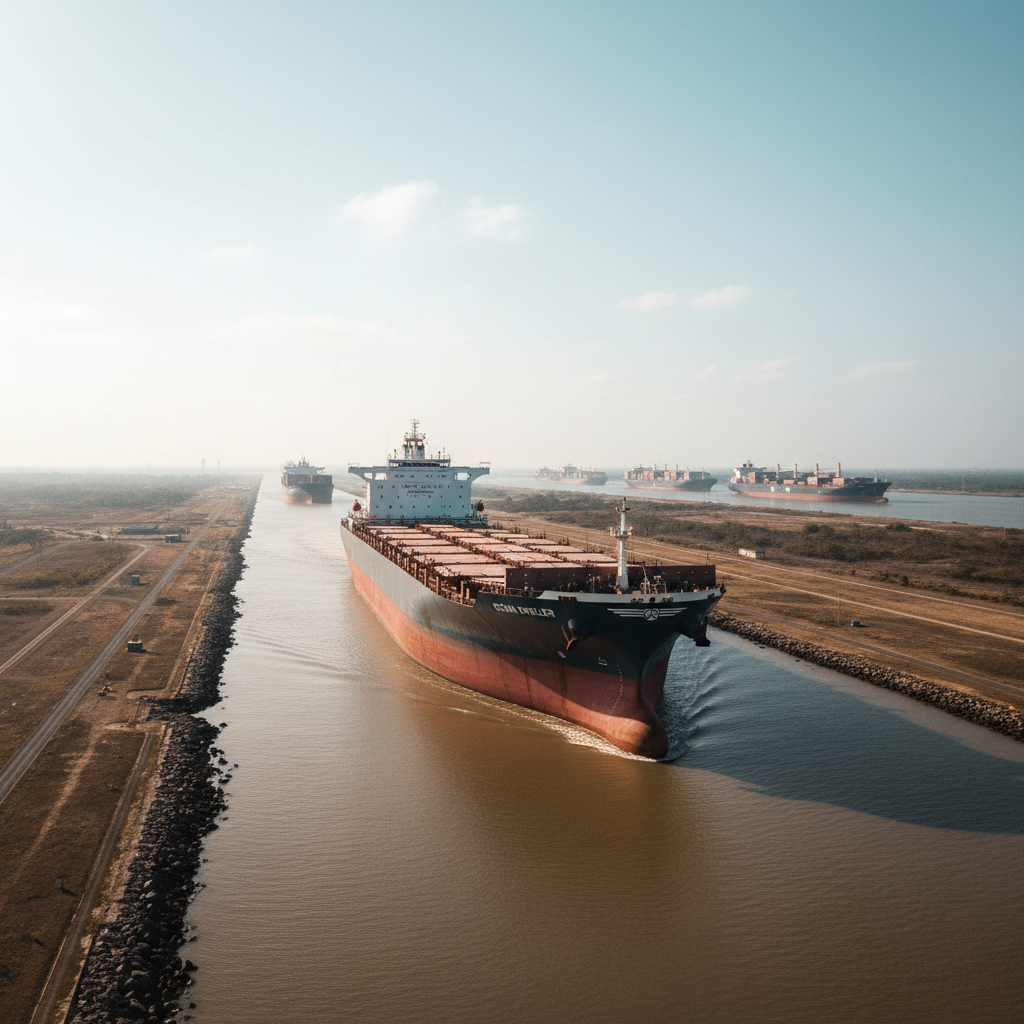
In an interconnected global economy, the smooth flow of goods is paramount. Yet, an increasingly volatile climate is introducing unprecedented levels of disruption, transforming what were once considered rare events into recurring challenges for supply chain professionals. Weather phenomena, from severe storms to prolonged droughts, are no longer isolated incidents but systemic threats that demand strategic foresight and robust mitigation. The recent operational adjustments at the Panama Canal serve as a stark reminder of this vulnerability, highlighting how environmental factors can directly impede crucial trade arteries and send ripple effects across the entire logistics network.
The Panama Canal, a linchpin of global maritime trade, demonstrated its immense capacity by handling a record 521 million tonnes of cargo in 2022. This impressive volume underscores its critical role in connecting the Atlantic and Pacific oceans. However, even such a vital and high-performing asset is not immune to nature's caprices. The canal recently faced significant water shortages, directly attributed to the El Niño phenomenon. This environmental stressor necessitated a reduction in the number of ships permitted to transit daily, a decision with profound implications for global shipping schedules and costs. Such events underscore the urgent need for shippers to understand, anticipate, and adapt to weather-induced disruptions.
Specific Lanes and Facilities Affected
The Panama Canal's operational constraints due to El Niño-induced drought exemplify how specific geographic chokepoints become immediate casualties of adverse weather. As water levels in the canal's freshwater lakes (Gatun and Alajuela) dropped, authorities were compelled to implement draft restrictions, limiting the maximum depth to which vessels could load. This meant ships either had to lighten their loads, incurring additional costs for partial shipments or transshipments, or face longer queues and significant delays. Furthermore, the reduction in daily transit slots exacerbated congestion, creating bottlenecks at both the Pacific and Atlantic entrances.
This disruption on a primary global trade lane has a cascading effect. Shippers are forced to consider alternative routes, such as the longer journey around the Cape of Good Hope or through the Suez Canal. While these alternatives offer bypass options, they come with substantial drawbacks: increased transit times, higher fuel consumption, and consequently, elevated freight costs. These extended voyages also tie up valuable vessel capacity for longer periods, straining fleet availability. On the facility side, ports at either end of the canal, and those along alternative routes, experience increased pressure. Unpredictable arrival times lead to berth congestion, extended dwell times for cargo, and challenges in coordinating onward transportation via rail or truck. The entire ecosystem of port operations, from container handling to customs clearance, becomes less efficient and more prone to delays.
Modes of Transport Under Pressure
The immediate and most significant impact of the Panama Canal's water shortages falls squarely on maritime transport. Container ships, bulk carriers, and tankers that rely on the canal for efficient transoceanic passage are directly affected. Longer transit times mean vessels are out of circulation for extended periods, effectively reducing available shipping capacity. This can lead to upward pressure on freight rates as carriers grapple with increased operational costs and reduced efficiency.
Beyond ocean freight, the ripple effects extend to other modes. When maritime schedules become unreliable, the intermodal connections at destination ports suffer. Rail and truck operators face unpredictable volumes and timing, leading to potential congestion at intermodal hubs and increased demurrage or detention charges. For time-sensitive or high-value cargo, the delays on ocean routes can force shippers to pivot to air cargo, which, while faster, is significantly more expensive and has limited capacity. This shift can drive up air freight rates and strain airport logistics, demonstrating how a disruption in one mode can create pressure across the entire multimodal transport network. The interconnectedness of these modes means that a single point of failure, like a critical canal facing weather challenges, can propagate instability throughout the entire supply chain.
The Ripple Effect: Broader Supply Chain Implications
The direct impacts of weather-induced disruptions, such as those at the Panama Canal, quickly translate into broader, more complex challenges for global supply chains. The most immediate consequence is the extension and unpredictability of lead times. When shipments face delays of days or even weeks due to re-routing or canal congestion, manufacturers face uncertainty in raw material delivery, potentially halting production lines. Retailers, in turn, struggle to maintain adequate inventory levels, leading to stockouts, lost sales, and diminished customer satisfaction.
Financially, the implications are substantial. Increased transit times mean higher fuel costs for carriers, which are often passed on to shippers through surcharges. Expedited shipping via air cargo, when necessary, dramatically inflates transportation expenses. Furthermore, the capital tied up in goods in transit increases, impacting working capital and cash flow. Beyond direct costs, the unpredictability erodes supply chain reliability, making forecasting more difficult and increasing the risk of both inventory gluts (due to overstocking in anticipation of delays) and critical shortages. Businesses face reputational damage when they cannot meet delivery commitments, potentially leading to long-term erosion of customer trust and market share. The cumulative effect is a reduction in overall supply chain efficiency and resilience, making businesses more vulnerable to future shocks.
Shipper Strategies: Navigating Weather-Related Disruptions
In the face of increasing weather volatility, shippers must adopt proactive and adaptive strategies to safeguard their supply chains. A primary approach involves diversification. This means not solely relying on a single trade lane, carrier, or even mode of transport. Exploring alternative routes, even if slightly longer or more expensive under normal circumstances, provides crucial flexibility when primary arteries like the Panama Canal are constrained. Building relationships with multiple logistics providers and having contingency plans for different scenarios are essential.
Enhanced visibility and agility are non-negotiable. This is where a shipment-visibility control tower platform, such as MGS, becomes indispensable. MGS provides real-time, end-to-end tracking of shipments across all modes and geographies. When disruptions like the Panama Canal drought occur, MGS can immediately alert shippers to affected shipments, providing granular data on their exact location and estimated new arrival times. This real-time intelligence empowers supply chain teams to make informed, dynamic decisions. For instance, MGS can help identify which vessels are impacted by draft restrictions or transit limitations, allowing shippers to proactively re-route high-priority cargo, adjust production schedules, or communicate updated delivery expectations to customers. Predictive analytics within MGS can even forecast potential delays based on emerging weather patterns, enabling preemptive action rather than reactive scrambling. By centralizing data and providing actionable insights, MGS transforms raw tracking information into strategic advantage, optimizing inventory levels and ensuring greater responsiveness.
Furthermore, robust risk management protocols are vital. This includes reviewing contractual agreements with carriers for clauses related to force majeure and delay, and considering appropriate cargo insurance. Developing strong collaborative relationships with carriers, freight forwarders, and other logistics partners allows for better information sharing and coordinated responses during crises. Finally, fostering an organizational culture of flexibility and continuous improvement ensures that lessons learned from each disruption are integrated into future planning, building a more resilient and adaptable supply chain over time.
Conclusion: Building Resilience in a Volatile Climate
The challenges posed by weather-related disruptions, as vividly illustrated by the El Niño-induced constraints at the Panama Canal, are becoming a defining characteristic of modern global supply chains. These events underscore a fundamental truth: even the most robust infrastructure and efficient logistics networks remain intrinsically linked to, and vulnerable to, natural phenomena. The record cargo throughput of 521 million tonnes in 2022 through the Panama Canal highlights its immense importance, yet simultaneously emphasizes the scale of impact when such a critical artery faces environmental stress.
Moving forward, the ability to navigate this volatile landscape will hinge on a combination of strategic foresight, operational agility, and technological empowerment. Shippers must proactively diversify their routes, cultivate strong partnerships, and embed resilience into their supply chain design. Crucially, platforms like the MGS shipment-visibility control tower are no longer just tools for efficiency but essential components for survival and competitive advantage. By providing unparalleled real-time visibility and predictive capabilities, MGS enables businesses to anticipate disruptions, make informed decisions, and adapt swiftly, transforming potential crises into manageable challenges. As climate patterns continue to evolve, investing in such intelligent systems and fostering a culture of adaptability will be paramount for building supply chains that can truly weather any storm.
Source: Marine Insight — https://www.marineinsight.com/panama-canal-breaks-2022-cargo-record-at-521-million-tonnes-amid-hormuz-closure-and-drought/?utm_source=rss&utm_medium=rss&utm_campaign=panama-canal-breaks-2022-cargo-record-at-521-million-tonnes-amid-hormuz-closure-and-drought