
Uncharted Waters: Geopolitical Events Reshaping Global Cargo Movement
Geopolitical tensions are fundamentally altering the landscape of global trade and transport. This MGS Insight brief explores the profound consequences for shipping routes, freight costs, supply chain reliability, trade flows, and regulatory compliance, highlighting the critical role of real-time visibility in navigating these disruptions.
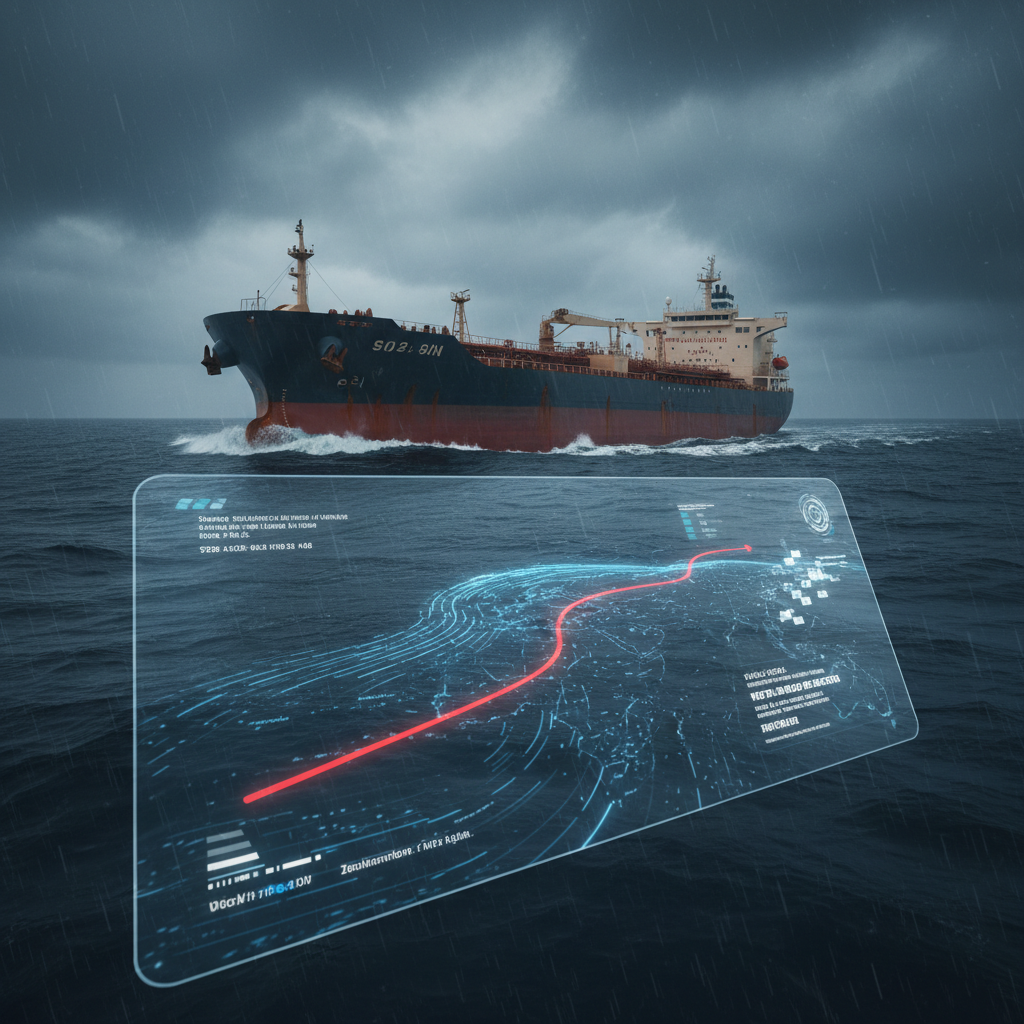
The global supply chain, a complex web of interconnected routes and processes, is increasingly subject to the unpredictable forces of geopolitical events. From regional conflicts to shifting international relations, these dynamics are not merely creating temporary inconveniences; they are fundamentally reshaping how cargo moves across the planet. For a shipment-visibility control tower like MGS, understanding and adapting to these macro-level disruptions is paramount to providing actionable intelligence and maintaining resilient logistics operations. This brief examines the multifaceted consequences for trade and transport, focusing purely on the operational and economic impacts.
Impact on Shipping Routes and Transit Times
Geopolitical flashpoints directly threaten established maritime and air corridors, forcing immediate and often costly rerouting. When key waterways, such as those in the Black Sea region, become zones of heightened risk due to ongoing conflicts or increased military presence, commercial vessels are compelled to seek alternative paths. This often means significantly longer voyages, bypassing traditional shortcuts or high-traffic areas. For instance, a vessel might have to circumnavigate an entire continent or take a much longer route through less efficient channels. The immediate consequence is a substantial increase in transit times, directly impacting delivery schedules and inventory management. Longer routes necessitate greater fuel consumption, adding to operational expenditures and contributing to higher carbon footprints. Similarly, airspace closures or restrictions due to political tensions or military activity force air cargo carriers to deviate, leading to extended flight durations and increased fuel burn. These diversions create a ripple effect, potentially causing congestion at alternative ports or airports not typically designed for such increased volumes. For an MGS control tower, real-time tracking and predictive analytics become indispensable, allowing for dynamic route optimization, accurate ETA adjustments, and proactive communication with consignees about potential delays.
Increased Freight Costs and Insurance Premiums
The direct and indirect costs associated with geopolitical disruptions are substantial, manifesting primarily as elevated freight rates and soaring insurance premiums. The heightened risk perception in areas like the Black Sea, as evidenced by reports of freight rates for certain shipments remaining at record highs in late October, translates directly into higher operational costs for carriers. Insurers levy 'war risk' surcharges for vessels operating in or transiting through designated high-risk zones, significantly increasing the cost of coverage. Beyond insurance, the necessity of longer routes (as discussed above) means higher fuel expenses, increased crew wages for extended voyages, and greater wear and tear on vessels. Furthermore, a reluctance among some carriers to operate in dangerous regions, coupled with potential shortages of specific vessel types (such as tankers willing to undertake risky voyages), reduces available capacity. This imbalance between demand and supply inevitably drives up spot and contract rates. For businesses, these escalating costs erode profit margins and can make certain trade lanes economically unviable. An MGS platform provides crucial visibility into these fluctuating costs, enabling stakeholders to monitor rate changes, compare alternative transport modes, and make informed decisions about route selection and budgeting.
Supply Chain Volatility and Reliability Issues
Geopolitical events introduce a profound level of uncertainty and unpredictability into global supply chains, leading to increased volatility and diminished reliability. When routes are suddenly disrupted, or freight costs surge unexpectedly, the meticulously planned 'just-in-time' inventory models, favored by many industries, become highly vulnerable. Delays in the arrival of critical raw materials can halt production lines, leading to manufacturing backlogs and missed market opportunities. Conversely, the uncertainty can prompt companies to build up buffer stocks, leading to increased warehousing costs and potential obsolescence. The cumulative effect is a less reliable supply chain, making it difficult for businesses to meet customer commitments, manage expectations, and maintain consistent product availability. This erosion of predictability impacts brand reputation and customer loyalty. An MGS control tower mitigates this by providing enhanced, real-time visibility across the entire logistics network. This allows for early detection of potential disruptions, proactive re-planning of inventory, and dynamic adjustment of production schedules, transforming reactive responses into strategic, informed actions.
Shift in Trade Flows and Sourcing Strategies
Persistent geopolitical pressures compel businesses to fundamentally re-evaluate their traditional trade partnerships and sourcing strategies. When established trade corridors become too risky, too expensive, or subject to sanctions, companies are driven to diversify their supply bases and explore entirely new markets. This can lead to significant shifts in global trade flows, as exemplified by the implied reorientation of certain commodity movements towards new destinations. Businesses may opt for 'friend-shoring' or 'near-shoring' strategies, bringing production closer to consumption markets or relocating it to geopolitically aligned nations to reduce transit risks and enhance supply chain resilience. While these shifts can mitigate immediate risks, they also necessitate significant investment in new infrastructure, development of new supplier relationships, and adaptation to different regulatory environments. This long-term re-mapping of global trade routes creates both challenges and opportunities, requiring agile adaptation from logistics providers and their clients. An MGS platform can assist in mapping these new supply chain configurations, tracking the performance of diversified sourcing strategies, and providing data-driven insights into the efficiency and reliability of emerging trade lanes.
Regulatory Complexity and Compliance Burdens
Geopolitical events frequently trigger a cascade of new regulations, including sanctions, tariffs, and export controls, creating an increasingly complex compliance landscape for international trade. Navigating these evolving rules requires significant diligence and expertise. Companies must meticulously verify the origin, destination, and ultimate end-use of their goods to avoid inadvertent violations, which can result in severe penalties, reputational damage, and even the seizure of cargo. The implementation of specific sanctions against certain entities or regions means that businesses must continuously monitor their trading partners and supply chain participants for compliance. Furthermore, the imposition of retaliatory tariffs can drastically alter the cost-effectiveness of certain trade routes and products, necessitating constant re-evaluation of pricing strategies and sourcing decisions. This regulatory labyrinth adds considerable administrative overhead and legal risk to international shipments. An MGS control tower can integrate compliance data and automated checks, flagging potential issues related to sanctions lists, restricted goods, or tariff codes. This proactive approach helps businesses maintain regulatory adherence, minimize legal exposure, and ensure the smooth flow of compliant cargo.
Source: Maritime Professional — https://www.maritimeprofessional.com/news/russian-freight-rates-remain-high-423993