
Ukraine Grain Harvest Projected to Halve by 2027 Amid Export Challenges
Ukraine's grain harvest could drop to 30 million metric tons by 2027 from 62 million tons in 2026, driven by farmers scaling back plantings due to export difficulties. This reduction will significantly impact global food security, reshape trade routes, and alter maritime shipping dynamics.
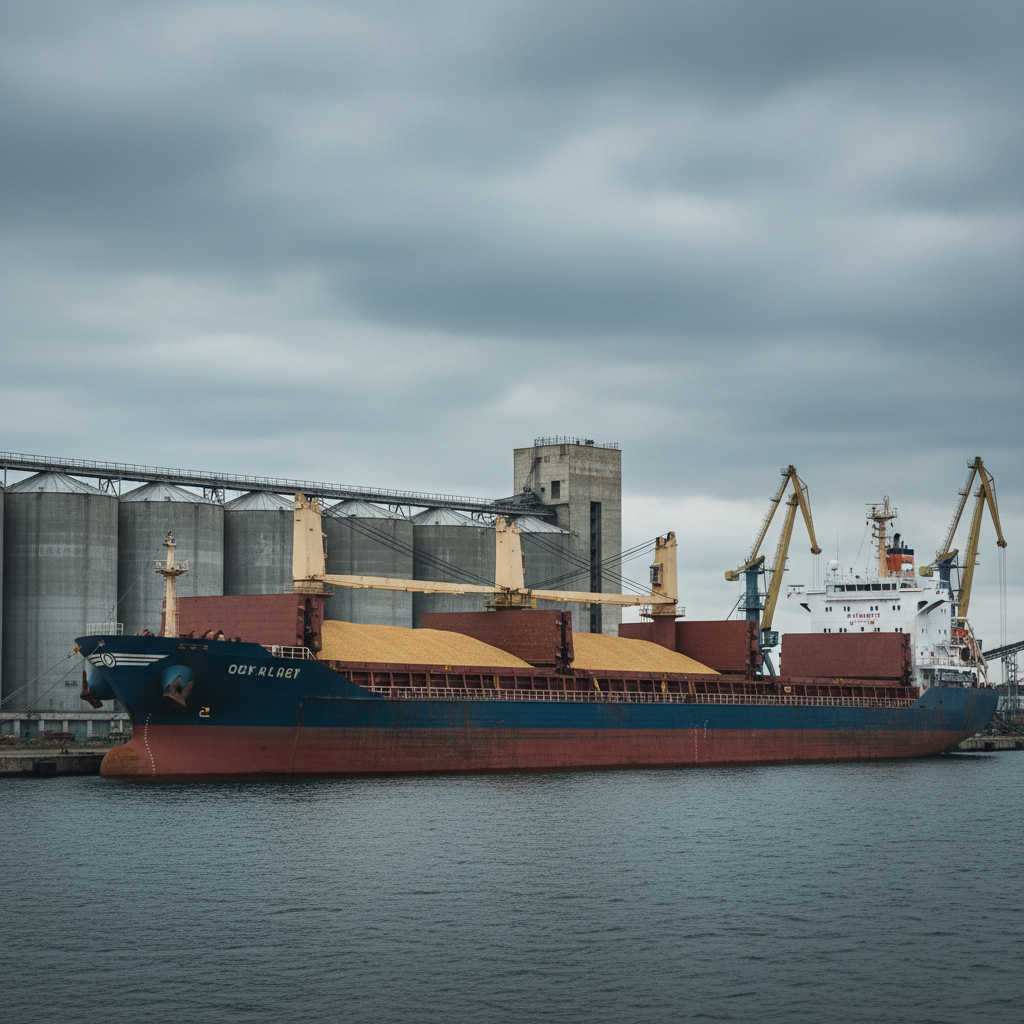
The geopolitical landscape continues to reshape global supply chains, with direct consequences for cargo movement, trade routes, and logistical planning. A recent projection highlights a stark example: Ukraine's grain harvest could halve by 2027, dropping from an estimated 62 million metric tons in 2026 to just 30 million metric tons. This substantial reduction is directly attributed to farmers scaling back plantings, a decision driven by their inability to reliably export their crops. This scenario presents a stark picture for global agricultural markets and the logistics networks that support them. A decrease of this magnitude from a major grain producer signifies a fundamental disruption to established supply patterns and a potential re-evaluation of agricultural investment within the region. The inability to move harvested goods creates a disincentive for future production, leading to a self-reinforcing cycle of diminished output. This directly impacts the availability of key commodities on the international market, forcing buyers to seek alternative suppliers and potentially driving up prices due to reduced overall supply.
Ukraine's Grain Production Outlook
The projected halving of Ukraine's grain harvest by 2027, from 62 million metric tons in 2026 to 30 million metric tons, stems from a direct consequence of ongoing geopolitical instability: farmers' inability to export their produce. This situation creates a powerful disincentive for agricultural investment and cultivation. When farmers cannot reliably bring their goods to market, the economic viability of planting future crops diminishes. This is not merely a temporary dip in production; it signals a potential long-term shift in agricultural capacity within a historically fertile region. The reduction of 32 million metric tons of grain from a major global supplier will inevitably create a void in the international market. This void will trigger a scramble among importing nations to secure supplies from elsewhere, leading to increased competition and likely upward pressure on global commodity prices. The ripple effect extends beyond price, influencing the strategic decisions of other grain-producing countries regarding their own planting schedules and export policies.
Global Food Security and Trade Route Realignments
The anticipated decline in Ukrainian grain output carries substantial implications for global food security, particularly for nations heavily reliant on these exports. Many countries in Africa, the Middle East, and Asia have historically depended on Ukrainian grain, valuing its quality and competitive pricing. A reduction from 62 million to 30 million metric tons means these importing nations must secure an additional 32 million metric tons from other sources. This sudden shift in demand will strain existing supply chains from other major grain-producing regions, such as North and South America, Australia, and other parts of Europe. The increased competition for available grain will likely lead to upward pressure on global commodity prices, affecting consumer costs worldwide. Furthermore, the logistical challenge of rerouting such significant volumes will necessitate adjustments in shipping schedules, port capacities, and inland transportation networks. Vessels previously engaged in Black Sea routes will need to find new assignments, while ports in alternative exporting regions may experience increased congestion and demand for services. This realignment is not a temporary adjustment but a potentially long-term structural change in global grain trade flows.
Consequences for Maritime Shipping and Logistics Infrastructure
The anticipated reduction in Ukrainian grain exports will have direct and indirect consequences for the maritime shipping industry, particularly for dry bulk carriers. A decrease of 32 million metric tons of grain translates into fewer vessel bookings, potentially leading to an oversupply of tonnage in certain segments and downward pressure on freight rates for routes previously serving the Black Sea. Shipowners and operators will need to adapt their deployment strategies, seeking new trade lanes and cargo opportunities. This could involve longer voyages from more distant suppliers, increasing fuel consumption and transit times. Port infrastructure around the Black Sea, which has historically handled substantial grain volumes, may experience reduced throughput, impacting local economies and employment. Conversely, ports in alternative exporting regions will face increased pressure to handle larger volumes, potentially requiring investments in expanded storage, loading facilities, and rail or road connections. The insurance market for maritime transport will also continue to reflect the heightened risk associated with operating in conflict-affected areas, even if volumes decrease. Higher premiums and stricter coverage terms will remain a factor, adding to the operational costs for any remaining or alternative cargo movements in the region. The overall effect is a redistribution of shipping demand and a re-evaluation of logistical efficiencies across the global network.
Reduced Ukrainian Grain Output Reshapes Global Trade Dynamics
The projected halving of Ukraine's grain harvest by 2027 represents a significant structural shift for global food supply and maritime logistics.
- Shippers should diversify their sourcing strategies for agricultural commodities, identifying alternative suppliers and assessing their logistical capabilities.
- Importers must model the impact of higher commodity prices and extended transit times on their cost structures and inventory management.
- Finance teams should evaluate currency risks and potential increases in insurance premiums for goods sourced from or transiting through volatile regions.
- Logistics managers should explore new multimodal transport options and port alternatives to maintain supply chain resilience.
Source: Maritime Professional — https://www.maritimeprofessional.com/news/2027-ukraine-grain-harvest-could-424378