
Two Oil Tankers Catch Fire in Hormuz After Strikes
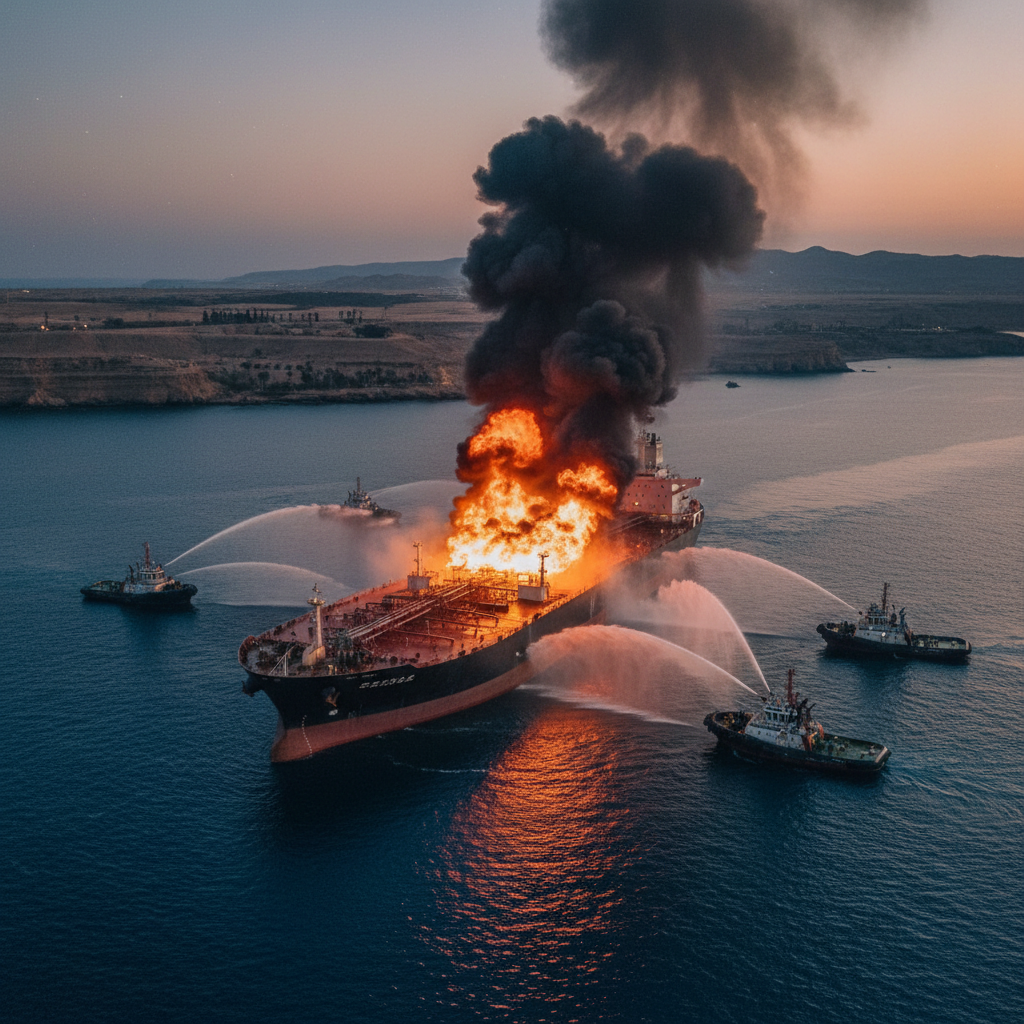
An incident in the Strait of Hormuz has seen two oil tankers catch fire after being hit by 'unidentified objects', with Iranian media reporting sea mine strikes. This event immediately elevates risk for cargo movement through one of the world's most critical maritime chokepoints, impacting global energy supply chains and demanding urgent attention from shippers and forwarders.
Strait of Hormuz Incidents Ignite Tanker Fires
Recent events in the Strait of Hormuz have brought renewed focus on the security of global maritime trade. Reports indicate that two oil tankers were struck by 'unidentified objects', leading to fires aboard both vessels. Iranian media sources have attributed these incidents to sea mines, further escalating concerns about the nature of the attacks. Firefighting efforts are currently underway to contain the blazes and ensure the safety of the crew and cargo. This development immediately signals a heightened threat level in a waterway responsible for a substantial portion of the world's seaborne oil and liquefied natural gas (LNG) traffic. The Strait of Hormuz, a narrow passage connecting the Persian Gulf to the open ocean, is a strategic artery for energy exports from major producing nations. Any disruption here sends ripples across international markets and supply chains, affecting not only the direct movement of crude oil and refined products but also the broader logistics network that relies on stable energy prices and availability. The specific targeting of oil tankers underscores the vulnerability of this particular cargo type and the vessels designed to transport it, forcing a re-evaluation of security protocols and operational routes for all stakeholders involved in energy logistics.
Global Energy Flows Face Heightened Risk
The immediate consequence of these incidents is a significant increase in perceived and actual risk for vessels transiting the Strait of Hormuz. The primary mode affected is tanker shipping, encompassing crude oil tankers, product tankers, and LNG carriers. These vessels are now operating in an environment where the threat of similar attacks is demonstrably real. This situation can lead to several operational challenges. Shipowners and operators may choose to reroute vessels, adding considerable time and cost to voyages. Longer transit times mean delayed deliveries of critical energy supplies to refineries and consumption centers, impacting production schedules and inventory management. Furthermore, the availability of vessels willing to undertake voyages through the Strait may decrease, leading to a tightening of tanker capacity and a corresponding surge in freight rates. Insurance premiums for vessels operating in the region are also likely to climb sharply, adding another layer of cost to the movement of goods. The global nature of energy markets means that even localized disruptions in a chokepoint like Hormuz can have far-reaching effects on prices and supply stability, affecting economies worldwide.
Downstream Facilities Brace for Supply Volatility
Beyond the immediate impact on shipping lanes, the incidents in Hormuz pose a direct challenge to downstream facilities globally. Refineries, petrochemical plants, and energy storage terminals that rely on a consistent flow of crude oil and gas from the Persian Gulf must now contend with increased supply volatility. Any delays in tanker arrivals or reductions in available cargo could force these facilities to adjust their operational schedules, potentially leading to reduced output or even temporary shutdowns if alternative supplies cannot be secured quickly. This creates a domino effect throughout the supply chain, impacting industries that depend on refined products, from manufacturing to transportation. Energy traders will likely react by seeking alternative sources, which may involve longer lead times and higher procurement costs. The need for robust inventory management and diversified sourcing strategies becomes even more critical for these facilities to maintain operational continuity. The incidents serve as a stark reminder of the interconnectedness of global energy infrastructure and the fragility of its most critical nodes.
Shippers Must Reassess Risk and Diversify Strategies
For shippers and supply chain managers, the events in the Strait of Hormuz necessitate an immediate and thorough reassessment of their risk exposure. The first step involves a comprehensive review of existing contracts and routes for cargo originating from or transiting through the Persian Gulf. Understanding the terms related to war risk insurance, force majeure clauses, and potential rerouting costs is crucial. Shippers should engage proactively with their freight forwarders and carriers to understand their contingency plans and the measures being taken to mitigate risks. Diversification of supply sources, where feasible, can reduce reliance on a single, potentially volatile region. Exploring alternative transportation modes or routes, even if less efficient or more costly in the short term, might be a necessary strategic consideration for high-value or time-sensitive cargo. Maintaining open and frequent communication channels with all supply chain partners, from suppliers to end customers, is also essential to manage expectations and provide timely updates on potential delays or disruptions. Proactive planning and flexibility are key to navigating this evolving security situation.
Source: TradeWinds — https://www.tradewindsnews.com/casualties/firefighting-underway-after-tanker-hit-by-unidentified-object-in-hormuz/2-1-2074254