
Trailer Idleness: A Silent Profit Killer in Logistics Operations
The seemingly innocuous issue of an idle trailer represents a significant, often underestimated, drain on logistics profitability. This analysis delves into how stationary assets generate compounding costs, disrupt global supply chain flows, and erode effective capacity, highlighting the urgent need for operational improvements.
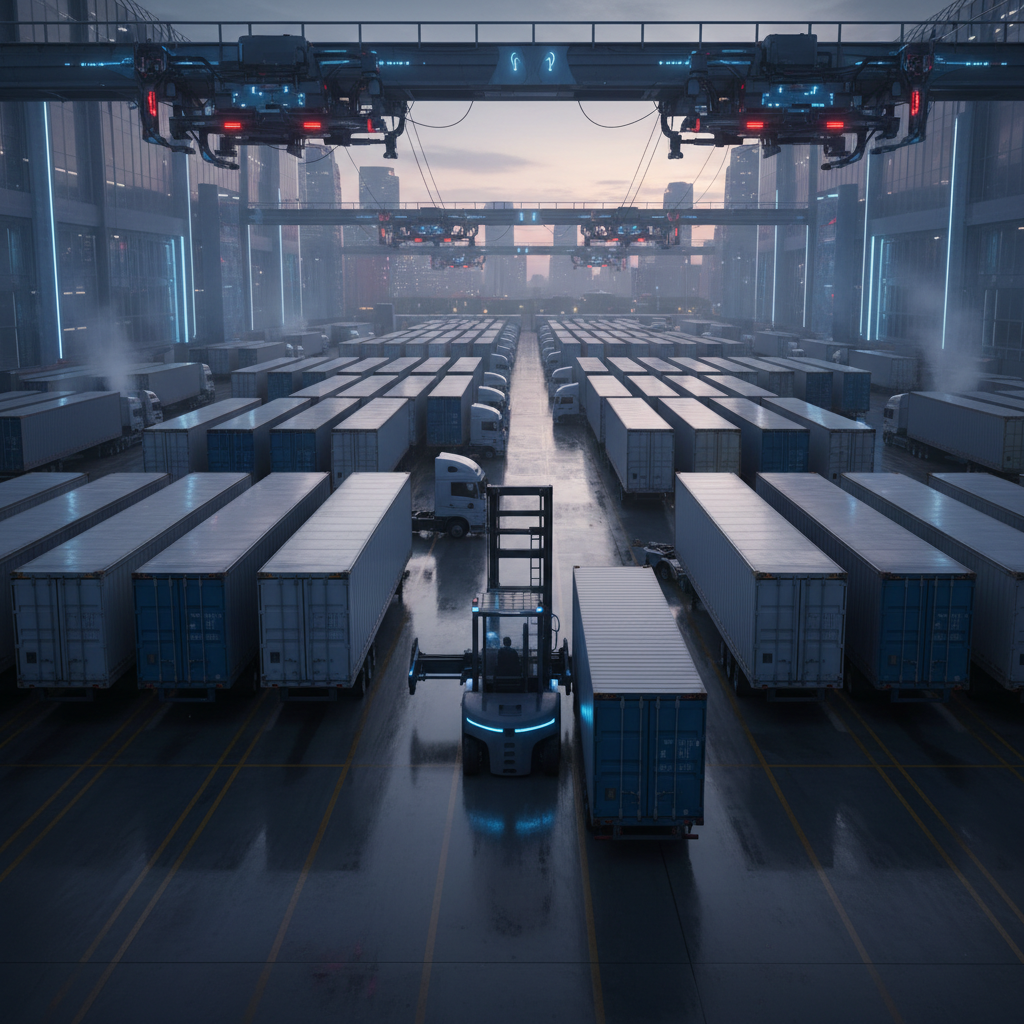
The sight of a trailer parked at a distribution center, awaiting its next move, might appear benign. Yet, as logistics professionals increasingly recognize, this seemingly static asset can be a dynamic generator of costs, silently eroding profit margins across the supply chain. The problem isn't merely a trailer being empty; it's a trailer being in the wrong place, at the wrong time, or simply not performing its intended function when it should be. This operational friction, often stemming from a cascade of minor inefficiencies, creates a ripple effect that impacts everything from carrier profitability to global trade flows.
The Compounding Costs of Stationary Assets
An idle trailer is a direct financial burden on multiple fronts. For carriers, the most immediate and tangible cost is driver detention. When a driver is forced to wait for hours due to a delayed dock assignment, a missing outbound unit, or a warehouse crew unable to locate a trailer, their paid time continues without productive movement. This not only inflates labor costs but also reduces the number of trips a driver can complete, directly impacting revenue potential. Beyond driver wages, there's the opportunity cost of the trailer itself. Each day an asset sits idle, it fails to generate revenue, effectively tying up capital that could be deployed elsewhere. Fuel consumption, even for idling engines, adds to the expense, as does the wear and tear from extended waiting periods. For shippers, the financial implications manifest as demurrage charges from carriers for exceeding agreed-upon loading or unloading times. More critically, delays at the dock can disrupt production schedules, lead to missed delivery windows, and potentially incur penalties from customers or even result in lost sales. The cumulative effect of these direct and indirect costs can significantly diminish the profitability of individual shipments and, by extension, the entire logistics operation.
How Localized Delays Ripple Through Global Networks
What begins as a localized issue at a single distribution center can quickly propagate, creating systemic disruptions across an interconnected global supply chain. A trailer that misses its scheduled departure due to idleness can cause a chain reaction: subsequent appointments are delayed, connecting shipments at intermodal hubs are missed, and downstream facilities face unexpected gaps or surges in inventory. This erosion of schedule adherence forces supply chain managers to build in larger safety stocks, increasing warehousing costs and inventory holding risks. On a broader scale, persistent trailer idleness effectively reduces the available capacity within the transportation network. If a significant portion of a carrier's fleet is tied up in unproductive waiting, the overall capacity for moving goods diminishes, potentially leading to higher freight rates, longer lead times, and reduced flexibility for shippers. In a global context, where goods often move through multiple modes and across vast distances, even minor delays at a single point can throw off complex international logistics plans, impacting everything from manufacturing schedules in one continent to retail availability in another.
Reclaiming Efficiency Through Enhanced Visibility and Coordination
The root causes of trailer idleness are often found in a lack of real-time visibility and poor coordination between various stakeholders. The scenario where a system indicates a trailer is at a door, but a switcher cannot find it, or a warehouse crew is ready to load a non-existent unit, points to critical data discrepancies and communication breakdowns. Addressing these friction points requires a multi-faceted approach centered on technological adoption and process optimization. Implementing advanced yard management systems (YMS) with real-time tracking capabilities, often leveraging IoT sensors and GPS, can provide accurate, up-to-the-minute information on trailer location and status. This enhanced visibility allows for proactive dock scheduling, efficient yard moves, and rapid identification of exceptions. Furthermore, improving communication protocols between drivers, dispatchers, warehouse personnel, and even customers can prevent many delays. This includes clear, standardized procedures for appointment scheduling, load readiness notifications, and immediate alerts for unforeseen issues. Investing in these solutions offers a clear return on investment by reducing detention costs, improving asset utilization, increasing driver satisfaction, and ultimately enhancing the overall efficiency and resilience of the supply chain. By transforming static, costly assets into dynamic, productive components, businesses can unlock significant operational and financial gains.
The Imperative of Trailer Velocity for Modern Supply Chains
The economic impact of idle trailers extends far beyond simple detention fees, representing a critical bottleneck that undermines profitability and operational fluidity across the entire logistics ecosystem. Prioritizing the continuous movement and optimal utilization of these assets is no longer merely an operational goal but a strategic imperative for businesses seeking to maintain competitiveness and resilience in an increasingly complex global trade environment.
- Financial Drain: Unproductive trailer time directly inflates carrier costs through driver detention and underutilized assets, while shippers face demurrage, production delays, and potential customer penalties.
- Operational Bottleneck: Localized trailer idleness creates systemic disruptions, eroding effective transportation capacity and causing ripple effects that delay global supply chain flows and increase inventory holding costs.
- Strategic Imperative: Investing in real-time visibility tools, advanced yard management systems, and improved communication protocols is crucial for transforming static assets into dynamic, revenue-generating components, thereby enhancing overall supply chain efficiency and resilience.
Source: Logistics Viewpoints — https://logisticsviewpoints.com/2026/11/11/the-economics-of-an-idle-trailer-where-logistics-profits-disappear/