
Tanker Attacks in Strait of Hormuz Threaten Global Energy Flows
Recent attacks on at least two tankers in the Strait of Hormuz, with one catching fire, signal escalating maritime risks. This analysis explores the impact on critical shipping lanes, global energy supply, and strategies for shippers to mitigate disruption and rising costs.
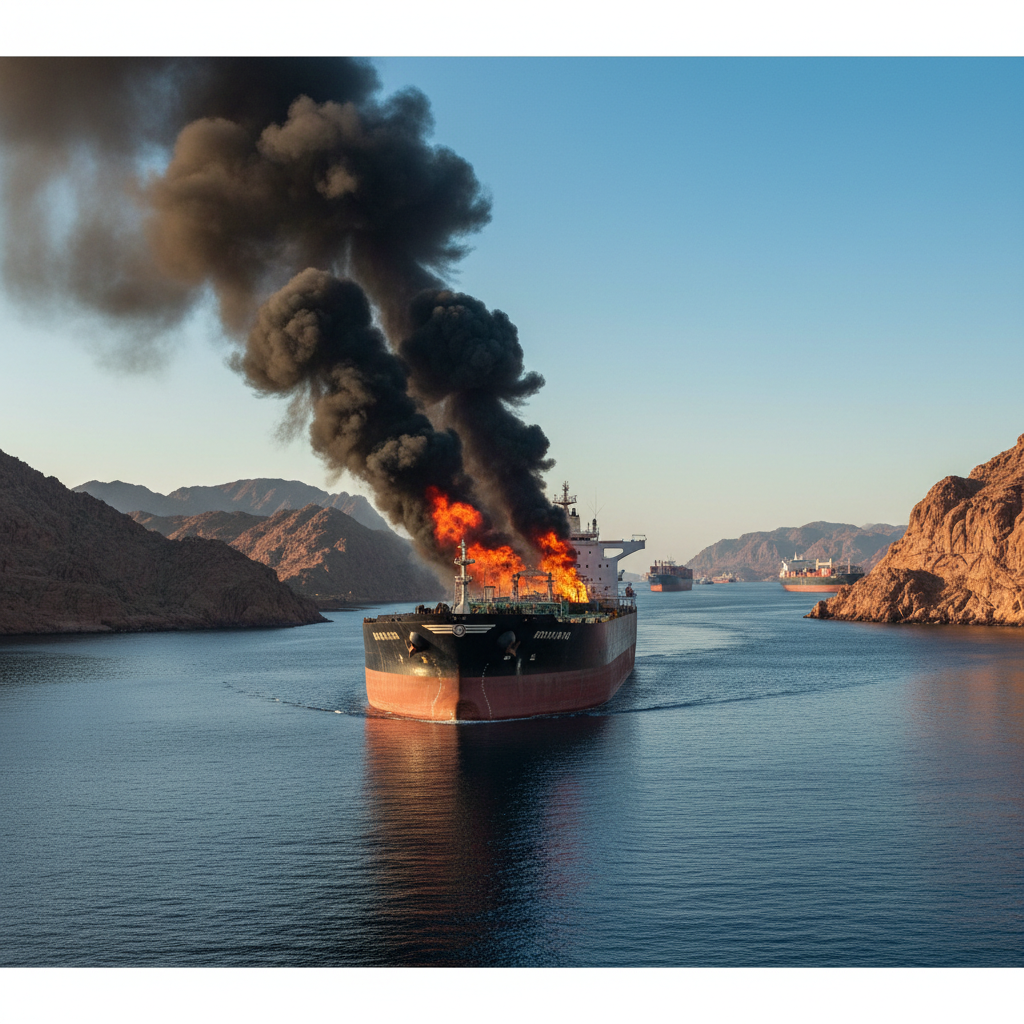
Tanker Strikes in the Strait of Hormuz Signal Heightened Regional Instability
On Saturday, the global supply chain was reminded of its inherent vulnerabilities when at least two tankers were attacked in the strategically vital Strait of Hormuz. One of these vessels subsequently caught fire, underscoring the severe and immediate danger posed to maritime operations in this critical waterway. The incident involved a vessel transiting about eight n..., indicating its proximity to key shipping routes within the strait. This event is not merely an isolated act but a stark indicator of escalating geopolitical tensions that directly translate into tangible risks for global cargo movement.
The Strait of Hormuz, a narrow passage connecting the Persian Gulf with the Arabian Sea and beyond, is arguably the world's most important oil transit chokepoint. Any disruption here has immediate and far-reaching implications for international trade, particularly for energy markets. The targeting of commercial vessels, especially tankers, sends a clear signal of heightened instability, compelling shippers, forwarders, and supply-chain managers to re-evaluate their risk assessments and operational strategies for this region. The direct assault on vessels, with one suffering a fire, represents a significant escalation beyond mere threats or posturing, demanding serious consideration of its potential to impact the flow of essential commodities.
Global Shipping Lanes Under Renewed Pressure
The attacks in the Strait of Hormuz place immense pressure on global shipping lanes, particularly those serving the energy sector. The strait is the primary conduit for a substantial portion of the world's seaborne oil and liquefied natural gas (LNG) exports, originating from major producers like Saudi Arabia, Iran, UAE, Kuwait, Qatar, and Iraq. When incidents like the recent tanker strikes occur, the immediate consequence is a surge in perceived risk for vessels transiting the area. This perception rapidly translates into higher operational costs.
One of the most direct impacts is on marine insurance premiums. War risk insurance rates for vessels operating in or passing through the Strait of Hormuz are likely to climb significantly, adding substantial expenses to every voyage. Furthermore, the threat of further attacks could lead some vessel operators to consider alternative, longer routes, such as circumnavigating the Arabian Peninsula via the Cape of Good Hope. While this avoids the immediate danger zone, it dramatically increases transit times, fuel consumption, and associated costs, thereby impacting delivery schedules and inventory management for recipients worldwide. The ripple effect extends beyond crude oil and LNG to other cargo types, as general cargo vessels also utilize this chokepoint, facing similar elevated risks and costs. Ports within the Persian Gulf, which rely on the Strait for both exports and imports, will experience direct operational challenges and potential delays, affecting their connectivity to global trade networks.
Escalating Costs and Operational Challenges for Shippers
For shippers, the implications of heightened maritime insecurity in the Strait of Hormuz are multifaceted and predominantly financial. The immediate increase in insurance premiums for vessels is just the beginning. Higher operational costs for carriers, driven by longer routes, increased security measures, and potential demurrage from delays, will inevitably be passed on to shippers through elevated freight rates. This directly impacts the landed cost of goods, particularly for energy-intensive industries and consumers reliant on products originating from or transiting through the Middle East.
Beyond direct costs, the attacks introduce significant operational challenges. Supply chain resilience, already a key focus for businesses, becomes even more critical. Shippers must now contend with potential disruptions to their carefully planned schedules, requiring greater flexibility and the development of contingency plans. This could involve diversifying sourcing locations away from regions reliant on the Strait, or building up buffer stocks to mitigate against potential delays and shortages. Forwarders play a crucial role in navigating these complexities, offering expertise in risk assessment, alternative routing options, and multimodal solutions to maintain cargo flow. The volatility introduced by such geopolitical events also has broader market implications, potentially driving up global oil prices, which in turn impacts transportation costs across all modes, from air freight to trucking, due to higher fuel expenses. The incident involving at least two tankers, with one catching fire, serves as a stark reminder that geopolitical flashpoints can quickly translate into tangible and costly disruptions for the global supply chain.
Conclusion & Strategic Insights
The recent tanker attacks in the Strait of Hormuz underscore the acute and persistent geopolitical risks threatening vital global trade arteries, demanding immediate and strategic responses from supply chain stakeholders.
- Heightened Risk Assessment: Shippers must immediately re-evaluate and update their risk profiles for all routes traversing or adjacent to the Middle East, accounting for increased insurance premiums and potential operational disruptions.
- Supply Chain Diversification: Emphasize the urgent need for exploring and implementing alternative sourcing strategies and diversified shipping routes to reduce over-reliance on single, vulnerable chokepoints.
- Collaborative Intelligence: Foster closer collaboration with freight forwarders and leverage real-time maritime intelligence to gain foresight into potential threats and adapt logistics plans proactively.