
Russia Strikes Three Cargo Ships in Black Sea, Escalating Maritime Risk
Russia's recent strikes on three cargo vessels in the Black Sea significantly heighten maritime risk, impacting shipping lanes, insurance costs, and supply chain stability for global trade.
Direct Threat to Black Sea Maritime Operations
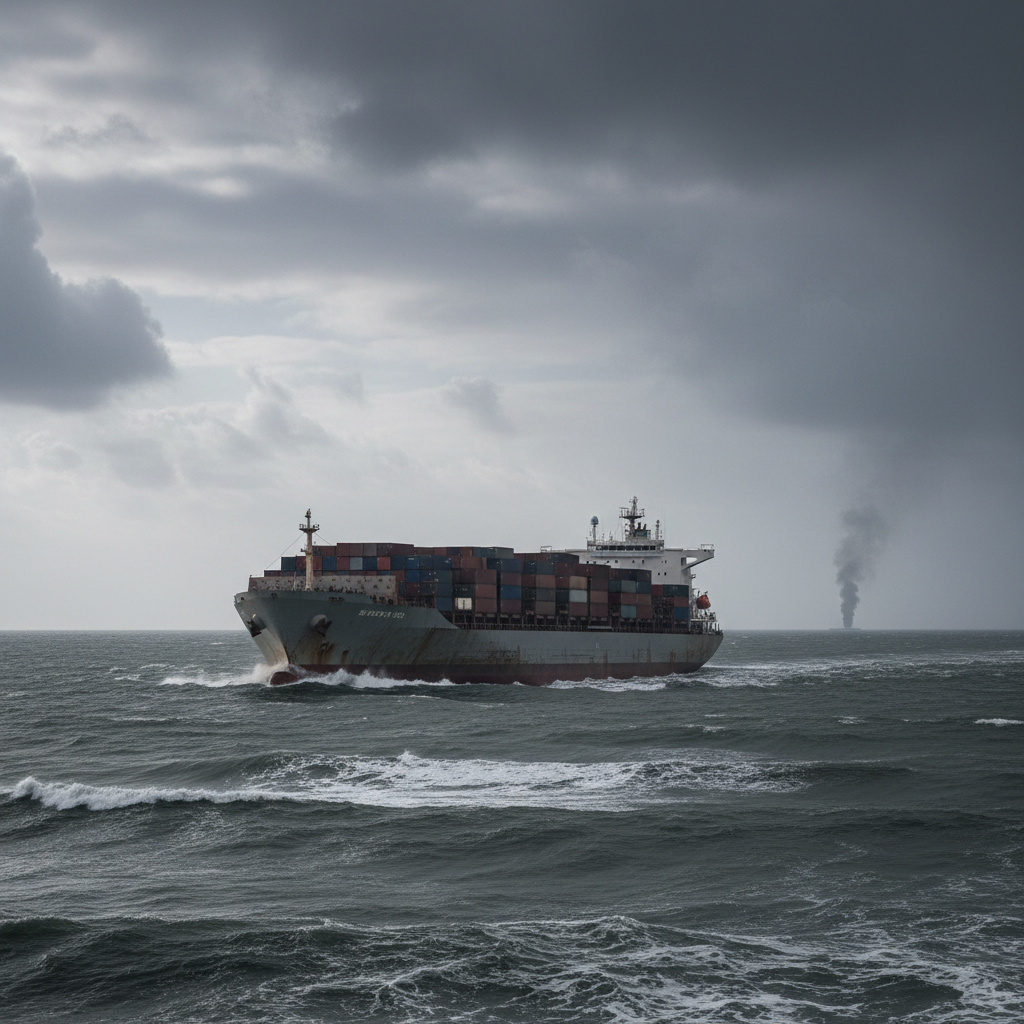
The recent announcement by Russia regarding strikes on three cargo vessels in the Black Sea marks a significant escalation in the ongoing geopolitical conflict, directly impacting the safety and viability of maritime operations in the region. This incident, alongside reported attacks on two electricity substations, underscores a deliberate strategy to disrupt infrastructure and commercial activity, extending the conflict's reach into critical supply chain arteries. For shippers, forwarders, and supply-chain managers, this development translates into an immediate and tangible increase in risk for any cargo traversing or destined for the Black Sea.
The primary lanes affected are those connecting Ukrainian ports to global markets, particularly for agricultural commodities and other essential goods. While the specific cargo of the vessels reportedly hit was described as military goods, the precedent set by targeting any commercial vessel, regardless of its manifest, casts a long shadow over all maritime traffic. This creates an environment of extreme uncertainty, where the distinction between military and civilian targets can become blurred in practice, or where commercial vessels are perceived as potential collateral damage. The immediate consequence is a heightened threat of direct attack, seizure, or diversion, making routine voyages through the Black Sea perilous.
Facilities in and around the Black Sea, particularly those in Ukraine, face indirect but severe operational challenges. Even if ports themselves are not directly hit, the targeting of critical infrastructure like electricity substations can cripple port operations, logistics networks, and hinterland connections. This can lead to delays, diversions, and ultimately, a reduction in throughput capacity. Shippers must now factor in not just the risk of vessel damage, but also the potential for port closures, cargo abandonment, or extended dwell times due to disrupted landside logistics and power outages. The incident reinforces the need for real-time intelligence and dynamic risk assessment for any supply chain stakeholder operating in or near this volatile region.
Soaring Insurance Premiums and Operational Costs
The direct targeting of commercial vessels, even those allegedly carrying military supplies, will inevitably lead to a sharp increase in war risk insurance premiums for voyages through the Black Sea. Insurers react swiftly to elevated threat levels, and such incidents are clear indicators of a deteriorating security environment. Shippers and carriers operating in this region have already contended with elevated premiums since the conflict began, but this latest development is likely to push those costs even higher, potentially making some routes economically unviable for certain types of cargo or commodities.
Beyond insurance, operational costs will also climb. Carriers may demand higher freight rates to compensate for the increased risk to their vessels and crews. This could manifest as war risk surcharges, or simply a general upward pressure on pricing for Black Sea routes. Furthermore, the need for enhanced security measures, such as armed guards or convoy escorts, if implemented, would add further layers of expense. The availability of vessels willing to undertake these voyages may also diminish, leading to capacity constraints and further rate hikes.
For supply chain managers, these rising costs are not merely an accounting entry; they represent a direct erosion of profit margins and a challenge to competitive pricing. Companies reliant on Black Sea trade, whether for sourcing raw materials or exporting finished goods, will need to re-evaluate their cost structures and potentially absorb these increases or pass them on to consumers, impacting market competitiveness. The financial implications extend beyond direct shipping costs, affecting the overall landed cost of goods and potentially triggering inflationary pressures for commodities heavily reliant on this trade route.
Diversion Strategies and Alternative Logistics
In response to the escalating risks and costs, shippers are compelled to explore and implement robust diversion strategies. The primary mode affected is maritime shipping, but the ripple effects will be felt across other transport modes as alternative routes are sought. Cargo that traditionally moved through Black Sea ports via ocean vessels may now be rerouted through land-based corridors, such as rail or road networks through neighboring countries. This shift, however, comes with its own set of challenges.
Alternative land routes, particularly through Eastern Europe, often suffer from capacity limitations, infrastructure bottlenecks, and longer transit times. Rail networks, while capable of moving large volumes, may require transshipment at border crossings due to different gauge systems, adding complexity and cost. Road transport offers flexibility but is generally more expensive per unit of cargo and has lower capacity. The increased demand on these alternative modes will inevitably lead to congestion, delays, and higher freight rates on these routes as well.
Shippers must also consider the implications for their supply chain networks. Rerouting cargo means re-evaluating lead times, inventory levels, and potentially renegotiating contracts with new logistics providers. For time-sensitive goods or those with tight delivery windows, the extended transit times associated with alternative routes could be critical. Furthermore, the shift away from established maritime routes could impact the viability of certain production or distribution strategies that relied on the efficiency and cost-effectiveness of Black Sea shipping. This necessitates a comprehensive review of logistics networks and a proactive approach to identifying and securing alternative transport solutions.
Long-Term Geopolitical Volatility and Supply Chain Resilience
The recent strikes in the Black Sea underscore a broader trend of increasing geopolitical volatility impacting global supply chains. This incident is not an isolated event but rather a continuation of a pattern where military actions directly interfere with commercial maritime trade. Such actions erode confidence in international shipping lanes and highlight the vulnerability of global commerce to regional conflicts. For supply chain professionals, this necessitates a fundamental shift in how risk is assessed and managed.
The long-term implications include a potential re-evaluation of sourcing and distribution strategies to reduce reliance on politically unstable regions. Companies may accelerate efforts to diversify their supplier base, explore nearshoring or friend-shoring initiatives, and invest in greater inventory buffers to mitigate against sudden disruptions. The incident also reinforces the importance of robust contractual agreements that clearly define responsibilities and liabilities in the event of force majeure or war-related disruptions.
Ultimately, the Black Sea situation serves as a stark reminder that supply chain resilience is not just about managing natural disasters or economic downturns, but also about preparing for and adapting to geopolitical shocks. Shippers and logistics providers must invest in advanced risk intelligence, scenario planning, and agile operational frameworks to navigate an increasingly unpredictable global trade environment. The ability to quickly pivot, secure alternative routes, and manage heightened costs will be paramount for maintaining business continuity and competitive advantage in the face of persistent geopolitical challenges.
Conclusion & Strategic Insights
The targeting of cargo vessels in the Black Sea represents a critical escalation of geopolitical risk, demanding immediate and strategic adjustments from all supply chain stakeholders to mitigate severe operational and financial impacts.
- Elevated Risk Assessment: Shippers must conduct continuous, granular risk assessments for all Black Sea-related movements, factoring in direct attack potential and infrastructure disruption.
- Cost & Capacity Management: Prepare for sustained increases in insurance premiums and freight rates, actively exploring alternative modes and routes to manage capacity constraints and rising operational costs.
- Supply Chain Diversification: Accelerate efforts to diversify sourcing and distribution networks, reducing over-reliance on volatile regions and building greater resilience against geopolitical shocks.
Source: gCaptain — https://gcaptain.com/russia-says-it-hit-three-cargo-ships-in-black-sea/