
Summit Shipping Launches Weekly China-Red Sea Service with Eight 2,000 TEU Vessels
Summit Shipping Line's new China Red Sea Service (CRS) introduces a dedicated weekly container link, deploying eight 2,000 TEU vessels. This move signals a calculated re-engagement with a geopolitically sensitive trade lane, balancing inherent risks with the demand for direct Red Sea access.
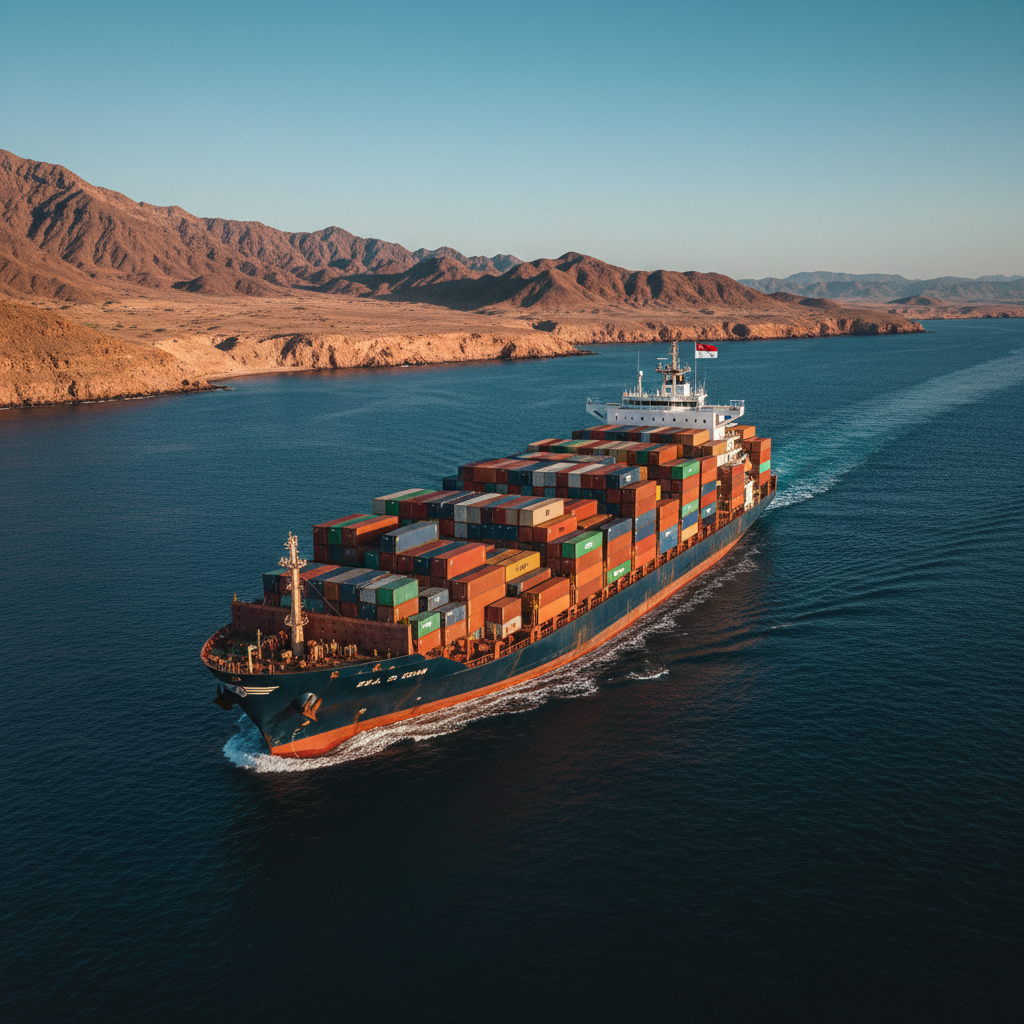
Summit Shipping's New Red Sea Commitment
Summit Shipping Line, a Singapore-based carrier, has announced the launch of its new China Red Sea Service (CRS). This initiative establishes a weekly container shipping connection between China and three major Red Sea ports. The service will deploy eight dedicated container vessels, each with a capacity of approximately 2,000 TEU. This announcement, made in late 2026, comes at a time when the Red Sea corridor has experienced considerable operational challenges due to geopolitical events. The decision to introduce a direct, weekly link suggests a strategic assessment by the carrier of both market demand and the operational viability within this complex environment. It indicates a willingness to commit resources to a route that has seen varying degrees of disruption, signaling either a perceived opportunity to serve specific customer needs or a response to existing shipper requirements for direct access.
Red Sea Route Dynamics and Trade Implications
The Red Sea serves as a critical artery for global trade, providing a direct connection between Asian markets and Europe via the Suez Canal. Geopolitical events in the region have frequently led to significant disruptions, compelling many vessels to reroute around the Cape of Good Hope. This diversion adds thousands of nautical miles to voyages, extending transit times by weeks. The consequences for trade and transport are substantial: increased fuel consumption, higher operational costs for carriers, and considerable delays in cargo delivery. Shippers face longer lead times, increased inventory holding costs, and reduced supply chain predictability. Furthermore, insurance premiums for vessels transiting the Red Sea typically rise, adding another layer of cost to the supply chain.
By offering a dedicated service, Summit Shipping aims to provide a direct alternative, potentially mitigating some of these extended transit times and associated costs for specific trade flows. The service offers a direct connection, which can be particularly valuable for shippers seeking to avoid transshipment delays or those with time-sensitive cargo destined for Red Sea markets. This approach attempts to restore a degree of predictability and efficiency for trade moving directly into the Red Sea, despite the prevailing operational complexities of the region.
Capacity and Market Strategy for 2,000 TEU Vessels
The deployment of eight vessels, each with an approximate capacity of 2,000 TEU, is a notable aspect of Summit Shipping's strategy. This vessel size is considerably smaller than the ultra-large container vessels typically utilized on major East-West trade routes. This choice carries several strategic implications:
Firstly, risk management is a key consideration. Smaller vessels represent a lower individual asset exposure to potential risks in a volatile region. This could be a deliberate strategy to spread operational risk across multiple, less valuable units rather than concentrating it in a single, larger vessel, which would incur higher potential losses in the event of an incident.
Secondly, port access benefits from this vessel size. The 2,000 TEU capacity may allow the service to call at smaller Red Sea ports that cannot accommodate larger ships. This could open up new market access or reduce reliance on potentially congested hub ports, offering a competitive advantage by providing direct service to previously underserved locations.
Thirdly, the focus on frequency and agility is evident. Eight vessels operating weekly suggests a priority on consistent, frequent service rather than maximizing volume per single sailing. This can appeal to shippers with regular, smaller volume shipments who prioritize reliability and shorter lead times over the absolute lowest per-TEU cost. Such a service model can offer greater flexibility in managing inventory and responding to market changes.
Finally, this service likely targets a specific market niche. It caters to shippers who value direct, consistent service to Red Sea destinations, even if it means a potentially higher per-TEU cost compared to indirect routes or larger vessel services that might reroute. This indicates a belief in sustained demand for direct Red Sea access despite the operational challenges, suggesting a calculated balance between risk and market opportunity.
Red Sea direct service balances risk and demand
Summit Shipping's new service signals a calculated re-engagement with the Red Sea trade lane, balancing inherent risks with specific market opportunity.
- The on-time performance and schedule reliability of the CRS service over its initial months.
- Any adjustments to insurance premiums specifically for vessels operating on this new route.
- The reported utilization rates of the eight 2,000 TEU vessels.
- Announcements from other carriers regarding new or expanded Red Sea services.
Source: Container News — https://container-news.com/summit-shipping-announces-new-china-red-sea-container-service/