
Strait of Hormuz Tensions: Navigating Geopolitical Risk in Maritime Supply Chains
Geopolitical tensions in the Strait of Hormuz, as highlighted by recent assertions from Iran, pose significant and evolving risks to global maritime trade. This brief examines the potential disruptions to critical shipping lanes and modes, the impact on key facilities, and strategic measures shippers can implement to enhance resilience.
The Geopolitical Context of the Strait of Hormuz
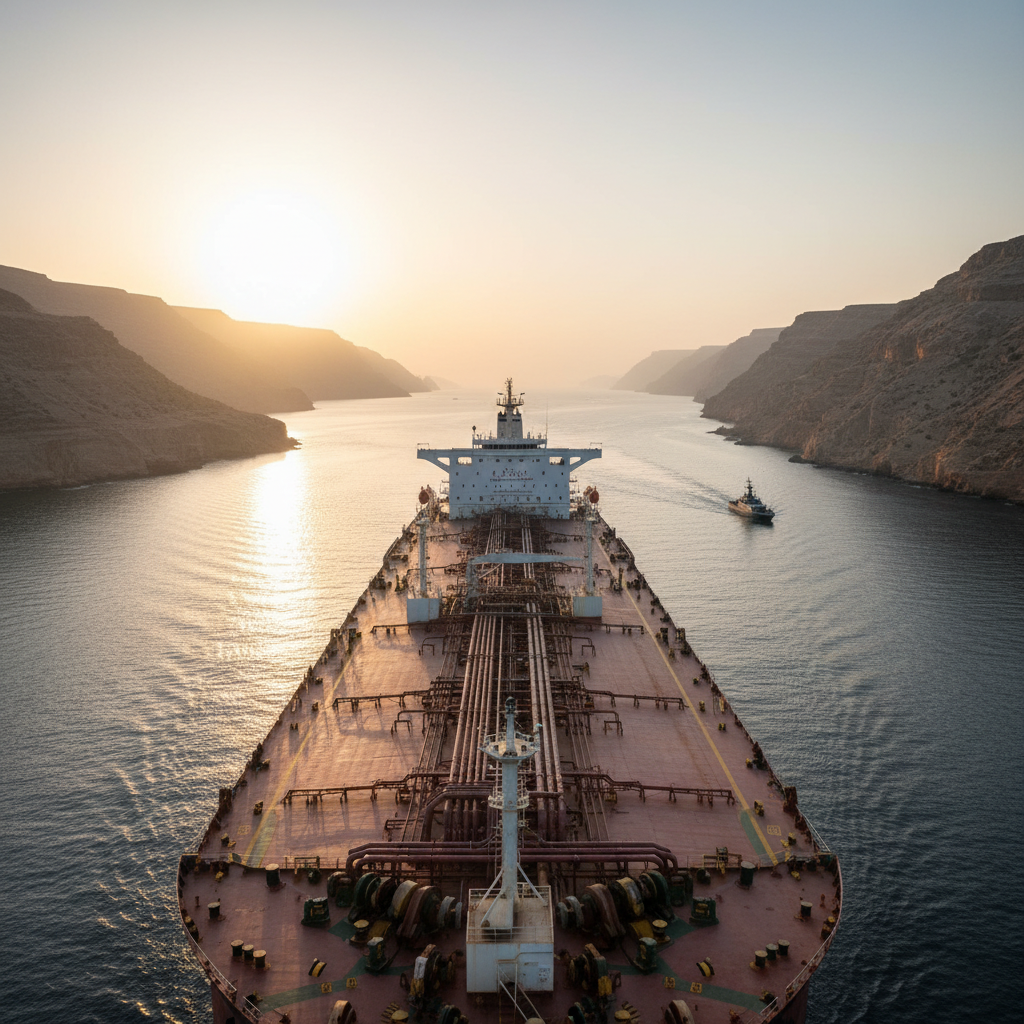
The Strait of Hormuz stands as one of the world's most critical maritime chokepoints, a narrow passage connecting the Persian Gulf to the open ocean. Its strategic importance cannot be overstated, particularly for the global energy market. Recent developments, specifically Iran's continuing assertion of control and issuing of warnings to vessel charterers regarding restrictions, underscore the volatile geopolitical landscape surrounding this vital waterway. Such pronouncements introduce a layer of uncertainty and risk that directly impacts the flow of international commerce.
The Strait is not merely a transit point; it is a nexus where regional politics, international energy demands, and global trade intersect. Any perceived escalation or enforcement of unilateral restrictions by a littoral state has immediate repercussions for maritime operations. The implications extend beyond the immediate vicinity, influencing global commodity prices, insurance premiums, and the broader stability of supply chains that rely on predictable and unhindered passage through this strategic artery. For supply chain analysts, these geopolitical maneuvers are not abstract political statements but tangible threats to operational continuity and cost efficiency. The ongoing dispute over the Strait's status and the right of passage necessitates a proactive approach to risk assessment and mitigation for all stakeholders involved in global trade.
Critical Trade Lanes and Maritime Modes Affected
The Strait of Hormuz is primarily known as the conduit for a substantial portion of the world's seaborne oil and liquefied natural gas (LNG) exports, originating from major producers in the Persian Gulf. Any disruption here would immediately impact crude oil tankers and LNG carriers, causing price volatility and potentially forcing longer, more expensive alternative routes, if available. However, its significance extends beyond energy. The Strait also serves as a crucial gateway for container ships, bulk carriers, and general cargo vessels moving goods to and from the economically vibrant Gulf Cooperation Council (GCC) states and beyond.
These vessels transport a diverse array of commodities, from manufactured goods and electronics to foodstuffs and raw materials, underpinning the economies of numerous nations. The primary maritime mode affected is, unequivocally, ocean shipping. The specific lanes impacted are those traversing the Strait itself, connecting major ports in the Gulf (e.g., Jebel Ali, Dammam, Doha) with global markets in Asia, Europe, and the Americas. Should restrictions intensify or become enforced, vessels would face delays, increased transit times, and potentially the need to reroute around the Arabian Peninsula, a significantly longer journey that adds thousands of nautical miles and substantial fuel costs. This not only burdens carriers but also translates into higher freight rates and extended lead times for shippers, impacting inventory management and customer commitments worldwide. The ripple effect would be felt across various industries dependent on timely and cost-effective maritime transport through this critical chokepoint.
Impact on Global Supply Chain Infrastructure
The immediate infrastructure impacted by heightened tensions in the Strait of Hormuz includes the numerous port facilities within the Persian Gulf. Major container terminals, oil export terminals, and industrial zones in countries like the UAE, Saudi Arabia, Qatar, Kuwait, and Bahrain are directly reliant on unimpeded access through the Strait. Any disruption could lead to congestion at these ports, as vessels face delays in entering or exiting, or are forced to wait for clarity on transit rules. This congestion can cascade, affecting port operations, cargo handling, and inland logistics.
Beyond the immediate port infrastructure, the broader global supply chain infrastructure is also vulnerable. Alternative pipelines exist for some oil exports, bypassing the Strait, but their capacity is limited and cannot fully compensate for a major disruption to tanker traffic. For non-oil cargo, there are virtually no viable land-based alternatives that can handle the volume currently transiting the Strait. This means that the entire ecosystem of global shipping, including major transshipment hubs outside the Gulf, could experience knock-on effects. For instance, if vessels reroute, they would place additional strain on facilities along alternative routes, such as those in the Red Sea or around the Cape of Good Hope, potentially leading to congestion and delays in those areas as well. Furthermore, the increased demand for insurance and security services in the region would add to operational costs, indirectly affecting the financial infrastructure supporting global trade. The vulnerability of this chokepoint highlights the interconnectedness of physical infrastructure with geopolitical stability.
Strategic Responses for Shippers and Carriers
In the face of escalating geopolitical risks in the Strait of Hormuz, shippers and carriers must adopt robust strategies to safeguard their supply chains. Proactive risk assessment is paramount, involving continuous monitoring of geopolitical developments and their potential impact on maritime routes. Diversification of sourcing and shipping routes, where feasible, can reduce over-reliance on a single chokepoint. While completely avoiding the Strait for Gulf-bound cargo is often impractical, exploring multi-modal options or alternative port entries further from the Strait, even if slightly less direct, could offer a degree of flexibility.
For cargo already in transit or planned for the region, contingency planning is crucial. This includes having clear protocols for rerouting vessels, managing potential delays, and communicating effectively with consignees and suppliers. Shippers should review their contracts with carriers to understand clauses related to war risk surcharges, force majeure, and rerouting costs. Engaging with freight forwarders who have established networks and experience in navigating complex geopolitical environments can also provide valuable insights and operational support. Furthermore, increasing inventory buffers for critical goods that frequently transit the Strait can help absorb short-term disruptions, though this comes with associated carrying costs. Ultimately, a flexible and agile supply chain, supported by comprehensive risk management frameworks, is essential for mitigating the impact of such unpredictable geopolitical events.
Leveraging Visibility for Geopolitical Risk Management
In an environment marked by heightened geopolitical tensions, the role of a robust shipment-visibility control tower, such as MGS, becomes indispensable. Real-time visibility is the cornerstone of effective risk management, allowing shippers to monitor the precise location and status of their cargo across all affected lanes and modes. With MGS, companies can gain immediate alerts regarding vessel deviations, delays, or changes in routing, which are critical when navigating areas like the Strait of Hormuz.
The platform's ability to aggregate data from multiple sources – including AIS, port systems, and carrier updates – provides a consolidated view of the entire supply chain. This comprehensive insight enables proactive decision-making. For instance, if a vessel is approaching the Strait during a period of elevated risk, MGS can flag potential issues, allowing supply chain managers to assess alternative options, communicate with carriers, or inform downstream partners about potential impacts. Furthermore, by tracking historical performance and current conditions, MGS can help identify patterns of disruption and inform future route planning and risk assessments. In scenarios where rerouting becomes necessary, the control tower can provide estimated new arrival times and track the revised journey, ensuring that stakeholders remain informed and can adjust their plans accordingly. This level of granular, real-time data empowers shippers to move from reactive crisis management to proactive risk mitigation, ensuring greater resilience and continuity in the face of unpredictable geopolitical challenges.
Source: The Maritime Executive — https://maritime-executive.com/article/iran-threatens-vessel-charterers-as-dispute-over-hormuz-continues