
Navigating the Storm: Weather's Unpredictable Impact on Global Cargo Movement
Unpredictable and increasingly extreme weather patterns are posing significant challenges to global supply chains. This brief examines how these disruptions affect key logistics lanes, facilities, and transportation modes, and outlines strategic measures shippers can implement, leveraging advanced visibility platforms, to enhance resilience and mitigate risks.
The Growing Volatility of Weather and Supply Chain Resilience
The global supply chain operates within an intricate web of interconnected systems, all of which are increasingly susceptible to the unpredictable forces of weather. From intensifying hurricanes and prolonged droughts to severe blizzards and extreme heatwaves, climatic events are no longer anomalies but rather consistent threats to the smooth flow of goods. These phenomena create a cascade of disruptions, leading to delays, increased costs, and compromised delivery schedules. The inherent volatility introduced by these weather patterns demands a fundamental shift in how businesses approach logistics and risk management. Resilience, therefore, moves from a desirable trait to an absolute necessity, requiring proactive strategies and real-time adaptability to navigate an ever-changing environmental landscape.
Historically, weather events were often localized and transient, allowing supply chains to absorb shocks with relative ease. However, the current trend indicates a rise in both the frequency and severity of extreme weather, impacting larger geographical areas and causing more prolonged disruptions. This escalation necessitates a comprehensive understanding of potential vulnerabilities across all facets of the logistics network. It's not just about avoiding a storm; it's about understanding how a distant weather event can ripple through the entire chain, affecting everything from raw material sourcing to final mile delivery. For shippers, this means moving beyond reactive problem-solving to embracing a predictive and preventative posture, safeguarding cargo and maintaining operational continuity amidst environmental uncertainty.
Key Lanes, Facilities, and Modes Under Threat
Weather's disruptive influence extends across every mode of transport and critical infrastructure, creating bottlenecks and delaying shipments. Understanding these specific vulnerabilities is crucial for effective mitigation:
-
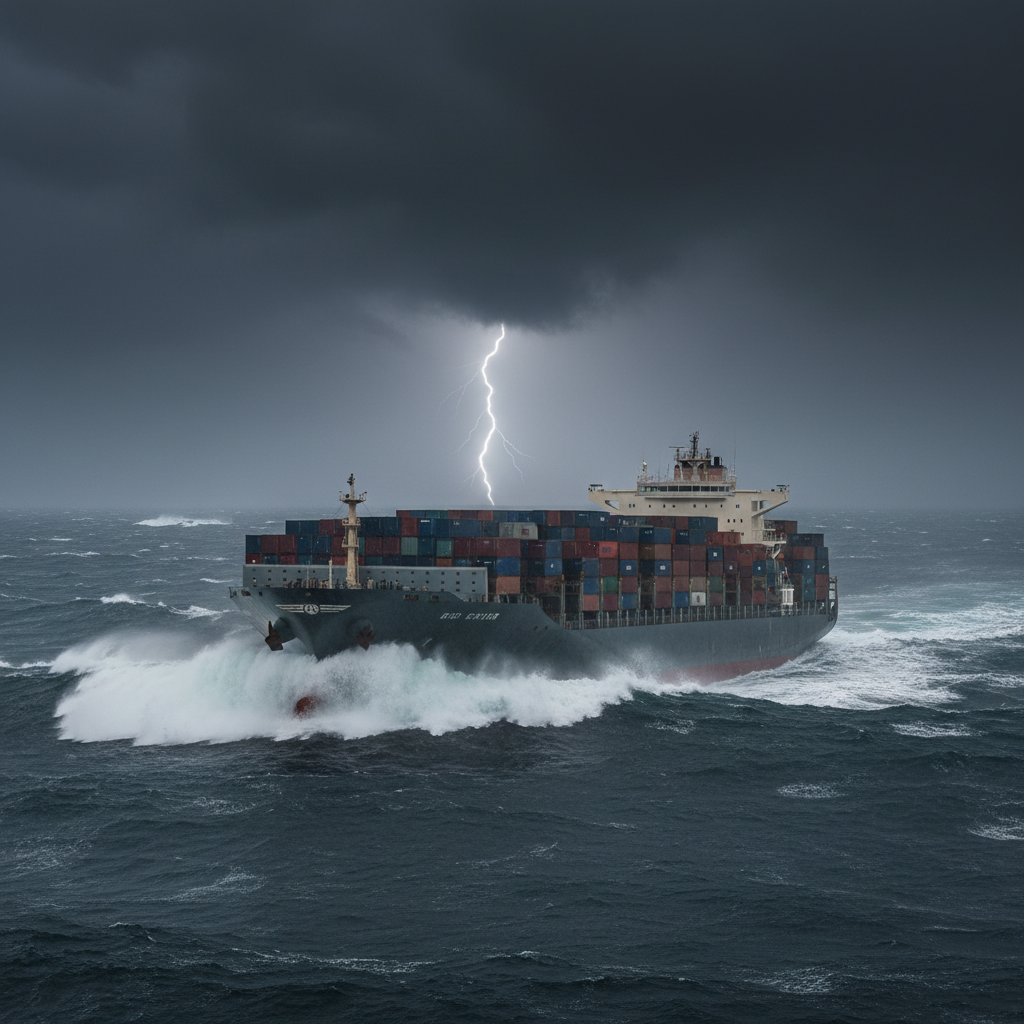
Maritime Shipping: Ocean freight, the backbone of global trade, is highly exposed. Major storms can lead to port closures, forcing vessels to reroute or anchor offshore, causing significant delays and accumulating demurrage charges. High winds and rough seas not only slow transit times but also pose safety risks to crew and cargo, potentially leading to damaged goods or even lost containers overboard. Fog can severely restrict navigation, particularly in critical chokepoints and harbor entrances, bringing operations to a standstill. Extreme temperatures can affect equipment performance, from engine cooling systems to cargo refrigeration units, impacting sensitive goods.
-
Air Cargo: Air freight, prized for its speed, is equally susceptible. Heavy snowfall, ice, or dense fog can ground flights, leading to airport closures and extensive backlogs. High winds can make takeoffs and landings hazardous, forcing diversions or cancellations. Thunderstorms, with their associated lightning and turbulence, necessitate flight path adjustments, consuming more fuel and extending travel times. On the ground, adverse weather can impede cargo loading and unloading operations, de-icing procedures, and ground transport to and from the airport, creating a ripple effect of delays through the air cargo network.
-
Road Freight: Trucking operations face a myriad of weather-related challenges. Flooding can render roads impassable, damage bridges, and isolate communities, cutting off vital supply routes. Heavy snow and ice create hazardous driving conditions, leading to accidents, road closures, and significant slowdowns. Extreme heat can cause road surfaces to buckle and place immense strain on vehicle engines and tires, increasing the risk of breakdowns. Reduced visibility due to fog or heavy rain further complicates transit, impacting delivery schedules and driver safety. These disruptions can lead to missed delivery windows, spoilage of time-sensitive goods, and increased operational costs.
-
Rail Transport: While often seen as a robust mode, rail is not immune. Flooding can wash out tracks, destabilize embankments, and damage signaling systems, necessitating extensive repairs and diverting traffic. Extreme heat can cause steel tracks to expand and buckle, imposing speed restrictions to prevent derailments. Heavy snow and ice can freeze switches, impede train movement, and disrupt power lines for electrified routes. These events lead to substantial delays, rerouting complexities, and can strand cargo for extended periods.
-
Logistics Facilities: Warehouses, distribution centers, and intermodal hubs are also at risk. Severe weather can cause power outages, disrupting automated systems, lighting, and climate control. Flooding can damage inventory and infrastructure, while high winds can compromise building integrity. Access roads to these facilities can become impassable, preventing inbound and outbound shipments, effectively halting operations and creating bottlenecks in the supply chain.
Strategic Responses for Shippers in a Weather-Wary World
Mitigating the impact of weather disruptions requires a multi-faceted approach, integrating technology, strategic planning, and operational flexibility. Shippers must move towards a proactive stance, leveraging insights to anticipate and circumvent potential issues.
Firstly, proactive monitoring and real-time visibility are paramount. A sophisticated shipment-visibility control tower, such as MGS, becomes an indispensable tool. By integrating real-time weather data overlays with live tracking of shipments and asset locations, MGS provides an unparalleled holistic view of the supply chain. This allows shippers to identify impending weather fronts, understand their potential impact on specific lanes or facilities, and receive early warnings about potential disruptions.
Secondly, dynamic route optimization is critical. When a storm is forecast, an MGS platform can utilize predictive analytics to suggest alternative routes or transportation modes, allowing for swift adjustments before cargo is stranded. This might involve rerouting maritime vessels to avoid severe storms, switching from road to rail for overland segments during heavy snowfall, or diverting air cargo to less affected airports. The ability to model different scenarios and assess their impact on delivery times and costs empowers shippers to make informed decisions rapidly.
Thirdly, diversification and strategic inventory management play a crucial role. Relying on a single sourcing location, manufacturing plant, or distribution hub significantly amplifies risk. By diversifying these points, shippers can create redundancy, enabling them to shift operations or pull inventory from unaffected locations when one area is compromised by weather. Maintaining strategic buffer stocks at key distribution points, informed by MGS's insights into historical weather patterns and their impact, can help absorb short-term disruptions without immediately impacting customer deliveries.
Fourthly, fostering strong communication and collaboration with logistics partners, carriers, and customers is essential. An MGS platform facilitates this by providing a single source of truth regarding shipment status and potential delays. Transparent communication allows all stakeholders to adjust expectations, coordinate alternative plans, and minimize the downstream impact of disruptions. For instance, if a port is closed due to a hurricane, MGS can immediately notify all affected parties, enabling them to prepare for delays or arrange for alternative port calls.
Finally, robust contingency planning is the bedrock of resilience. Shippers should develop detailed playbooks for various weather scenarios, outlining clear protocols for decision-making, communication, and operational adjustments. These plans should be regularly reviewed and updated, informed by lessons learned from past events and insights gained from advanced visibility platforms. By combining technological foresight with strategic preparedness, shippers can transform weather-related challenges into opportunities for operational excellence and sustained customer satisfaction, ensuring cargo continues its journey even when the skies turn grey.
Source: Marine Insight — https://www.marineinsight.com/eight-u-s-marines-injured-in-iranian-missile-strike-on-ship-in-strait-of-hormuz/?utm_source=rss&utm_medium=rss&utm_campaign=eight-u-s-marines-injured-in-iranian-missile-strike-on-ship-in-strait-of-hormuz