
Strait of Hormuz Tanker Fires: Navigating Geopolitical Disruption in Global Supply Chains
Four oil tankers caught fire and exploded in the Strait of Hormuz, creating a significant disruption at a critical maritime chokepoint. This incident demands immediate attention from shippers, impacting global energy flows and necessitating robust visibility strategies to mitigate risks.
Overview of the Disruption
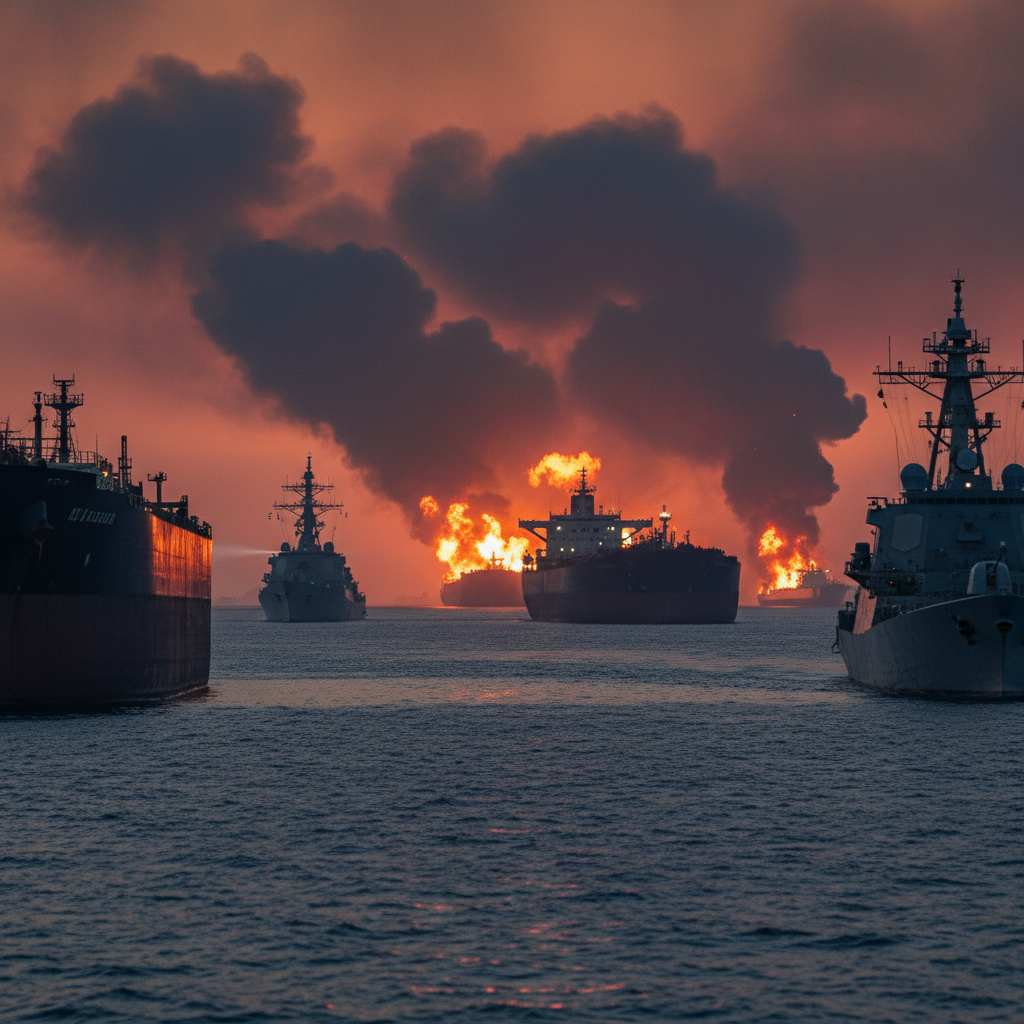
While the focus of supply chain analysis often turns to meteorological events and their impact on cargo movement, the current landscape presents a different, equally formidable challenge: geopolitical incidents. On October 30, a critical event unfolded in the Strait of Hormuz, underscoring the severe vulnerability of global trade routes to non-weather-related disruptions. Reports indicated that four oil tankers caught fire and subsequently exploded, reportedly while attempting to traverse unauthorized routes. This incident, attributed by Iran’s Revolutionary Guards Navy to specific circumstances, immediately signals a high-stakes disruption for the global energy supply chain.
The Strait of Hormuz is not merely a shipping lane; it is arguably the world's most critical oil chokepoint, through which a substantial portion of the world's seaborne oil passes daily. Any incident, regardless of its cause – be it technical failure, accidental collision, or geopolitical tension – carries the potential for widespread repercussions. The fires and explosions involving four tankers represent a direct and immediate threat to the free flow of oil and gas, impacting not only the vessels directly involved but also creating a ripple effect across the entire maritime domain. For supply chain professionals, understanding the nature of such disruptions, even when they deviate from anticipated causes like adverse weather, is paramount for effective risk management and operational continuity. This event serves as a stark reminder that supply chain resilience must account for a broad spectrum of potential threats, extending far beyond environmental factors.
Affected Lanes
The immediate and most profoundly affected lane is the Strait of Hormuz itself. This narrow waterway connects the Persian Gulf to the open ocean, serving as the sole maritime passage for oil exports from major producers including Saudi Arabia, Iran, Iraq, Kuwait, Qatar, and the UAE. The incident involving four tankers directly compromises the safety and efficiency of transit through this vital chokepoint.
The disruption extends beyond the immediate vicinity of the incident. Vessels carrying crude oil, refined petroleum products, and liquefied natural gas (LNG) from Persian Gulf ports to markets across Asia, Europe, and North America are directly impacted. Shippers face immediate concerns regarding increased transit times due to potential security delays, heightened scrutiny, or even temporary closures or restrictions on specific routes within the Strait. While the source does not specify the duration of the disruption, any impediment here forces carriers and shippers to consider alternative, often longer and more expensive, routes. This could involve re-routing via the Cape of Good Hope for European and American markets, significantly increasing voyage times and fuel costs. Even if alternative routes are not taken, the perceived risk in the Strait will likely lead to higher insurance premiums and security surcharges, impacting the overall cost of goods. The incident highlights the fragility of reliance on single, critical maritime passages and the cascading effects when such arteries are compromised.
Affected Facilities
The impact of the tanker fires extends to a network of global facilities, both at the origin and destination points of the energy supply chain. At the origin, major oil export terminals and loading facilities situated along the Persian Gulf are directly affected. Ports in countries like Saudi Arabia, UAE, Kuwait, and Qatar, which rely heavily on the Strait of Hormuz for their exports, will experience immediate operational challenges. This could include delays in vessel arrivals and departures, congestion, and potential backlogs as shipping companies reassess safety protocols or await clearer guidance.
Further down the supply chain, destination refineries and import terminals worldwide, particularly those heavily reliant on crude oil from the Persian Gulf, will face potential supply shortfalls or delays. This necessitates a review of inventory levels and strategic reserves. Storage facilities, both upstream and downstream, may experience pressure as companies attempt to buffer against anticipated disruptions or manage unexpected surpluses/deficits. Bunkering facilities in the region, which provide fuel to transiting vessels, could also see reduced traffic or increased operational costs due to heightened security concerns and rerouting. The incident underscores the interconnectedness of global energy infrastructure, where a single event in a critical chokepoint can send ripples through a vast network of facilities.
Affected Modes
The primary mode of transport affected by the Strait of Hormuz incident is maritime shipping, specifically involving tankers. The source explicitly mentions "four oil tankers," making this the most direct and significant impact. Crude oil tankers, product tankers (carrying refined fuels), and potentially LNG carriers are all at risk when navigating this region. The incident directly affects the safety and viability of these vessels, leading to potential delays, rerouting, and increased operational costs.
While the immediate impact is on maritime transport, there can be indirect effects on other modes. For instance, any significant and prolonged disruption to seaborne oil supplies could theoretically increase demand for pipeline infrastructure or rail transport for energy commodities in certain land-locked regions or for internal distribution. However, given the global nature of oil trade and the specific chokepoint involved, the most profound and immediate consequences are felt within the deep-sea shipping sector. The incident particularly highlights the vulnerabilities inherent in the global fleet of large-capacity vessels that are indispensable for international energy trade. The sheer volume of cargo these tankers carry means that even a limited number of incidents can have disproportionately large impacts on global supply and pricing.
Shipper Recommendations
In the face of such unpredictable and high-impact disruptions, shippers must adopt proactive and resilient strategies. Firstly, diversification of routes and suppliers remains a cornerstone of risk mitigation. While the Strait of Hormuz is indispensable for Persian Gulf oil, exploring alternative sourcing options or pre-positioning inventory from other regions can reduce reliance on this single chokepoint. Secondly, rigorous inventory management is crucial. Shippers should review and potentially adjust safety stock levels for critical commodities, especially energy products, to build a buffer against potential supply shocks and extended transit times.
Furthermore, contractual vigilance is paramount. Shippers should carefully examine existing freight and insurance contracts for force majeure clauses, understanding their rights and obligations in the event of unforeseen disruptions. Renegotiating terms to include greater flexibility or enhanced risk coverage might be necessary. Staying abreast of geopolitical developments and regional security advisories is also essential. This involves subscribing to reliable intelligence feeds and maintaining close communication with carriers and logistics partners. Finally, developing robust contingency plans that outline clear decision-making frameworks and alternative actions for various disruption scenarios is critical. This includes pre-identifying alternative ports, carriers, or even modes of transport where feasible, to ensure business continuity.
The Role of Shipment Visibility (MGS)
In a volatile environment marked by incidents like the Strait of Hormuz tanker fires, a robust shipment visibility control tower platform like MGS becomes an indispensable tool for shippers. MGS provides real-time, end-to-end visibility into the movement of cargo, allowing shippers to track vessels, containers, and shipments as they navigate global supply chains. In the context of a chokepoint incident, this means immediate insight into which specific vessels are approaching, transiting, or have recently passed through the affected area.
Beyond simple tracking, MGS platforms offer proactive alerting capabilities. Shippers can configure alerts for vessels entering or departing high-risk zones, for deviations from planned routes, or for unexpected delays. This enables rapid identification of affected shipments and allows for immediate action. Furthermore, advanced MGS solutions facilitate scenario planning and impact analysis. By leveraging historical data and real-time information, shippers can model the potential impact of chokepoint closures or significant delays, helping to inform decisions on rerouting, inventory adjustments, or communication strategies. Finally, an MGS platform serves as a centralized communication hub, streamlining information flow between shippers, carriers, consignees, and other stakeholders. This ensures that all parties are working with the most current information, enabling coordinated responses and minimizing the downstream effects of disruptions on customer service and operational efficiency.
Source: gCaptain — https://gcaptain.com/irans-irgc-navy-says-four-tankers-catch-fire-in-strait-of-hormuz/