Standardizing Port Call Data: Insights from the Port of Rotterdam
How the Port Call Optimisation Guide aims to solve data fragmentation for more predictable and sustainable port operations.
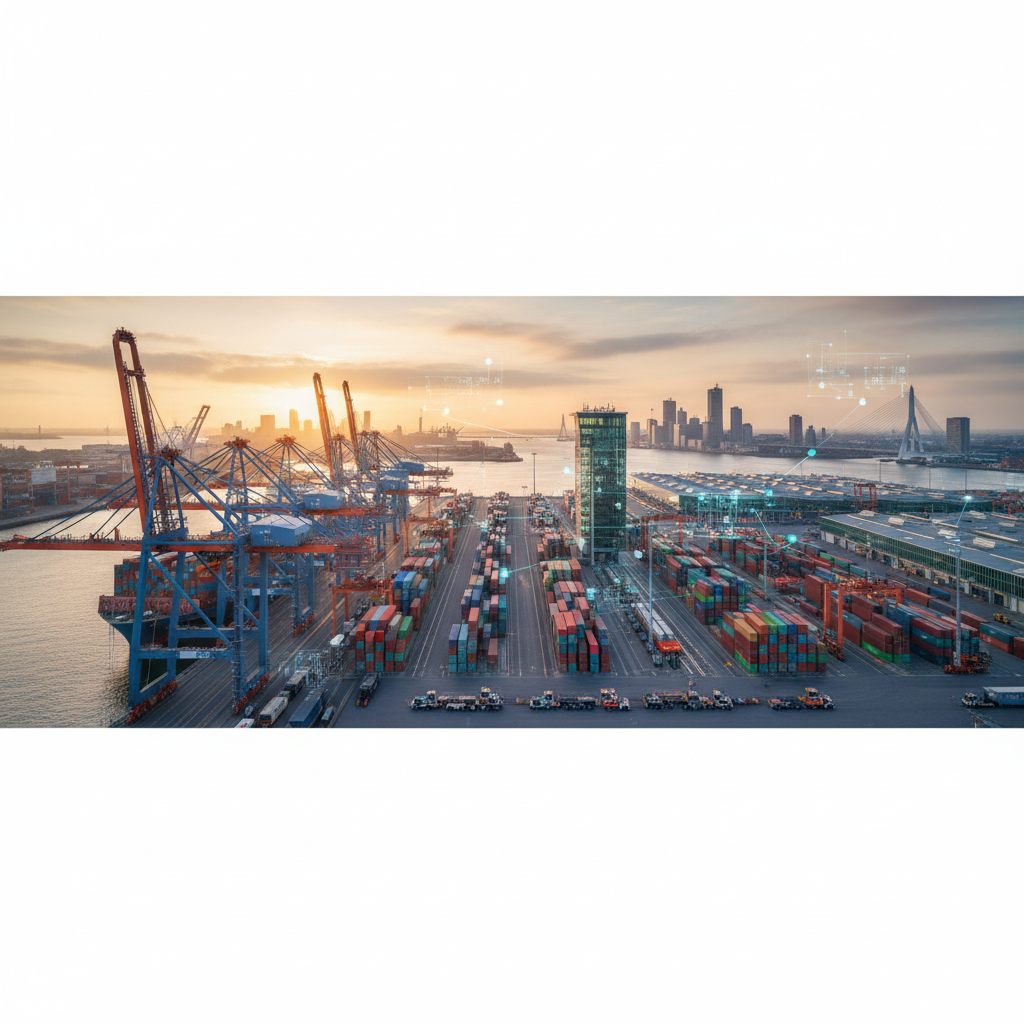
In our latest Insights feature, we highlight a critical development in maritime logistics: the Port Call Optimisation Guide. Released by the Port of Rotterdam in collaboration with the International Harbour Masters’ Association (IHMA) and the International Association of Ports and Harbors (IAPH), this initiative addresses a persistent pain point in global supply chains—the fragmentation of port call data.
Currently, planning for port calls is often hindered by information scattered across multiple sources, varying formats, and numerous stakeholders. This lack of standardization reduces predictability and complicates operational planning. The new guide proposes a unified approach, urging ports to provide a standardized minimum set of port call data. Crucially, this data must be accessible simultaneously to all SOLAS vessels and relevant stakeholders, ensuring a level playing field and improved coordination.
For supply-chain professionals, this shift toward standardized, real-time data access is significant. It promises to enhance the reliability of scheduling, reduce dwell times, and support more sustainable port operations by minimizing idle time and emissions. By aligning on a common data framework, the industry can move toward greater transparency and efficiency.
This video from the Port of Rotterdam offers a clear overview of these guidelines and their potential impact. It is essential viewing for anyone involved in maritime logistics, terminal operations, or fleet management who seeks to understand the next steps in port call optimization. As we build more robust visibility control towers, understanding these industry standards is key to integrating accurate, actionable data into your supply chain strategy.
Source: Port of Rotterdam (YouTube) — https://www.youtube.com/watch?v=j08S1vVAa6Q