
Resilience Over Speed: Navigating the 2026 E-commerce Logistics Shift
As global uncertainty rises, the September 2026 industry landscape reveals a critical pivot from pure speed to operational resilience, driven by regionalization and robotic last-mile pilots.
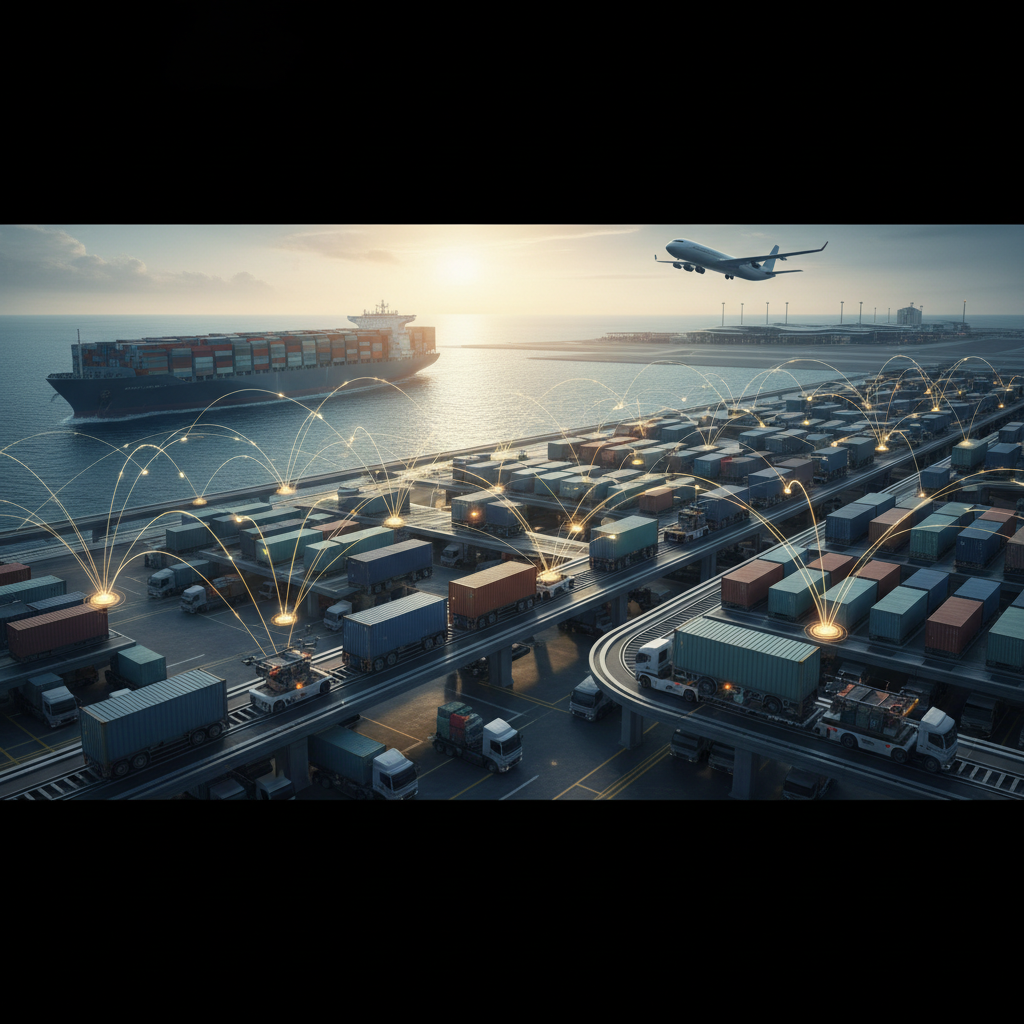
How this impacts the global supply chain
The logistics landscape in late 2026 is undergoing a fundamental structural shift, moving away from the hyper-globalized, just-in-time models that dominated the previous decade. The primary driver of this change is not merely technological advancement, but a growing sense of global uncertainty that has forced supply chain leaders to recalibrate their priorities. While speed remains a competitive differentiator, it is no longer the sole metric of success. Instead, resilience has emerged as an equally critical pillar of operational strategy. This shift is reshaping global supply-chain flows by encouraging a move toward regionalization. Rather than relying on long-haul, transcontinental routes that are vulnerable to geopolitical disruptions, port congestion, or pandemics, companies are increasingly building technology-enabled logistics networks that are more localized. This regional approach reduces the complexity of long-distance coordination and shortens the time it takes to respond to local demand spikes or disruptions. Furthermore, the integration of automation into these regional hubs is altering capacity dynamics. By embedding automation deeper into fulfillment centers, operators can maintain consistent throughput even when labor markets are tight or volatile. The last mile, traditionally the most fragmented and unpredictable segment of the supply chain, is also seeing significant operational changes. Pilots such as the one conducted by Pošta Slovenije in Ljubljaja, which tests assisted robotic delivery, indicate that the final leg of delivery is becoming more mechanized and predictable. This suggests a future where the global supply chain is less of a single, monolithic network and more of a series of interconnected, resilient regional ecosystems, each capable of operating with a degree of autonomy while remaining linked to broader global trade flows.
Global financial impact
The transition toward resilience and regionalization carries profound financial implications for shippers, carriers, and the broader trade ecosystem. Historically, the financial model of global logistics was built on minimizing transportation costs through economies of scale and long-distance consolidation. However, the new emphasis on resilience requires a different cost structure. Regionalization often involves duplicating infrastructure and inventory across multiple smaller hubs rather than concentrating it in a few large, centralized locations. This inevitably increases capital expenditure and holding costs. For shippers, this means a higher cost of goods sold (COGS) due to increased inventory levels, but it is offset by a reduction in the financial risk associated with supply chain disruptions. The cost of a stockout or a delayed shipment in an era of high consumer expectation is often far greater than the cost of holding additional safety stock in regional warehouses. For carriers, the financial impact is mixed. On one hand, the fragmentation of long-haul routes may reduce revenue from traditional ocean and air freight volumes. On the other hand, the rise of technology-enabled logistics networks creates new revenue streams in last-mile delivery, data services, and managed fulfillment. The pilot project by Pošta Slovenije highlights the potential for cost savings in the last mile, which is typically the most expensive part of the delivery process. By testing assisted robotic delivery, postal operators are exploring ways to reduce labor costs and increase delivery density. If successful, such innovations could significantly lower the per-parcel cost for carriers, allowing them to offer more competitive rates to shippers while maintaining margins. However, the initial investment in robotics and automation technology is substantial, requiring carriers to balance short-term capital outlays against long-term operational efficiencies. For trade at large, the financial impact is a move toward stability. While the overall cost of logistics may rise slightly due to regionalization, the reduction in volatility and disruption-related losses provides a more predictable financial environment for businesses engaged in international trade.
How MGS can help navigate today's global trade environment
In a supply chain environment characterized by regionalization, automation, and a heightened focus on resilience, visibility is no longer a luxury but a necessity. A shipment-visibility control tower like MGS plays a crucial role in helping operators navigate this complex landscape. By providing real-time, end-to-end visibility across multiple carriers and regions, MGS enables shippers to monitor the health of their supply chains and identify potential disruptions before they become critical issues. This is particularly important in a regionalized model, where shipments may involve multiple handoffs between different local carriers and fulfillment centers. MGS aggregates data from these various sources, providing a unified view of shipment status, location, and estimated time of arrival. This visibility allows operators to make proactive decisions, such as rerouting shipments to avoid congested areas or adjusting inventory levels in regional hubs based on real-time demand signals. Furthermore, as automation and robotics become more prevalent in the last mile, the integration of data from these new technologies into a central control tower becomes essential. MGS can help operators track the performance of robotic delivery pilots, such as the one in Ljubljana, by providing data on delivery times, success rates, and customer satisfaction. This data can be used to optimize the deployment of robots and identify areas for improvement. In an era where resilience is paramount, the ability to quickly assess the impact of a disruption and implement contingency plans is critical. MGS provides the data-driven insights needed to do this effectively, allowing operators to maintain service levels and customer satisfaction even in the face of global uncertainty. By transforming raw data into actionable intelligence, MGS helps shippers and carriers build more resilient, efficient, and responsive supply chains.
Source: Parcel and Postal Technology International — https://www.parcelandpostaltechnologyinternational.com/online-magazines/in-this-issue-september-2026.html