
Severe Winter Storm Paralyzes North American Rail and Inland Waterways
Extended severe winter weather across North America has brought widespread disruption to rail networks, frozen inland waterways, and significantly impacted trucking and air cargo operations. Shippers face critical delays and increased costs, highlighting the urgent need for enhanced supply chain resilience.
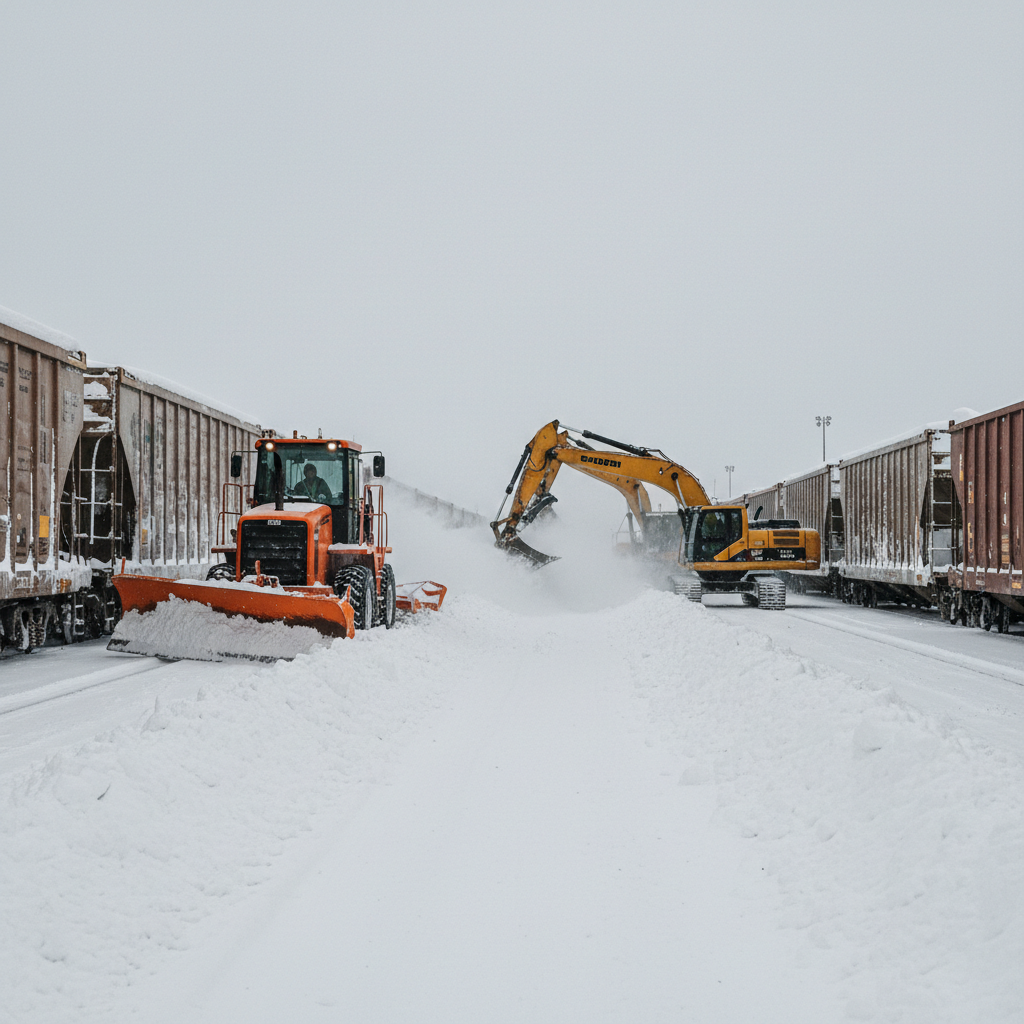
Persistent Winter Conditions Snarl North American Rail Operations
The recent extended period of severe winter weather across large swathes of North America has brought significant disruption to the continent's vital rail networks. Sub-zero temperatures, heavy snowfall, and ice accumulation have created a cascade of operational challenges, leading to widespread delays and service suspensions. Key rail hubs, particularly in the Midwest, have experienced severe congestion as switch failures due to freezing, reduced locomotive efficiency in extreme cold, and limitations on crew hours in hazardous conditions combine to slow down or halt movement.
Intermodal traffic, a cornerstone of transcontinental freight, has been particularly vulnerable. Containers are piling up at major terminals, exacerbating existing chassis shortages and creating bottlenecks that ripple through the entire supply chain. Bulk commodities, such as grain, coal, and chemicals, which rely heavily on rail for long-haul transport, are facing substantial delays in reaching processing plants and export terminals. The sheer volume of snow requires extensive clearing efforts, diverting resources and further impeding train schedules. Furthermore, the cold itself makes equipment more brittle and prone to mechanical failures, necessitating more frequent maintenance and reducing overall network capacity. Shippers relying on just-in-time inventory models are finding their schedules severely compromised, leading to production line slowdowns or even temporary shutdowns as critical components fail to arrive. The extended nature of this weather event means that even as localized conditions improve, the backlog of freight will take weeks, if not months, to fully clear, creating a persistent drag on freight velocity.
Great Lakes and Inland Waterways Face Extensive Ice Blockages
Beyond the rail network, North America's crucial inland waterways and the Great Lakes shipping lanes are grappling with unprecedented ice formation and prolonged freezing conditions. The sustained cold snap has led to thicker and more widespread ice coverage than typically observed, severely restricting navigation. On the Great Lakes, commercial shipping, which transports vast quantities of iron ore, coal, grain, and manufactured goods, has been significantly curtailed. Icebreaking operations, while ongoing, are struggling to keep pace with the rapid ice regrowth and the sheer scale of the affected areas. This has resulted in vessels being delayed for days, sometimes weeks, impacting delivery schedules for key industrial inputs and agricultural exports.
Similarly, major river systems like the Mississippi and Ohio Rivers, vital arteries for barge traffic, are experiencing significant disruptions. While not as prone to complete freezing as the Great Lakes, extensive ice floes and lower water levels in some sections due to reduced snowmelt have made navigation hazardous and slower. Barges carrying bulk materials, fertilizers, and petroleum products are facing extended transit times and increased operational costs as they navigate treacherous conditions or wait for icebreakers. The cumulative effect is a substantial slowdown in the movement of foundational commodities, creating upstream and downstream impacts for industries dependent on these cost-effective modes of transport. The seasonal nature of these waterways means that any prolonged disruption now will compress the shipping window available later in the year, potentially leading to capacity crunches and higher rates once conditions improve.
Road Networks Grapple with Hazardous Driving and Capacity Squeeze
The pervasive winter weather has also severely impacted road freight, the backbone of last-mile and first-mile logistics. Heavy snowfall, icy roads, and reduced visibility have led to widespread road closures, particularly across the Midwest and Northeast. Even where roads remain open, hazardous driving conditions significantly reduce average speeds, increase transit times, and elevate the risk of accidents. This directly affects driver productivity and adherence to hours-of-service regulations, further tightening an already constrained labor market.
The demand for trucking services typically spikes during severe weather events as other modes falter, but the available capacity simultaneously shrinks. Carriers face increased operational costs due to higher fuel consumption in cold weather, the need for specialized equipment (e.g., chains), and potential surcharges for hazardous routes. Retailers and manufacturers are experiencing delays in receiving inbound components and delivering finished goods, leading to stockouts and missed delivery windows. Perishable goods, in particular, are at heightened risk of spoilage due to extended transit times and potential failures in temperature-controlled environments. The cumulative effect is a significant increase in logistics costs and a reduction in the reliability of road transport, forcing shippers to explore alternative, often more expensive, options or simply endure the delays.
Air Cargo Ground Operations Face Widespread Delays and Diversions
While air cargo is often seen as a more resilient option for time-sensitive shipments, it is by no means immune to severe winter weather. Major air cargo hubs across North America have experienced significant disruptions due to heavy snowfall, ice, and extreme cold. Ground operations, including aircraft de-icing, cargo loading and unloading, and ramp movements, become significantly slower and more resource-intensive. This leads to widespread flight delays and cancellations, as airlines prioritize passenger safety and operational integrity.
The ripple effect extends beyond the affected airports. Flights are often diverted to alternative hubs, creating additional transit time and logistical complexities for onward movement. Cargo backlogs accumulate rapidly, especially for international shipments connecting through these hubs. Specialized cargo, such as pharmaceuticals, high-tech components, and express parcels, faces increased risk of delay, potentially impacting product efficacy or time-to-market. While air freight offers speed, its vulnerability to ground operational disruptions during severe weather highlights that no single mode is entirely immune, and the interconnectedness of logistics networks means a problem in one area can quickly cascade across others.
Proactive Resilience is the New Standard for Weather Events
The recent severe winter weather across North America underscores the critical need for shippers to build robust, weather-resilient supply chains. The widespread impact on multiple modes and key facilities demonstrates that traditional contingency planning may no longer be sufficient for the increasing frequency and intensity of extreme weather events.
- Actively monitor long-range and short-range weather forecasts to anticipate potential disruptions and pre-emptively adjust shipping schedules or inventory levels.
- Diversify transportation strategies by exploring alternative routes and modes, such as utilizing coastal shipping or less weather-prone rail corridors, even if at a higher cost, for critical shipments.
- Enhance inventory management by strategically positioning safety stock at multiple distribution points, particularly for high-value or time-sensitive goods, to mitigate the impact of transit delays.
- Collaborate closely with logistics partners to develop transparent communication protocols and joint contingency plans, ensuring rapid response and shared understanding during adverse weather events.
Source: The Maritime Executive — https://maritime-executive.com/article/centcom-mirrors-naval-blockade-with-iron-gate-for-iran-s-borders