
Red Sea Under Siege: Geopolitical Tensions Threaten Global Supply Chains
The Red Sea, a critical artery for international trade, faces escalating geopolitical risks as Saudi Arabia reportedly plans an offensive against Houthi militants. This brief examines the potential ramifications for global shipping lanes, key facilities, and transport modes, outlining strategic measures shippers can implement to navigate this volatile environment.
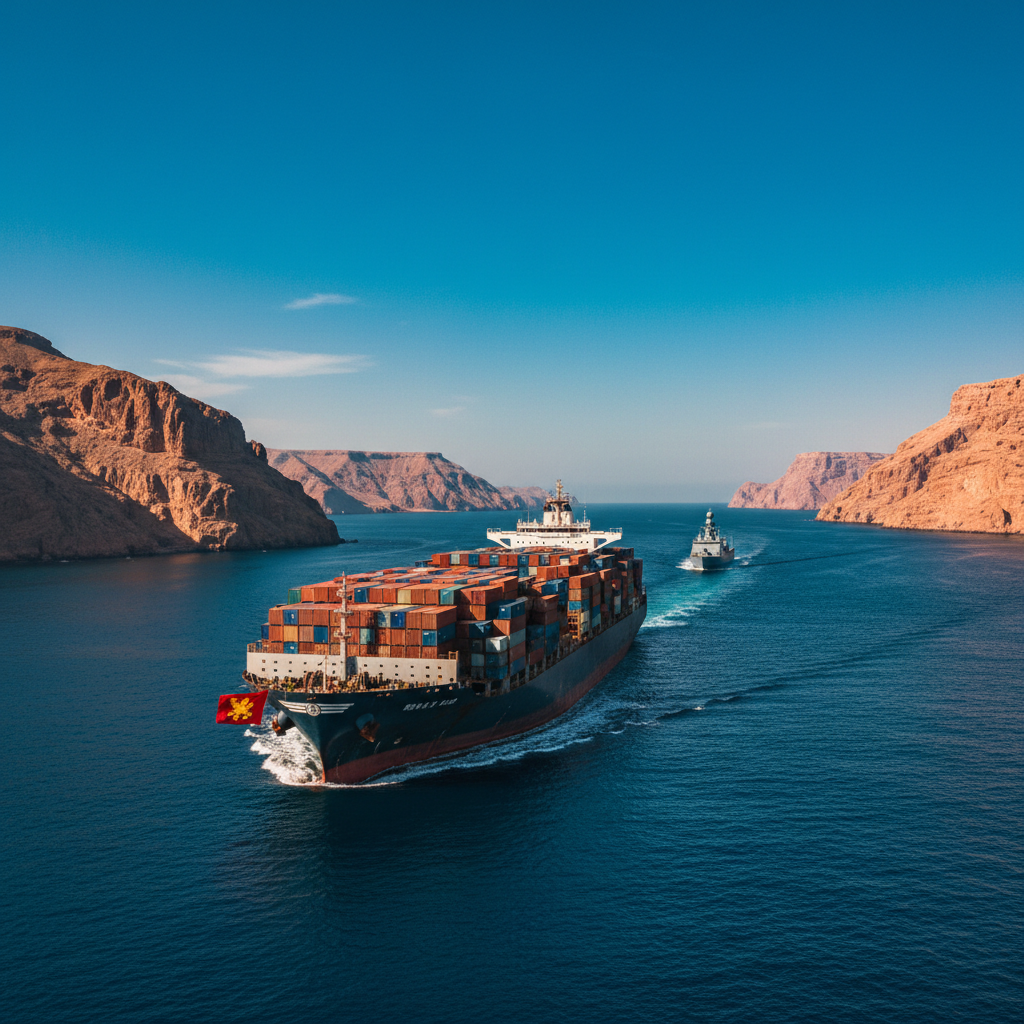
The Escalating Geopolitical Storm in the Red Sea
The global supply chain landscape is once again bracing for significant disruption, this time stemming from intensifying geopolitical tensions in the vital Red Sea region. Recent intelligence indicates that Saudi Arabia is contemplating a substantial military offensive against Iran-backed Houthi militants in Yemen. This potential action, which could involve a coastal push to secure the Red Sea shipping route or a broader multi-front assault, signals a critical escalation in a conflict that has long simmered on the periphery of major trade arteries.
The Red Sea is not merely a body of water; it is a strategic chokepoint, a maritime superhighway connecting the Suez Canal to the Indian Ocean and beyond. Its importance cannot be overstated, serving as a primary conduit for East-West trade, including a substantial portion of global oil and gas shipments, as well as containerized cargo. Any sustained instability or military engagement in this narrow waterway immediately sends ripples across international logistics networks, threatening to impede the free flow of goods and escalate operational costs for shippers worldwide. The planning of such an offensive underscores the severity of the threat perceived by regional and Western powers to the security of this indispensable maritime passage.
Critical Lanes and Routes Under Threat
The primary lane directly impacted by any military action or heightened security threat in the Red Sea is, naturally, the Red Sea itself. This waterway is integral to the Suez Canal route, which facilitates approximately 12% of global trade volume. A direct military confrontation, or even the persistent threat of attacks on commercial vessels, could render this route untenable for many carriers.
Should the Red Sea become too dangerous or economically unfeasible due to increased insurance premiums, security surcharges, or outright vessel diversions, the immediate alternative for East-West trade would be the significantly longer route around the Cape of Good Hope at the southern tip of Africa. This rerouting adds thousands of nautical miles and typically 10-14 days to transit times between Asia and Europe or the East Coast of North America. Such delays translate directly into higher fuel consumption, increased operational costs, and a substantial reduction in vessel capacity due to longer round-trip voyages. The ripple effect would be felt across global shipping schedules, leading to potential port congestion at destination hubs as vessels arrive off-schedule, and a tightening of available shipping capacity, which historically drives freight rates upwards. Furthermore, the extended transit through different climatic zones can also pose additional challenges for certain types of cargo, requiring more robust packaging or temperature control.
Impact on Maritime Facilities and Infrastructure
While the source material does not specify particular facilities, it is clear that ports and maritime infrastructure throughout the Red Sea region would be directly affected by any escalating conflict. Major regional ports such as Jeddah (Saudi Arabia), Aden and Hodeidah (Yemen), and Djibouti (Djibouti) serve as critical nodes for regional trade and transshipment. An active military conflict, especially one involving a "coastal push" as mentioned, could severely disrupt port operations. This disruption could manifest as:
- Port Closures or Restrictions: Direct conflict near port areas could lead to temporary or prolonged closures, impacting cargo loading, unloading, and onward movement.
- Reduced Port Efficiency: Increased security checks, naval presence, or personnel shortages due to conflict could drastically slow down port operations, leading to congestion and delays.
- Damage to Infrastructure: Physical damage to port facilities, cranes, or access roads could cripple operations for extended periods.
- Limited Access for Vessels: Shipping lines might avoid calling at ports in conflict zones due to safety concerns, insurance liabilities, or crew welfare issues, forcing cargo to be diverted to less efficient or more distant facilities.
Beyond the immediate conflict zone, the broader impact on facilities would include increased pressure on alternative ports, particularly those along the Cape of Good Hope route, which would experience a surge in traffic without necessarily having the existing infrastructure to handle the sudden increase in volume efficiently.
Modes of Transport Affected
The primary mode of transport under direct threat is maritime shipping. This encompasses a vast array of vessel types critical to global commerce:
- Container Ships: The backbone of manufactured goods trade, these vessels transport everything from electronics to apparel. Diversions or delays would impact delivery schedules for countless industries.
- Oil and Gas Tankers: The Red Sea is a crucial conduit for energy supplies from the Middle East to Europe and North America. Disruptions here could lead to spikes in energy prices and supply insecurity.
- Bulk Carriers: Transporting commodities like grain, iron ore, and coal, these vessels would also face rerouting challenges, affecting global commodity markets.
- Vehicle Carriers (Ro-Ro): Shipping new automobiles and heavy machinery, these would also be subject to the same risks and diversions.
While the immediate impact is on sea freight, significant and prolonged disruptions could have knock-on effects on other modes. For instance, extremely time-sensitive cargo that would normally travel by sea might be shifted to air cargo, leading to increased demand, higher air freight rates, and potential capacity constraints in that sector. However, for the vast majority of goods, the cost differential between sea and air freight makes this an unsustainable long-term solution, highlighting the irreplaceable role of maritime routes.
Strategic Responses for Shippers
In the face of such geopolitical volatility, proactive and informed decision-making is paramount for shippers. Here are key strategies to mitigate risks:
- Enhanced Route and Carrier Diversification: While the Red Sea offers the most direct route, shippers should actively explore and pre-plan for alternative pathways, such as the Cape of Good Hope. This includes understanding the cost implications, extended lead times, and potential changes in service levels from carriers. Engaging with multiple carriers that offer diverse route options can provide flexibility.
- Dynamic Inventory Management: Reviewing and potentially adjusting safety stock levels for critical raw materials and finished goods is crucial. Building a buffer can help absorb unexpected delays without halting production or impacting customer commitments. However, this must be balanced against increased warehousing costs.
- Proactive Communication and Collaboration: Maintain open and continuous dialogue with logistics partners, freight forwarders, and carriers. Demand regular updates on vessel movements, security assessments, and contingency plans. Collaborative planning can lead to more resilient supply chain designs.
- Comprehensive Risk Assessment: Regularly assess the geopolitical landscape and its potential impact on specific trade lanes. This involves not just monitoring news but also understanding the broader implications for insurance premiums, customs procedures, and regulatory changes in affected regions.
- Contractual Flexibility: Review existing contracts with carriers and suppliers to understand clauses related to force majeure, route deviations, and surcharges. Negotiate for greater flexibility where possible to adapt to unforeseen circumstances.
The Indispensable Role of Shipment Visibility Platforms
In an environment as volatile as the Red Sea conflict, a robust shipment visibility control tower platform like MGS becomes an indispensable asset for shippers. Its capabilities are uniquely suited to address the challenges posed by geopolitical disruptions:
- Real-time Tracking and Dynamic ETAs: MGS provides granular, real-time tracking of vessels, allowing shippers to monitor the exact location and status of their cargo. Critically, it can dynamically adjust Estimated Times of Arrival (ETAs) based on real-world events, including route diversions around the Cape of Good Hope, port congestion, or security-related delays. This immediate insight enables proactive planning and communication with downstream stakeholders.
- Proactive Alerting and Anomaly Detection: The platform can be configured to trigger automated alerts for critical events, such as vessels entering or departing high-risk zones, unexpected route deviations, or significant delays at transshipment hubs. This allows supply chain teams to react swiftly to emerging issues rather than discovering them retrospectively.
- Scenario Planning and Impact Analysis: MGS leverages historical and real-time data to facilitate scenario planning. Shippers can model the impact of different disruption scenarios – for example, comparing the cost and time implications of a Red Sea transit versus a Cape of Good Hope reroute – to make informed decisions about future shipments or adjust current ones.
- Enhanced Collaboration and Communication: By providing a single source of truth for shipment data, MGS streamlines communication among all supply chain partners. Shippers can share real-time updates with customers, suppliers, and internal teams, fostering transparency and managing expectations effectively during periods of uncertainty.
- Data-Driven Decision Making: Beyond immediate crisis management, the aggregated data from an MGS platform offers invaluable insights into carrier performance, route reliability, and the true cost of various disruptions. This intelligence can inform long-term strategic decisions, such as diversifying carrier portfolios or optimizing inventory strategies to build more resilient supply chains against future geopolitical shocks.
By providing unparalleled clarity and control over complex logistics operations, a shipment visibility control tower empowers shippers to transform potential crises into manageable challenges, ensuring business continuity even amidst the most turbulent geopolitical waters.
Source: gCaptain — https://gcaptain.com/saudis-plan-assault-on-houthis-to-break-red-sea-chokehold/