
Navigating the Storm: How Weather is Reshaping Global Cargo Movement and What Shippers Can Do
Extreme weather events are increasingly disrupting global supply chains, leading to significant delays, port congestion, and capacity strains. This brief explores the specific impacts on trade lanes, facilities, and transport modes, offering strategies for shippers to build resilience and maintain cargo flow amidst an unpredictable climate.
Executive Summary
The global supply chain is facing an unprecedented era of volatility, with weather-related disruptions emerging as a primary catalyst for delays and inefficiencies. While the overall availability of shipping vessels may not be the issue, the critical challenge lies in the increasing congestion that traps a significant portion of global capacity. Our analysis indicates that roughly 12% of global container ship capacity is currently ensnared in such bottlenecks. This Insight brief delves into how escalating weather phenomena—from severe storms to prolonged droughts—are impacting key trade lanes, paralyzing essential logistics facilities, and disrupting all major transport modes. We will also outline actionable strategies for shippers, emphasizing the pivotal role of advanced visibility platforms, like MGS, in mitigating these growing risks and ensuring cargo continuity.
The Growing Impact of Weather on Global Logistics
The climate crisis is no longer a distant threat; its immediate and tangible effects are profoundly reshaping the landscape of global logistics. We are witnessing a surge in the frequency and intensity of extreme weather events, including hurricanes, typhoons, blizzards, heatwaves, and droughts. These phenomena directly translate into operational challenges for supply chains, causing everything from sudden port closures and flight cancellations to road blockages and rail service interruptions. Unlike predictable seasonal shifts, the erratic nature of these events makes them particularly challenging to anticipate and plan for, leading to cascading delays that ripple across entire networks. This unpredictability exacerbates existing vulnerabilities, contributing significantly to the kind of widespread congestion that ties up valuable shipping capacity and strains infrastructure worldwide. The financial implications are substantial, encompassing increased demurrage and detention charges, expedited shipping costs, inventory holding costs, and potential revenue losses due to missed market opportunities.
Affected Lanes and Trade Routes
Weather-induced disruptions are not uniform; certain trade lanes and geographical regions are inherently more susceptible. The North Atlantic and Pacific routes, for instance, frequently contend with severe winter storms, generating high seas that force vessels to slow down or reroute, impacting transit times significantly. Tropical cyclone belts, including the Caribbean, Gulf of Mexico, and the Western Pacific (typhoon alley), regularly experience hurricane and typhoon activity, leading to immediate port closures, vessel diversions, and widespread damage to coastal infrastructure. Similarly, river systems crucial for inland navigation, such as the Mississippi in North America or the Rhine in Europe, are increasingly affected by extreme water levels—either too low due to drought, impeding barge traffic, or too high due to flooding, rendering passages unsafe. These disruptions don't just cause direct delays; they create a ripple effect, pushing cargo onto alternative, often less efficient, routes or modes, further straining capacity and driving up costs across the entire logistics ecosystem.
Impact on Key Facilities
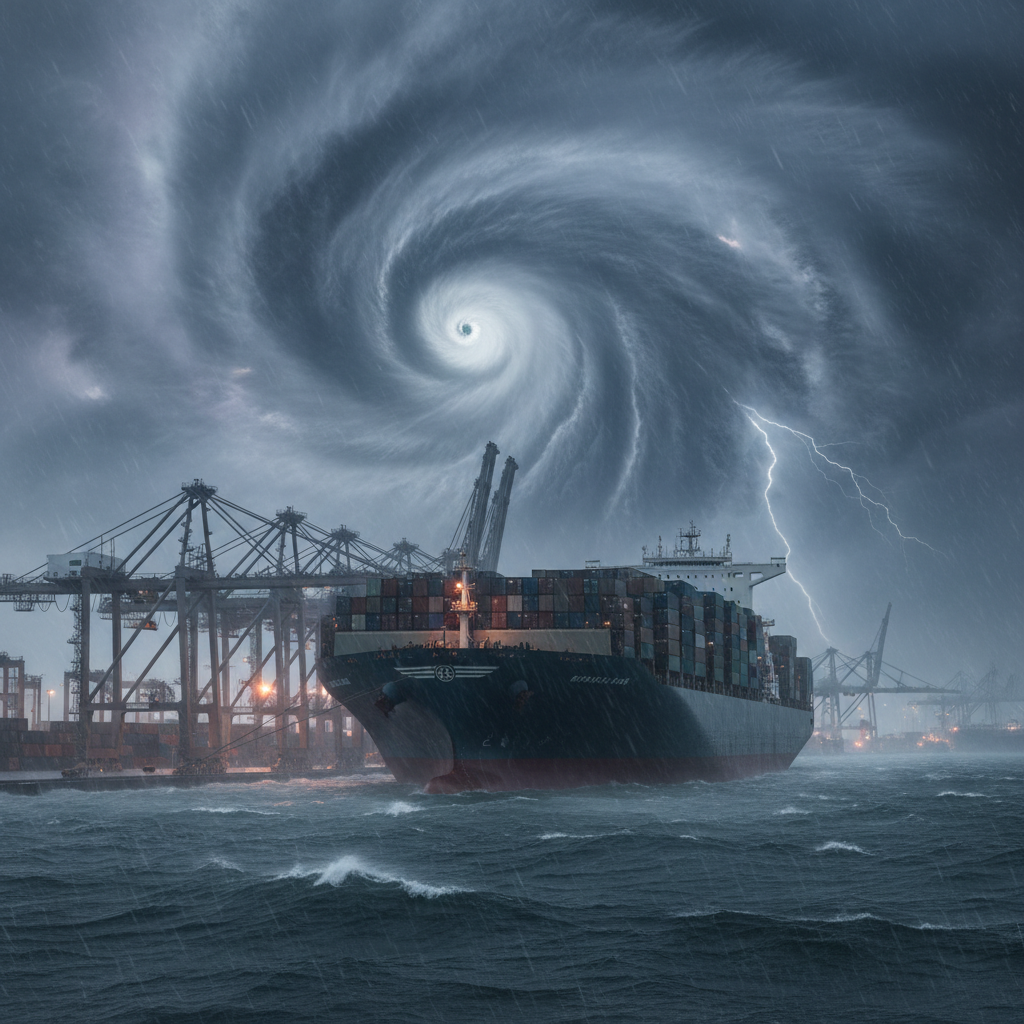
Logistics facilities, the vital nodes in any supply chain, are highly vulnerable to adverse weather. Ports and marine terminals are particularly exposed. High winds can force the suspension of crane operations, effectively halting container loading and unloading, while heavy rainfall can flood container yards, impede gate operations, and damage cargo. Coastal storms can lead to complete port closures, sometimes for days, resulting in a backlog of vessels waiting offshore, contributing directly to the kind of port congestion seen globally. Inland facilities, such as distribution centers and rail yards, also face significant challenges. Flooding can render access roads impassable, disrupt power supplies, and damage stored goods. Extreme temperatures, both hot and cold, can affect equipment performance, worker safety, and the integrity of temperature-sensitive cargo. These facility-level disruptions are critical choke points; when a major port or distribution hub is compromised by weather, the impact extends far beyond its immediate vicinity, creating widespread bottlenecks and exacerbating the overall strain on supply chain capacity.
Disruption Across Transport Modes
Weather's reach extends across all modes of transportation, each with its unique vulnerabilities:
-
Ocean Freight: This mode is perhaps the most directly impacted, as evidenced by the significant 12% of global container ship capacity currently caught in congestion, a situation often exacerbated by weather. Severe storms and high seas force vessels to alter course, reduce speed, or seek shelter, extending transit times. Fog can cause significant delays at port entrances and along busy shipping lanes. Ice in northern waterways can necessitate icebreaker escorts or render routes impassable. Port closures due to hurricanes or typhoons lead to immediate vessel backlogs and diversions, creating a domino effect of delays.
-
Air Cargo: Airports are highly sensitive to weather conditions. Heavy snow, ice, strong crosswinds, and thunderstorms can lead to flight cancellations, diversions, and ground delays. These conditions not only affect aircraft movement but also impact ground handling operations, cargo loading/unloading, and the movement of freight to and from the airport, causing substantial disruptions to time-sensitive shipments.
-
Rail Freight: Rail networks are vulnerable to a range of weather events. Heavy rainfall can cause track washouts and landslides, leading to line closures. Extreme heat can force speed restrictions to prevent rail buckling, significantly slowing down transit. Blizzards and ice storms can freeze switches, disrupt signaling, and impede train movement, requiring extensive clearing operations.
-
Road Freight: Trucking operations are highly susceptible to adverse road conditions. Heavy snow and ice make roads treacherous or impassable, leading to widespread delays and closures. Flooding can submerge routes, forcing lengthy detours. High winds can pose a significant danger to high-sided vehicles, particularly on bridges and open stretches, leading to restrictions or outright bans. These disruptions affect last-mile delivery, impacting inventory flow to distribution centers and retail outlets.
Strategies for Shippers to Mitigate Weather Risks
In the face of increasing weather volatility, shippers must adopt proactive and resilient strategies. A key enabler for these strategies is a robust shipment-visibility control tower like MGS. Here's how shippers can navigate the storm:
-
Enhanced Real-Time Visibility and Predictive Analytics: This is paramount. An MGS platform provides end-to-end real-time tracking of shipments across all modes and geographies. Crucially, it integrates weather data and predictive analytics, allowing shippers to anticipate potential disruptions before they occur. By overlaying real-time cargo location with dynamic weather forecasts, MGS can alert shippers to impending storms, port closures, or road conditions, enabling proactive decision-making rather than reactive crisis management. This foresight is invaluable for avoiding areas of developing congestion.
-
Diversification of Routes, Modes, and Partners: Relying on a single route, port, or carrier significantly amplifies risk. Shippers should actively develop and maintain relationships with multiple logistics providers and explore alternative routes and transport modes. For example, if ocean freight through a specific port is threatened by a hurricane, having pre-arranged air cargo options or alternative port access can be a lifesaver. MGS can help identify and evaluate these alternative pathways in real-time, leveraging its network intelligence.
-
Strategic Inventory Management and Buffer Stock: While lean inventory models are often preferred, the current climate necessitates a re-evaluation. Holding strategic buffer stock at key distribution points can help absorb short-term weather-induced delays without immediately impacting production or customer delivery. This requires a delicate balance, and MGS's data on historical transit times and disruption patterns can inform optimal buffer stock levels.
-
Robust Contingency Planning and Scenario Modeling: Shippers need to move beyond basic contingency plans. This involves developing detailed, pre-defined protocols for various weather scenarios, including alternative port calls, rerouting instructions, and emergency warehousing solutions. MGS platforms can facilitate scenario modeling, allowing shippers to simulate the impact of different weather events on their supply chain and test the effectiveness of various mitigation strategies.
-
Proactive Communication and Collaboration: Timely and transparent communication with logistics partners, carriers, and customers is crucial. When disruptions occur, MGS can serve as a central hub for sharing real-time updates, revised ETAs, and alternative plans, ensuring all stakeholders are informed. This collaborative approach fosters trust and enables quicker collective responses.
-
Data-Driven Decision Making: Leveraging historical data on weather patterns, past disruptions, and carrier performance, accessible through platforms like MGS, allows for more informed strategic planning. This data can help identify high-risk lanes, optimize shipping schedules, and even influence sourcing decisions to minimize exposure to weather-prone regions. By understanding patterns, shippers can build more resilient and adaptable supply chains, transforming potential crises into manageable challenges.
Source: gCaptain — https://gcaptain.com/port-congestion-ties-up-12-of-global-global-container-shipping-capacity/