
Navigating Turbulent Waters: Geopolitical Shocks and the Supply Chain
Geopolitical events are dramatically reshaping global cargo movement, leading to soaring costs, extensive route diversions, and significant pressure on supply chain resilience. This brief analyzes the cascading effects on trade and transport, highlighting the critical need for real-time visibility.
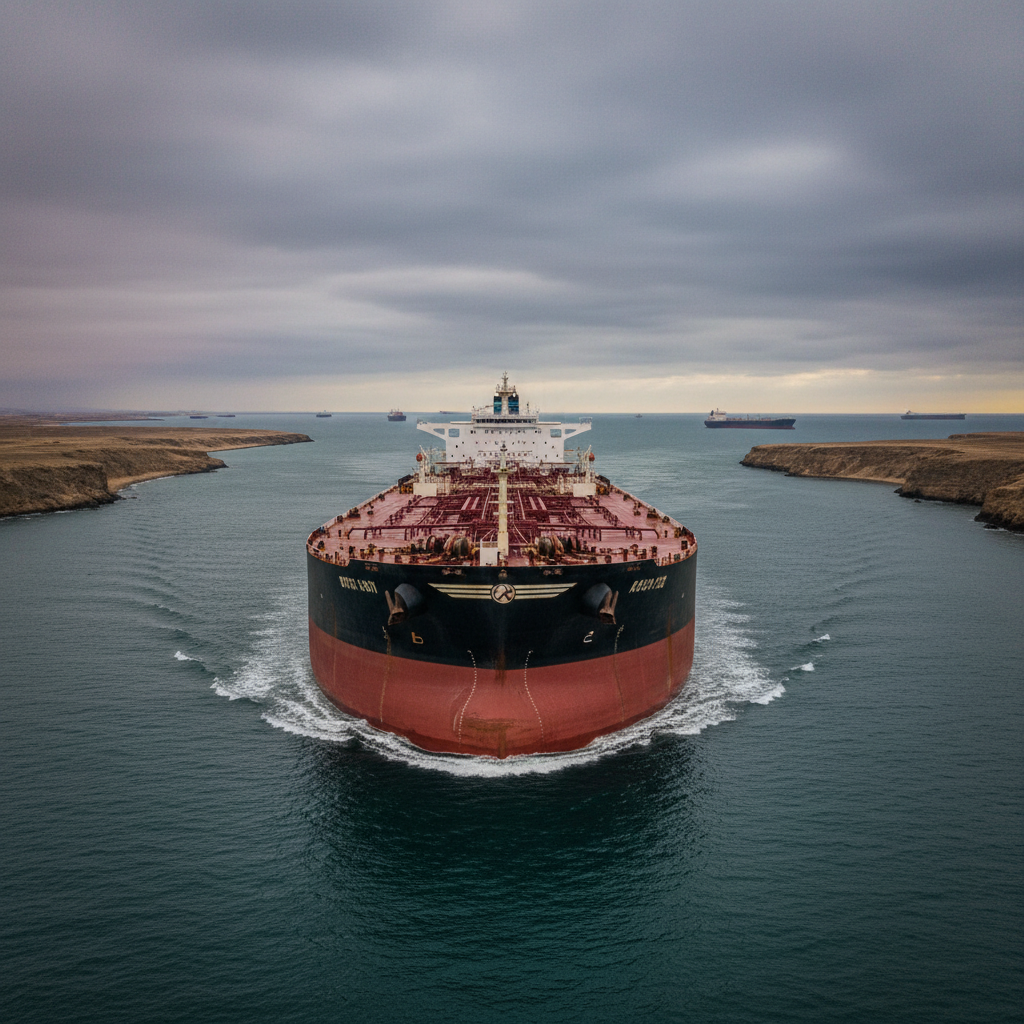
Geopolitical tensions are increasingly acting as a powerful force multiplier, introducing volatility and complexity into global supply chains. Far from isolated incidents, these events create ripples that impact everything from shipping routes and transit times to insurance premiums and commodity prices. For logistics professionals and cargo owners, understanding these shifts is paramount to maintaining operational continuity and mitigating financial exposure. This analysis delves into the tangible consequences for trade and transport, steering clear of political commentary to focus solely on the operational and economic ramifications.
Impact on Shipping Costs and Insurance Premiums
One of the most immediate and quantifiable consequences of heightened geopolitical risk is the dramatic increase in shipping-related costs, particularly insurance. Recent reports indicate that the cost of insuring an oil tanker loading from Saudi Arabia's primary Red Sea port has tripled in recent weeks. This isn't merely an incremental fee; it's a stark indicator of a significantly elevated risk perception among underwriters. Insurers factor in the increased likelihood of incidents such as attacks, seizures, or collateral damage in conflict zones, translating directly into higher premiums. For vital commodities like crude oil, these surging insurance costs are absorbed either by the shippers, leading to higher freight rates, or by the cargo owners, ultimately feeding into the commodity's market price. This precedent set in high-risk maritime corridors signals a broader trend where specific trade lanes or cargo types may face disproportionately higher operational expenses, making once-viable routes economically challenging.
Route Diversions and Transit Times
The escalating risks and prohibitive costs associated with navigating certain waterways compel shipping companies to seek alternative routes. For example, tensions in critical maritime chokepoints often lead to diversions around longer, safer passages, such as the Cape of Good Hope, bypassing historically efficient canals like the Suez. While offering greater security, these alternative routes significantly extend voyage distances and, consequently, transit times. A journey that once took weeks can now stretch into months, adding substantial delays to global supply chains. This extended time at sea translates directly into increased fuel consumption, higher operational expenditures for vessels (including crew wages and maintenance), and a disruption to meticulously planned shipping schedules. For businesses relying on just-in-time inventory models, these unforeseen delays can lead to stockouts, production halts, and missed delivery deadlines. An MGS shipment-visibility control tower becomes indispensable here, offering real-time tracking of diverted vessels, updated estimated times of arrival (ETAs), and the ability to proactively adjust downstream logistics and communicate delays to stakeholders, minimizing cascading disruptions.
Capacity Constraints and Equipment Utilization
The necessity of longer routes has a profound, yet often overlooked, impact on global shipping capacity. When vessels are tied up for extended periods on diverted voyages, their effective availability within the global fleet diminishes. A ship that previously completed ten round trips annually might now only manage seven or eight. This reduction in the number of voyages per vessel effectively shrinks the overall shipping capacity, even if the physical number of ships remains constant. The immediate consequence is a tightening of the market, leading to increased demand for available vessels and pushing up charter rates. This can be particularly acute for specialized carriers, such as oil tankers, where the fleet is less flexible. Furthermore, the longer transit times also impact the availability and repositioning of shipping containers, as they remain in transit for longer durations, exacerbating potential equipment shortages and further contributing to higher freight costs and longer lead times for booking shipments.
Supply Chain Resilience and Risk Management
Geopolitical disruptions serve as a critical stress test for the resilience of global supply chains. The current environment underscores the imperative for businesses to move beyond a singular focus on efficiency towards building robust, adaptable networks. Effective risk management becomes paramount, requiring companies to identify potential geopolitical flashpoints and assess their direct and indirect impacts on specific trade lanes, sourcing locations, and manufacturing hubs. Strategies for enhancing resilience include diversifying supplier bases, establishing multi-modal and multi-route contingency plans, and strategically building buffer stock to absorb shocks. An MGS shipment-visibility control tower plays a pivotal role in this paradigm shift. By providing comprehensive, real-time data and predictive analytics, it empowers organizations to anticipate potential disruptions, understand the immediate and downstream effects on their shipments, and activate alternative plans swiftly. This proactive capability transforms reactive problem-solving into strategic risk mitigation, safeguarding against unforeseen global events.
Commodity Prices and Inflationary Pressures
The cumulative effect of higher insurance premiums, increased fuel consumption from longer routes, and elevated freight rates due to reduced capacity inevitably filters down to commodity prices and contributes to broader inflationary pressures. For oil, as highlighted by the tripling of tanker insurance costs, the increased expense of transporting crude directly impacts the price of refined products such as gasoline, diesel, and jet fuel. Given oil's pervasive role across industries, this translates into higher operational costs for manufacturing, agriculture, and transportation sectors globally. Beyond oil, any commodity reliant on the affected shipping lanes will see its landed cost increase, contributing to a general rise in consumer prices. This inflationary spiral can erode purchasing power, dampen economic growth, and introduce instability into global markets, demonstrating how localized geopolitical events can have far-reaching economic consequences that affect every aspect of trade and transport.
Source: Maritime Professional — https://www.maritimeprofessional.com/news/tanker-insurance-triples-amidst-global-423200