
Navigating Turbulent Waters: Geopolitical Disruptions and the Cost of Cargo Movement
Geopolitical events are reshaping global trade routes, driving up costs, and demanding unprecedented agility from supply chains. This brief examines the tangible consequences for cargo movement, from rerouting and escalating operational expenses to the critical role of real-time visibility in mitigating disruption.
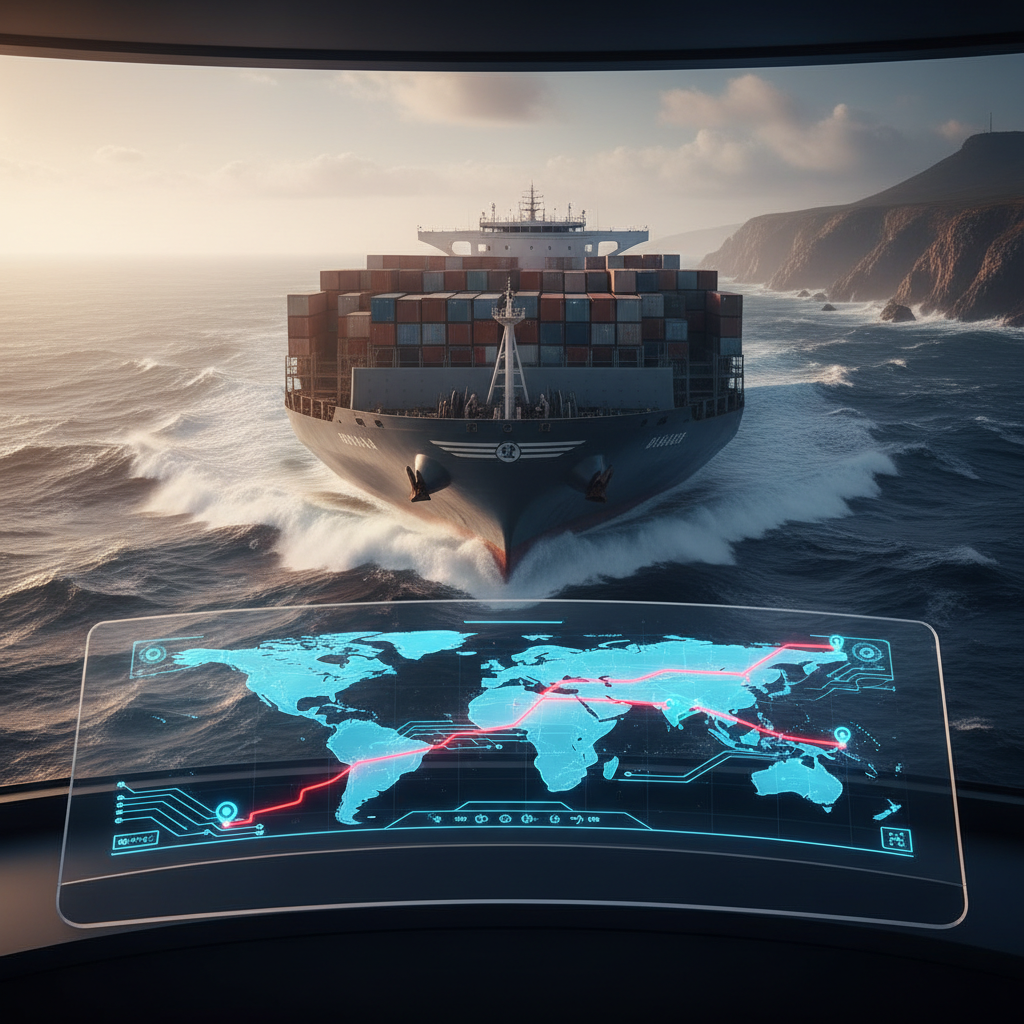
The global supply chain operates on a delicate balance, where the efficient movement of goods relies heavily on predictable routes and stable operating environments. However, a growing tide of geopolitical events is increasingly disrupting this equilibrium, forcing a fundamental reassessment of traditional logistics strategies. For a shipment-visibility control tower platform like MGS, understanding these shifts is not just about tracking cargo; it's about providing the intelligence needed to navigate an increasingly complex and costly landscape.
Rerouting and Extended Transit Times
One of the most immediate and visible consequences of geopolitical instability is the forced rerouting of cargo. When key waterways become high-risk zones or airspace is restricted, carriers must seek alternative paths, often adding thousands of nautical miles or significant flight hours to journeys. For maritime shipping, this frequently means bypassing critical chokepoints like the Suez Canal, compelling vessels to undertake the much longer voyage around the Cape of Good Hope. This extends transit times significantly, impacting delivery schedules, increasing lead times for goods, and creating a ripple effect across interconnected supply chains. Longer routes mean more time at sea or in the air, directly influencing fuel consumption, crew hours, and the overall utilization of transport assets. The predictability that underpins modern logistics is eroded, leading to greater uncertainty for manufacturers, retailers, and end-consumers alike.
Escalating Operational Costs
Geopolitical disruptions translate directly into substantial financial burdens for carriers and, subsequently, for shippers. The most prominent cost driver is often the surge in fuel prices, exacerbated by longer routes and broader market volatility. When vessels are forced to travel greater distances, their fuel consumption naturally increases, leading to higher operational expenditure. Beyond fuel, carriers face additional costs related to alternative land routes, which might be necessary to circumvent affected maritime or air corridors. These land-based options often come with their own set of logistical challenges and higher per-unit costs. The cumulative effect of these factors can be staggering, as evidenced by one major carrier incurring around US$600 million in additional costs due to recent Middle East conflicts. This figure underscores the immense financial pressure placed on the logistics sector, ultimately impacting the cost of goods for businesses and consumers.
Supply Chain Volatility and Inventory Management
Extended transit times and unpredictable disruptions introduce significant volatility into supply chains. Businesses that rely on just-in-time (JIT) inventory strategies find themselves particularly vulnerable, as delayed shipments can lead to production stoppages, stockouts, and missed sales opportunities. Conversely, the uncertainty can compel companies to hold larger buffer stocks, tying up capital in inventory and increasing warehousing costs. This shift from lean to more resilient, but potentially more expensive, inventory models is a direct consequence of geopolitical instability. The ability to accurately forecast arrival times and adapt to sudden changes becomes paramount for maintaining operational continuity and managing working capital effectively. Without clear visibility, managing inventory in such an environment becomes a costly guessing game.
Insurance Premiums and Risk Management
As geopolitical tensions escalate in certain regions, the perception of risk for cargo movement through or near those areas also rises. This heightened risk directly translates into increased insurance premiums for carriers and shippers. Insurers assess the likelihood of incidents – from piracy and conflict-related damage to delays and diversions – and adjust their rates accordingly. Operating in designated high-risk zones can incur war risk surcharges, significantly adding to the cost of transport. For some routes, the cost of insurance can become prohibitive, forcing carriers to avoid certain areas altogether or pass on substantial surcharges to their clients. This dynamic not only increases the financial burden but also influences route selection and the overall viability of trade through affected regions, creating a complex web of risk assessment and mitigation strategies that must be constantly updated.
Leveraging Visibility for Resilience
In this environment of heightened uncertainty and escalating costs, real-time shipment visibility is no longer a luxury but a critical necessity. An MGS control tower platform provides the granular data and predictive analytics needed to anticipate and react to disruptions effectively. By offering real-time tracking of vessels and cargo, updated estimated times of arrival (ETAs), and insights into potential chokepoints, businesses can make informed decisions. This includes dynamically rerouting shipments, adjusting inventory levels, communicating proactively with stakeholders, and optimizing resource allocation. The ability to monitor global events and their immediate impact on specific shipments allows for proactive problem-solving, minimizing the financial fallout from delays and diversions. In essence, a robust visibility platform transforms raw data into actionable intelligence, empowering supply chain professionals to build resilience and maintain operational flow even amidst geopolitical turbulence.
Source: Container News — https://container-news.com/middle-east-conflict-costs-hapag-lloyd-us600-million/