
Navigating the Storm: How Weather is Reshaping Global Shipping Lanes
Extreme weather events and persistent climate patterns are increasingly disrupting global cargo movement, forcing significant rerouting and escalating costs. This brief examines the impact, particularly on critical chokepoints like the Panama Canal, and outlines strategic responses for shippers.
Introduction
The global supply chain, a complex web of interconnected routes and facilities, is perpetually vulnerable to external shocks. Among these, weather-related disruptions are emerging as a consistently impactful and growing challenge. From sudden, severe storms to prolonged climatic shifts, meteorological phenomena are directly influencing the efficiency, cost, and reliability of cargo movement worldwide. Recent trends, particularly the notable increase in vessels opting for the arduous journey around South America, underscore the profound implications of these weather-induced pressures on key maritime arteries, most prominently the Panama Canal. This brief delves into how these disruptions manifest across various trade lanes, facilities, and modes, and critically, what proactive measures shippers can implement to safeguard their operations in an increasingly unpredictable environment.
The Impact of Weather on Global Trade Lanes
Weather's influence on global trade lanes extends far beyond mere inconvenience; it fundamentally alters operational parameters and strategic planning. Extreme weather events, such as hurricanes, typhoons, and severe winter storms, can lead to immediate port closures, vessel diversions, and significant delays. These events not only damage infrastructure but also create hazardous navigation conditions, forcing ships to seek shelter or alter courses, adding days or even weeks to transit times. Beyond acute events, persistent climatic patterns, such as prolonged droughts, have a more insidious yet equally devastating effect. These conditions can drastically lower water levels in critical inland waterways and major canals, imposing restrictions on vessel draft and daily transit slots. This forces carriers to either lighten loads, incur surcharges for priority passage, or, as increasingly observed, embark on significantly longer alternative routes. The cumulative effect is a cascading ripple throughout the supply chain, impacting everything from manufacturing schedules to retail availability.
Specific Lanes, Facilities, and Modes Affected
The most prominent example of weather-induced disruption currently reshaping global maritime logistics is the situation at the Panama Canal. Persistent drought conditions, a direct consequence of changing weather patterns, have led to historically low water levels in Gatun Lake, the primary reservoir feeding the canal's lock system. These low levels necessitate severe restrictions on the number of daily transits and the maximum draft allowed for vessels. For many large container ships, this means either offloading cargo onto smaller vessels for canal transit (a costly and time-consuming process known as 'lightening') or, more dramatically, choosing an entirely different route.
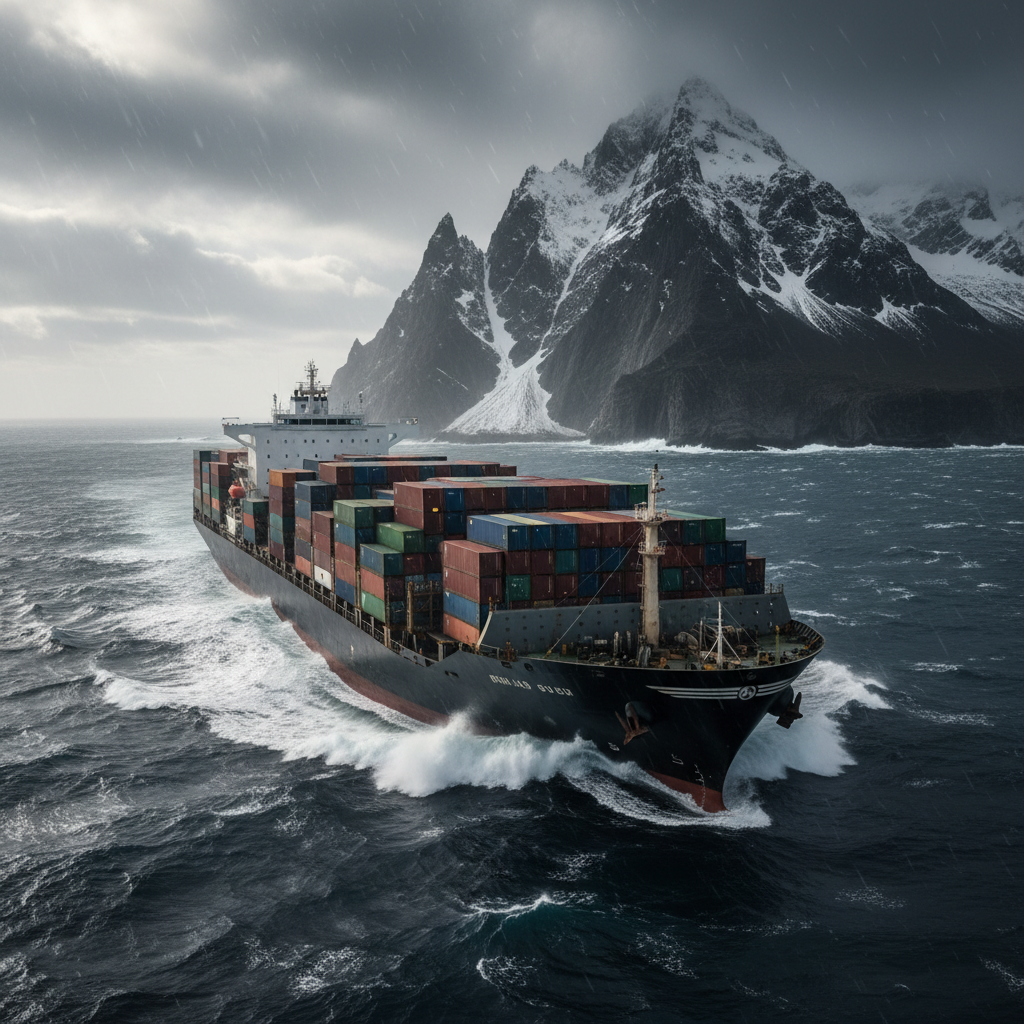
This has led to a significant increase in vessels rerouting around the entirety of South America. This alternative path, typically involving navigation around Cape Horn or through the Strait of Magellan, adds thousands of nautical miles and considerable time to a journey – often an additional 10 to 14 days, or even more, depending on vessel speed and specific destination. This extended voyage directly impacts the maritime shipping mode, leading to substantially higher fuel consumption, increased operational costs, and greater wear and tear on vessels. Furthermore, these longer routes often expose ships to more volatile weather conditions, including powerful storms and rough seas, which can further impede progress and increase safety risks.
While the Panama Canal is a key chokepoint, other critical facilities and lanes are also vulnerable. Ports, for instance, are directly affected by severe weather, leading to closures, congestion, and delays in cargo handling. Inland waterways can suffer from both low water levels (hindering barge traffic) and excessive flooding (disrupting intermodal connections). Air cargo operations are similarly susceptible to adverse weather, causing flight cancellations and rerouting, while rail and road networks can be compromised by heavy snow, floods, or extreme heat, impacting the efficiency of first and last-mile delivery.
The Financial and Operational Fallout
The consequences of these weather-driven disruptions are multifaceted and severe for shippers. Financially, the impact is immediate and substantial. Longer transit times around South America translate directly into significantly higher fuel costs, which carriers often pass on through surcharges. Insurance premiums can also rise for voyages through more hazardous waters. Furthermore, extended lead times necessitate higher inventory holding costs, tying up capital and increasing the risk of obsolescence for time-sensitive goods. For shippers on tight delivery schedules, the risk of demurrage and detention charges at congested or delayed ports also escalates.
Operationally, the fallout is equally challenging. Supply chain reliability is severely eroded, making precise planning and forecasting exceptionally difficult. Production schedules can be disrupted due to delayed inbound components, leading to manufacturing bottlenecks and potential line stoppages. Retailers face the risk of stockouts, lost sales, and diminished customer satisfaction. The unpredictability introduced by weather-related rerouting and delays creates a constant state of flux, demanding extraordinary agility and resilience from logistics teams. Moreover, the increased carbon footprint from longer voyages complicates corporate sustainability initiatives, adding another layer of concern for environmentally conscious enterprises.
Strategic Responses for Shippers
In the face of escalating weather-related disruptions, shippers must adopt a proactive and adaptive strategic posture. Firstly, route diversification is paramount. Relying solely on a single, vulnerable chokepoint is no longer a viable long-term strategy. Exploring alternative shipping lanes, even if seemingly less efficient under normal conditions, provides crucial contingency options. Secondly, multi-modal flexibility should be a core consideration. While not always feasible for trans-oceanic routes, leveraging sea-air, sea-rail, or rail-road combinations for certain segments of the journey can offer speed and resilience when traditional maritime routes are compromised. Thirdly, optimizing inventory strategies is critical. Building appropriate safety stock levels and strategically positioning warehouses can buffer against unexpected delays and prevent costly stockouts without excessively inflating holding costs. Fourthly, fostering strong carrier relationships can provide advantages, such as priority access to limited canal transits or better information flow during disruptions. Finally, and perhaps most importantly, data-driven decision-making is essential. The ability to access, analyze, and act upon real-time information is the bedrock of effective response.
MGS: Your Navigator in Turbulent Waters
This is precisely where a sophisticated shipment-visibility control tower like MGS becomes an indispensable asset. In an environment where weather can turn a meticulously planned journey into a chaotic detour, MGS provides the clarity and foresight needed to navigate these turbulent waters. Our platform offers real-time, end-to-end visibility across your entire supply chain, from origin to final destination. This means shippers can proactively monitor weather patterns globally and receive early warnings about potential disruptions affecting their specific routes or assets. When the Panama Canal faces restrictions, or a major storm threatens a port, MGS can immediately highlight which shipments are at risk.
Beyond mere alerts, MGS empowers dynamic scenario planning. Our platform allows logistics teams to model the cost and time implications of various rerouting options – for instance, comparing the cost of a Panama Canal surcharge versus the extended journey around South America. This data-driven insight facilitates rapid, informed decisions on alternative lanes or modes. Furthermore, MGS ensures seamless communication by keeping all stakeholders, from procurement to customer service, informed of delays, revised ETAs, and any changes to shipment plans. This transparency builds trust and reduces the operational burden of managing exceptions. By consolidating data from multiple sources, MGS also enables performance monitoring, helping shippers evaluate carrier reliability under adverse conditions and refine future procurement strategies. Ultimately, MGS transforms reactive firefighting into proactive risk management, providing the intelligence to maintain supply chain flow even when global trade lanes are under pressure from the elements.
Conclusion
The increasing frequency and intensity of weather-related disruptions represent a fundamental challenge to the stability and predictability of global supply chains. The surge in diversions around South America, driven by Panama Canal restrictions, serves as a stark reminder of this evolving reality. For shippers, the imperative is clear: embrace resilience through strategic planning, diversification, and, crucially, advanced technological solutions. By leveraging real-time visibility and predictive analytics, businesses can transform potential crises into manageable challenges, ensuring their cargo continues to move efficiently and reliably, no matter what the weather brings.
Source: The Maritime Executive — https://maritime-executive.com/article/report-south-american-diversions-jumped-as-panama-canal-restrictions-grew