
Navigating the Storm: How Weather is Reshaping Global Cargo Movement
Extreme weather events are increasingly disrupting global supply chains, impacting critical lanes, facilities, and transportation modes. This brief explores the pervasive effects of atmospheric volatility and outlines strategies for shippers to build resilience, leveraging advanced visibility platforms like MGS.
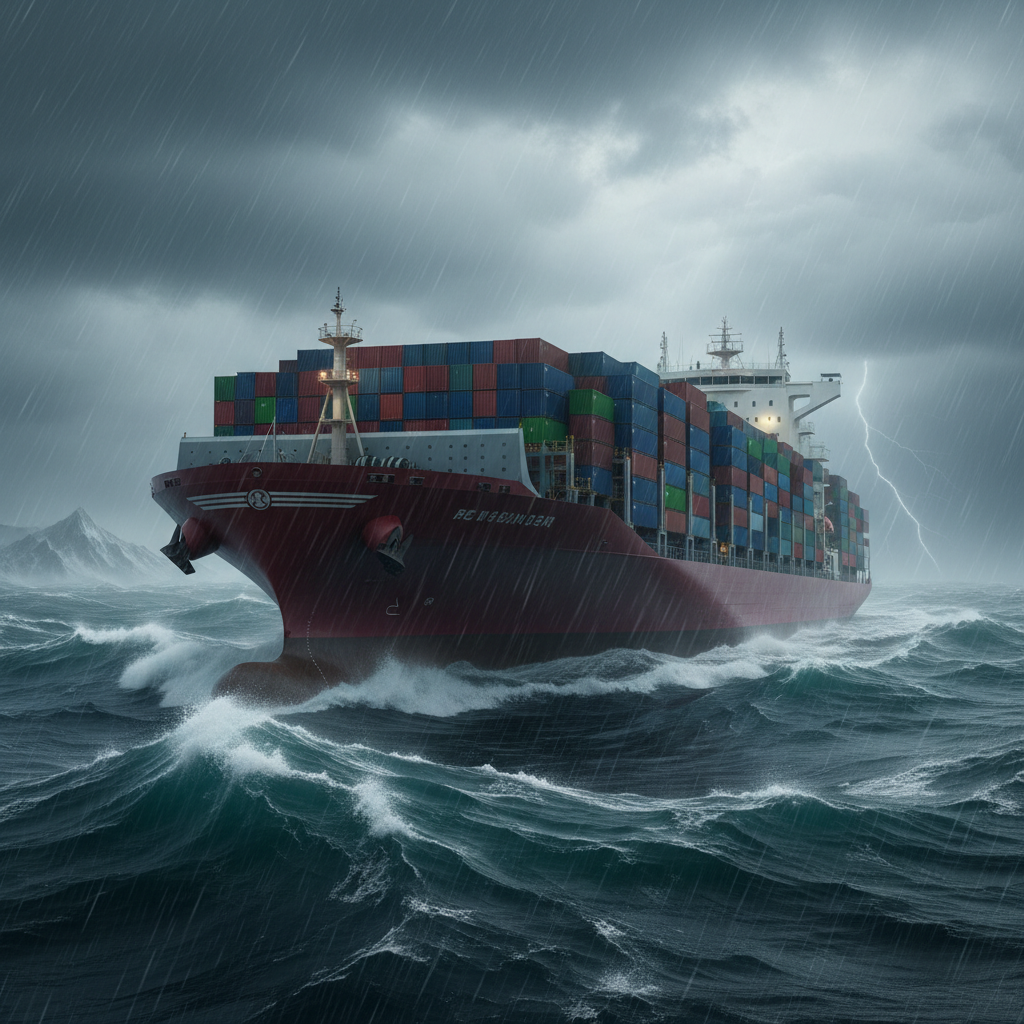
Introduction to Supply Chain Volatility
Global supply chains operate in an increasingly unpredictable environment, constantly contending with a myriad of disruptions that can halt cargo movement and impact delivery schedules. While geopolitical tensions and security incidents, such as the recent report of three vessels, including a crude oil tanker and an LNG tanker, being targeted by projectiles in the Strait of Hormuz, highlight one significant facet of this volatility, an equally pervasive and often more widespread threat comes from the natural world: weather.
Unlike isolated incidents that might affect specific routes or assets, atmospheric phenomena can have cascading effects across entire regions, impacting multiple modes of transport and critical infrastructure simultaneously. For supply chain analysts at MGS, understanding and mitigating these weather-induced disruptions is paramount to ensuring cargo visibility and operational continuity for our clients. This brief delves into how evolving weather patterns are fundamentally altering cargo movement, identifying key areas of impact, and proposing actionable strategies for shippers.
The Pervasive Impact of Weather
Weather-related events are no longer isolated occurrences but are becoming more frequent, intense, and unpredictable. From severe hurricanes and typhoons to prolonged droughts, heavy snowfall, and extreme heatwaves, these phenomena exert immense pressure on the intricate global logistics network. The consequences extend beyond mere delays, leading to damaged infrastructure, spoilage of sensitive goods, increased operational costs, and ultimately, eroded customer trust. The challenge lies in the sheer scale and unpredictability of these events, making proactive planning and real-time adaptation essential. Unlike human-induced disruptions, which can sometimes be anticipated through intelligence, weather patterns, while forecastable to a degree, can change rapidly and with devastating force, demanding a highly agile response framework from supply chain stakeholders.
Affected Lanes, Facilities, and Modes
Weather impacts every facet of cargo movement:
Ocean Freight: Major shipping lanes, particularly those in hurricane-prone regions like the Atlantic and Pacific, or monsoon-affected areas, face significant disruptions. Vessels may be forced to reroute, adding days or even weeks to transit times, consuming extra fuel, and incurring additional costs. Port operations are highly susceptible to high winds, heavy rainfall, and storm surges, leading to closures, congestion, and delays in loading and unloading. Fog can reduce visibility to critical levels, preventing ships from entering or leaving harbors. Even seemingly minor weather events can cause vessel schedules to slip, creating a ripple effect across subsequent port calls and impacting global shipping networks.
Air Cargo: Airports are vulnerable to a range of weather conditions. Heavy snowfall can shut down runways, extreme winds can ground flights, and dense fog can severely restrict air traffic control operations. Thunderstorms can cause flight diversions or cancellations, leading to cargo backlogs and missed connections. Perishable goods and time-sensitive shipments are particularly at risk, as delays can compromise product integrity and financial value. Air freight facilities, including cargo terminals and warehouses, can also be impacted by power outages or physical damage during severe storms, further complicating recovery efforts.
Road and Rail Transport: Inland transportation networks are equally, if not more, exposed. Flooding can render roads and rail lines impassable, isolating regions and preventing last-mile delivery. Heavy snow and ice can bring road transport to a standstill, while extreme heat can cause railway tracks to buckle, necessitating speed restrictions or closures. Landslides, often triggered by heavy rains, can block critical routes, leading to lengthy detours and significant delays. The cumulative effect of these disruptions can strain regional distribution centers and create bottlenecks that propagate throughout the supply chain.
Facilities: Beyond direct transit, critical logistics facilities are also at risk. Warehouses and distribution centers in coastal or flood-prone areas face structural damage, power outages, and accessibility issues during severe weather. Extreme temperatures can compromise temperature-controlled storage, leading to spoilage of pharmaceuticals, food, and other sensitive goods. Labor availability can also be severely impacted, as employees may be unable to travel to work during hazardous conditions, further slowing operations and recovery.
Strategies for Shippers
To navigate this increasingly volatile environment, shippers must adopt proactive and resilient strategies:
- Diversify Routes and Modes: Relying on single lanes or modes for critical shipments increases vulnerability. Exploring alternative routes, ports, or even shifting between ocean, air, and rail where feasible, can provide flexibility when primary options are compromised.
- Build Buffer Stock and Safety Lead Times: While lean supply chains are efficient, they lack resilience. Strategic buffer stock at key nodes can absorb short-term disruptions, and incorporating additional lead time into planning can account for potential weather-induced delays.
- Enhance Packaging and Cargo Protection: For goods susceptible to temperature fluctuations or moisture, investing in robust, weather-resistant packaging and temperature-controlled containers is crucial. This protects cargo during unexpected delays or exposure to adverse conditions.
- Develop Contingency Plans: Shippers need detailed, pre-defined contingency plans for various weather scenarios, including alternative transportation providers, emergency storage solutions, and communication protocols for all stakeholders.
- Invest in Data and Analytics: Leveraging historical weather data combined with predictive analytics can help identify high-risk periods and regions, enabling more informed decision-making and pre-emptive action.
Leveraging MGS for Resilience
This is where a sophisticated shipment-visibility control tower like MGS becomes indispensable. MGS provides real-time, end-to-end visibility across all modes and lanes, offering a unified platform to monitor cargo movement against dynamic environmental conditions. Our platform integrates advanced weather forecasting data, allowing shippers to:
- Proactive Risk Identification: MGS can overlay real-time and predictive weather patterns onto active shipment routes, flagging potential disruptions hours or even days in advance. This allows for proactive rerouting, rescheduling, or communication with carriers and customers.
- Dynamic Route Optimization: When a storm approaches a key port or highway, MGS can instantly identify alternative routes or modes, providing actionable insights to mitigate delays and avoid affected areas.
- Enhanced Communication and Collaboration: In the event of a weather disruption, MGS centralizes communication, enabling shippers to quickly inform all parties – carriers, consignees, and internal teams – about delays, revised ETAs, or alternative plans. This transparency is vital for managing expectations and maintaining trust.
- Performance Monitoring and Analysis: Post-event, MGS data allows for thorough analysis of how weather events impacted specific lanes, carriers, and facilities, informing future risk assessment and strategy refinement. This continuous learning loop helps build more resilient supply chains over time.
By providing unparalleled visibility and actionable intelligence, MGS empowers shippers to not just react to weather disruptions, but to anticipate, adapt, and ultimately, maintain the flow of goods even when the global supply chain faces its most turbulent atmospheric challenges.
Source: Marine Insight — https://www.marineinsight.com/3-ships-including-crude-oil-tanker-lng-tanker-struck-in-strait-of-hormuz/?utm_source=rss&utm_medium=rss&utm_campaign=3-ships-including-crude-oil-tanker-lng-tanker-struck-in-strait-of-hormuz