
Navigating the Storm: How Weather Continues to Reshape Global Cargo Flows
Adverse weather events are an undeniable and growing force in global logistics, causing significant disruptions across maritime, air, and ground transportation. This MGS Insight brief explores the multifaceted impact of severe weather on cargo movement, identifying affected lanes, facilities, and modes, and outlines proactive strategies shippers can adopt by leveraging advanced shipment visibility platforms.
Introduction to Weather as a Disruptor
In the intricate web of global supply chains, disruptions are a constant, evolving challenge. While geopolitical tensions or unforeseen events often capture headlines, the pervasive and increasingly unpredictable force of weather stands as a foundational disruptor to cargo movement worldwide. From extreme heatwaves to unprecedented snowfalls, and from intensifying hurricanes to prolonged droughts, meteorological phenomena are not just inconveniences; they are critical factors dictating the pace, cost, and reliability of logistics operations. For supply chain professionals, understanding and anticipating these weather-induced challenges is paramount to maintaining continuity and mitigating economic impact. This brief delves into how various weather patterns affect different segments of the transportation network and highlights the indispensable role of advanced visibility platforms in building resilience.
Impact on Maritime Lanes and Facilities
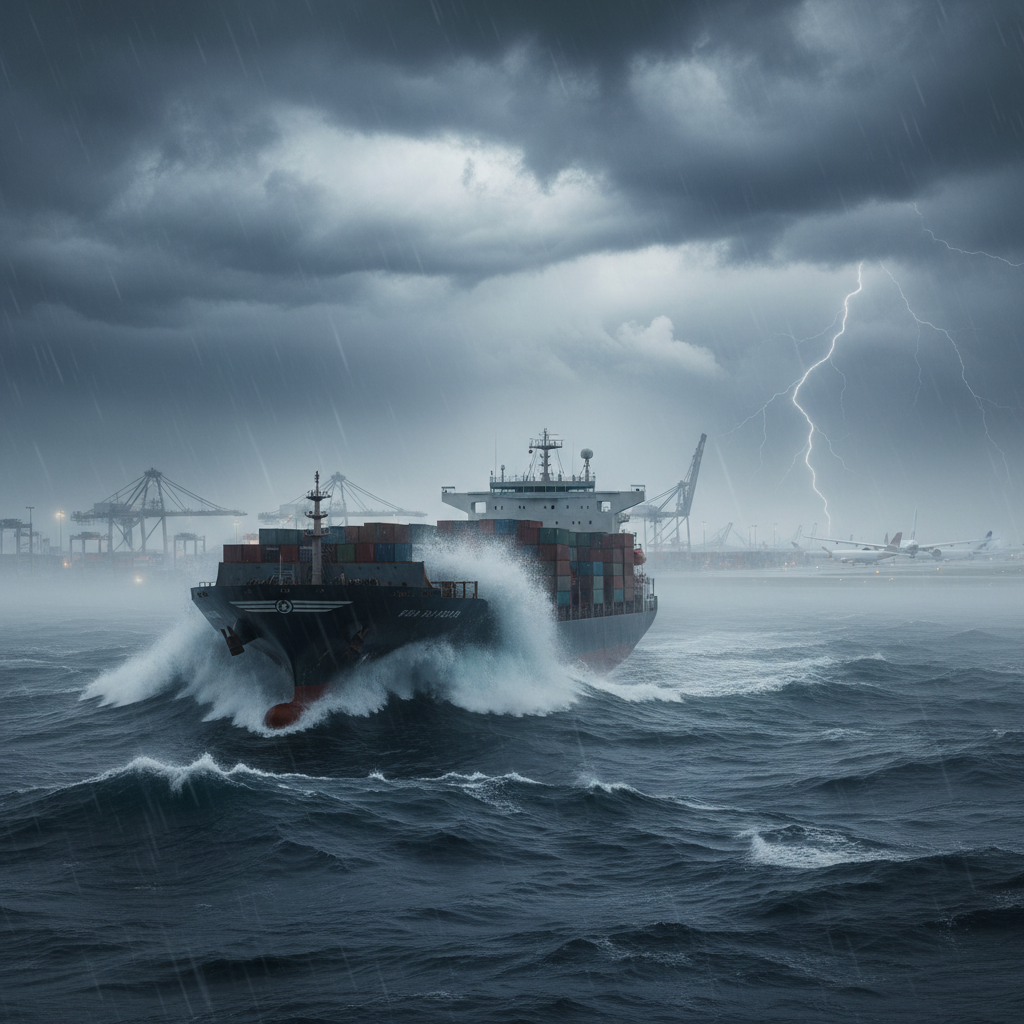
Maritime shipping, the backbone of international trade, is particularly vulnerable to weather volatility. Ocean lanes, spanning vast distances, are routinely subjected to severe storms, typhoons, and hurricanes, which necessitate significant diversions, leading to extended transit times and increased fuel consumption. Dense fog can bring port operations to a standstill, while icy conditions in northern passages or key waterways can render routes impassable, forcing vessels to take longer, more circuitous paths. These delays ripple through the supply chain, affecting inventory levels, production schedules, and market availability.
Key facilities, such as major port terminals and container yards, bear the brunt of these events. High winds can prevent the safe operation of ship-to-shore cranes, halting loading and unloading processes. Flooding can inundate container storage areas, damaging cargo and infrastructure, while extreme temperatures can impact the integrity of temperature-sensitive goods. Port closures, even for short durations, create immediate backlogs, leading to vessel congestion and further delays once operations resume. The cumulative effect is a cascade of disruptions that challenge the efficiency and predictability of ocean freight.
Impact on Air Freight and Airport Operations
Air cargo, often chosen for its speed and reliability, is by no means immune to weather's influence. Thunderstorms, blizzards, and heavy snowfall can lead to widespread flight cancellations and significant delays at major air freight hubs. High winds pose risks during takeoff and landing, often resulting in ground stops or diversions to alternate airports. Even less dramatic conditions, like dense fog, can severely restrict visibility, causing air traffic control to implement flow restrictions and ground operations to slow considerably.
Such disruptions at key airport facilities have immediate and far-reaching consequences. Cargo aircraft grounded due to weather can miss critical connection windows, delaying time-sensitive shipments like pharmaceuticals or perishable goods. The ripple effect extends to subsequent flights, creating a backlog of cargo and impacting global air freight capacity. Airport runways and cargo handling areas can become impassable or unsafe during severe weather, directly affecting the speed at which goods can be processed and moved, undermining the core advantage of air transportation.
Impact on Ground Transportation (Road and Rail)
Ground transportation, encompassing road and rail networks, forms the vital last mile and intermodal links of the supply chain, making it highly susceptible to localized weather events. Heavy snow and ice can render roads impassable, leading to widespread closures, speed restrictions, and increased accident risks for truck drivers. Flooding, whether from heavy rainfall or overflowing rivers, can submerge critical routes, bridges, and underpasses, forcing lengthy detours and significantly extending transit times. Extreme heat can cause road surfaces to buckle and place stress on vehicle engines and refrigeration units, while also imposing restrictions on driver hours due to safety concerns.
Rail operations face similar challenges. Tracks can be damaged or submerged by floods and landslides, leading to line closures and service interruptions. Extreme temperatures can cause rails to expand or contract, requiring speed restrictions to prevent derailments. Rail yards and intermodal hubs can become congested or inoperable during severe weather, impacting the transfer of containers between modes. These disruptions to road and rail networks directly affect the timely delivery of goods to distribution centers, retail outlets, and manufacturing plants, creating bottlenecks that can halt production lines and empty store shelves.
The Role of Shipment Visibility and Proactive Strategies
While weather events are beyond human control, their disruptive impact on cargo movement can be significantly mitigated through proactive planning and advanced technological solutions. This is where a robust shipment visibility control tower, such as MGS, becomes an indispensable asset for shippers.
An MGS platform provides real-time, end-to-end tracking of shipments across all modes, offering unparalleled insight into cargo location relative to developing weather systems. By integrating granular weather data with live shipment information, MGS enables predictive analytics to forecast potential delays and disruptions before they occur. This foresight allows shippers to make informed decisions, such as dynamically re-routing cargo to alternative lanes or modes, or adjusting inventory strategies to build in necessary buffers.
For shippers, the ability to anticipate and respond to weather-related challenges is a competitive advantage. Proactive communication, facilitated by MGS, ensures that all stakeholders—from carriers and logistics partners to consignees—are immediately alerted to potential impacts, enabling collaborative problem-solving. This enhanced visibility supports the development of robust contingency plans, allowing businesses to maintain operational flexibility, minimize financial losses, and uphold customer commitments even in the face of severe weather. By leveraging such platforms, shippers can transform weather-induced uncertainty into actionable intelligence, fostering greater resilience across their global supply chains.
Source: gCaptain — https://gcaptain.com/shipping-strikes-in-hormuz-leave-both-sides-with-economic-pain/