
Navigating the Storm: How Extreme Weather Reshapes Global Cargo Movement
Extreme weather events are increasingly challenging global supply chains. This brief examines the impact on key lanes, facilities, and modes, offering strategic insights for shippers and highlighting how advanced visibility platforms like MGS are crucial for building resilience.
Introduction
The intricate web of global supply chains operates under constant pressure, but few forces introduce as much immediate volatility as extreme weather. From blizzards paralyzing ground transport to typhoons rerouting vast ocean vessels, meteorological phenomena are increasingly frequent and intense disruptions. As climate patterns shift, businesses must understand how these events impact cargo movement. This brief examines the multifaceted ways weather disrupts logistics, identifying vulnerable lanes, facilities, and modes, and outlining actionable strategies for shippers to enhance resilience. In an era where just-in-time delivery meets an unpredictable climate, proactive management and real-time visibility are necessities.
Affected Lanes
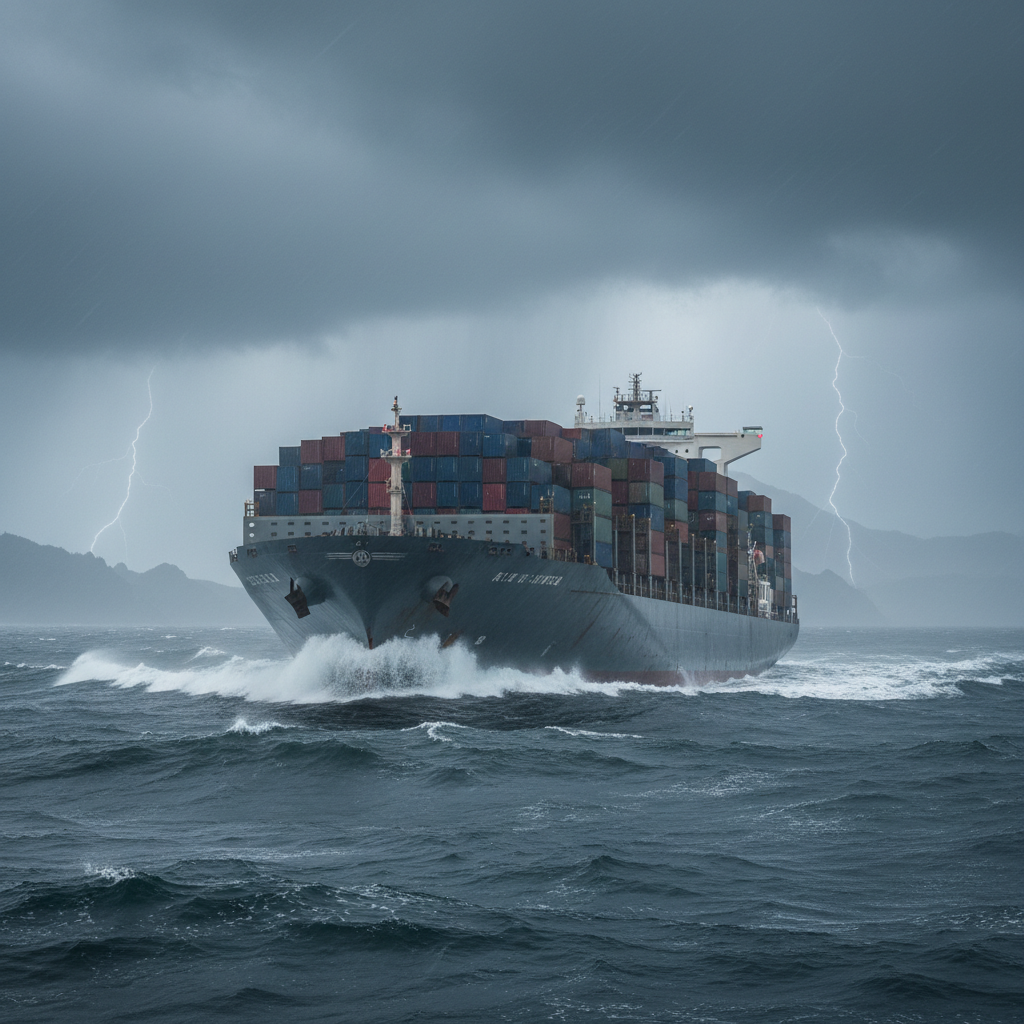
Weather-related disruptions cascade across all major transportation lanes, fundamentally altering transit times and reliability. Maritime Lanes: Key ocean corridors like the North Atlantic, Pacific, and Gulf of Mexico are highly susceptible to severe winter storms, hurricanes, and typhoons. These lead to vessel diversions, slow steaming, or port closures, increasing transit times, fuel consumption, and safety risks, challenging schedule integrity. Air Cargo Routes: Air freight, while faster, is not immune. Trans-Atlantic and Trans-Pacific flights encounter strong headwinds or turbulence. Regional weather systems like blizzards, dense fog, or severe thunderstorms cause widespread flight cancellations, diversions, and ground delays at major hubs. This creates immediate backlogs of high-value or time-sensitive freight. Ground Transport Routes (Road & Rail): Inland infrastructure is equally vulnerable. Road networks in snow-prone regions become impassable. Extreme heat can buckle road surfaces and rail tracks, necessitating speed restrictions. Flooding washes out roads and rail lines, severing critical land bridges and forcing lengthy detours. Mountain passes and low-lying areas are consistently affected, disrupting regional supply chains.
Impacted Facilities
The physical nodes of the supply chain – ports, airports, and distribution centers – bear the brunt of weather's destructive power. Ports and Terminals: Coastal port facilities are highly exposed to storm surges, high winds, and heavy rainfall. Hurricanes or typhoons necessitate complete shutdowns, suspending crane activities and vessel movements. Infrastructure damage to docks, warehouses, and equipment requires costly repairs. Labor availability issues further compound delays. Resulting congestion and backlog can take weeks to clear. Airports and Cargo Hubs: Air cargo operations are sensitive to conditions. Heavy snow and ice close runways, causing delays and cancellations. Strong crosswinds and dense fog ground flights. Ground handling activities are disrupted by extreme temperatures or precipitation, leading to freight build-ups. Distribution Centers and Warehouses: Inland logistics facilities are also affected. DCs in flood plains risk inundation and goods damage. Extreme temperatures compromise climate-controlled environments. Power outages halt automated operations and impact refrigeration. Impassable access roads prevent freight movement, isolating critical inventory.
Disrupted Modes
Each mode of transport faces distinct challenges when confronted with adverse weather, leading to a complex interplay of delays and increased costs. Ocean Freight: Vessels navigating stormy seas face risks like structural damage, container loss, and significant route deviations. This collapses schedule integrity, resulting in blank sailings, rolled cargo, and increased demurrage. Tankers often hold offshore for extended periods, creating supply bottlenecks. Air Freight: Air freight's vulnerability means critical, time-sensitive shipments suffer first. Flight delays and cancellations directly impact delivery timelines for perishables or manufacturing components. The resulting capacity crunch leads to exorbitant spot rates and further delays. Rail Cargo: Rail networks are susceptible. Heavy rains cause track washouts, while prolonged heat buckles tracks. Signal failures due to lightning or power outages halt entire sections. These disruptions lead to extensive rerouting, extending transit times and increasing dwell times at intermodal hubs. Road Freight: Road transport is highly exposed. Snow, ice, heavy rain, and fog reduce visibility and make driving hazardous. Road closures force lengthy detours, increasing fuel consumption and delaying deliveries. Driver hours-of-service regulations are also impacted by unexpected delays.
Shipper Strategies for Resilience
To mitigate the pervasive impact of weather, shippers must adopt a multi-pronged approach focused on foresight, flexibility, and robust planning. Diversification: Cultivate relationships with multiple logistics providers and explore alternative routes or modes for critical shipments, especially in weather-prone regions. Strategic Inventory Buffers: Hold strategic safety stock for critical components or finished goods, particularly for items sourced from or destined for high-risk areas, to absorb short-term disruptions. Pre-positioning and Proactive Movement: Leverage weather forecasts to pre-position inventory or accelerate shipments ahead of anticipated severe weather, preventing goods from being stranded. Robust Contingency Planning: Develop clear protocols for rerouting, alternative transport, and emergency communication. These plans should be regularly reviewed and tested. Continuous Risk Assessment: Integrate real-time weather monitoring and predictive analytics into risk management, evaluating potential impacts on specific supply chain nodes. Enhanced Collaboration: Foster strong relationships with carriers, suppliers, and customers. Transparent communication and proactive problem-solving help manage expectations and find collaborative solutions.
The MGS Advantage: Visibility and Proactive Management
In the face of escalating weather disruptions, a shipment-visibility control tower platform like MGS transforms reactive responses into proactive resilience. Real-time, Granular Tracking: MGS provides unparalleled visibility into the exact location and status of every shipment, across all modes and geographies. Shippers know precisely where their cargo is, whether on a vessel holding outside a storm-affected port or a truck rerouted due to flooding. Predictive Weather Integration: By integrating advanced meteorological data, MGS overlays real-time and forecasted weather patterns onto shipment routes. This enables predictive analytics to identify at-risk shipments before they encounter severe weather, allowing proactive intervention. Automated Alerts and Notifications: The platform generates automated alerts for potential delays or deviations caused by adverse weather. Shippers receive immediate notifications, enabling them to assess impact and initiate contingency plans without manual monitoring. Dynamic Scenario Planning: MGS empowers shippers to model various weather scenarios. Users can visualize alternative routes, assess cost/time implications of mode switching, or identify recovery options within a single interface, supporting rapid, data-driven decisions. Unified Data for Informed Decisions: Consolidating data from multiple carriers, modes, and external sources, MGS provides a comprehensive source of truth. This unified view enables logistics teams to make informed decisions quickly, whether rerouting a critical shipment or proactively communicating with customers. Enhanced Stakeholder Collaboration: The platform serves as a central hub for communication among all supply chain stakeholders. Carriers, forwarders, and internal teams can share updates, coordinate actions, and resolve issues efficiently, ensuring a synchronized response. MGS transforms weather-related challenges from unforeseen crises into manageable, transparent events.
Source: The Maritime Executive — https://maritime-executive.com/article/iran-threatens-tankers-in-kuwait-and-bahrain-as-irgc-responds-to-us-attacks