
Geopolitical Storm: Escalating Maritime Attacks in the Strait of Hormuz Disrupt Global Supply Chains
Recent tit-for-tat attacks, including 10 ships targeted and 5 tankers sunk, in the critical Strait of Hormuz underscore severe geopolitical risks. This brief analyzes the impact on key maritime lanes, facilities, and modes, and outlines strategies for shippers to navigate this volatile environment.
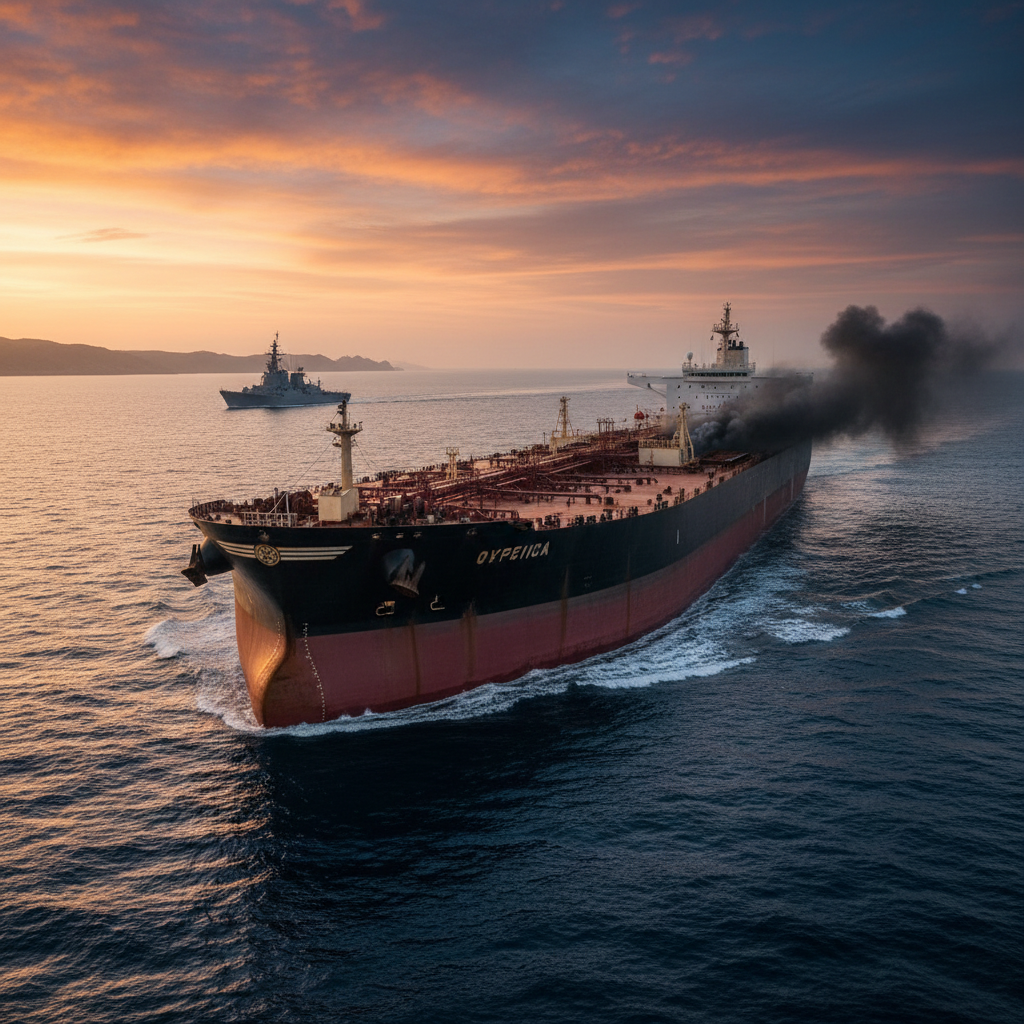
The Escalating Threat in Key Maritime Lanes
The global supply chain is constantly navigating a complex web of challenges, from economic shifts to infrastructure limitations. However, a recent surge in geopolitical tensions has introduced a critical new layer of risk, particularly in vital maritime choke points. The Strait of Hormuz, a narrow waterway connecting the Persian Gulf to the open ocean, has once again become a flashpoint, directly impacting global shipping. Recent reports indicate a significant escalation, with Iran claiming attacks on 10 ships following the U.S. sinking five Iranian oil tankers. This marks the largest declared wave of tit-for-tat attacks since the six-month-old conflict began, signaling a dangerous new phase in regional instability.
This strait is not merely a regional passage; it is a strategic artery for global energy and trade. Approximately one-fifth of the world's total petroleum liquids and a significant portion of liquefied natural gas (LNG) pass through this channel daily. Any disruption here sends immediate shockwaves through oil markets and, subsequently, the broader economy. The direct targeting of tankers, as seen with the five U.S.-sunk Iranian vessels and the 10 ships Iran claims to have attacked, highlights the vulnerability of these critical assets. Shippers relying on this lane face heightened insurance premiums, increased security costs, and the looming threat of delays, diversions, or even outright loss of cargo. The perceived risk alone can lead carriers to re-route, adding significant time and cost to transit, or to withdraw services from the region entirely, further exacerbating capacity constraints.
Impact on Shipping Modes and Facilities
The immediate and most obvious impact of these hostilities falls upon the tanker segment of shipping. Oil and gas tankers, by their very nature, carry high-value, strategically important cargo, making them prime targets in such conflicts. The sinking of five Iranian oil tankers by the U.S. and Iran's retaliatory actions against 10 ships demonstrate this vulnerability unequivocally. Beyond direct attacks, the threat environment forces these vessels to operate with extreme caution, potentially slowing transit times and increasing fuel consumption due to evasive maneuvers or convoy requirements.
However, the ripple effects extend beyond just tankers. The Strait of Hormuz is also a gateway for container ships serving ports across the Persian Gulf, including major hubs in the UAE, Saudi Arabia, and Qatar. While not directly targeted in these specific incidents, general cargo and container vessels face indirect consequences. Increased military presence, heightened security checks, and potential naval escorts can introduce delays at port entries and exits. Port facilities in the region, such as Jebel Ali or Khalifa Port, could experience reduced throughput if carriers opt to avoid the area or if security measures slow down operations. Furthermore, the global nature of shipping means that disruptions in one critical lane can create a cascading effect, leading to vessel re-positioning challenges, equipment imbalances, and schedule integrity issues across other trade routes. Air cargo, while not directly traversing the strait, could see increased demand for urgent shipments seeking to bypass maritime risks, potentially driving up air freight rates.
Proactive Strategies for Shippers
In an environment characterized by such unpredictable geopolitical volatility, shippers must adopt a proactive and resilient approach to supply chain management. The first step is to enhance risk assessment and scenario planning. This involves identifying all shipments that transit or are dependent on the Strait of Hormuz and understanding the potential financial and operational implications of various disruption scenarios, from minor delays to complete lane closures.
Diversification of routes and modes is a critical strategy. While challenging for established maritime lanes, exploring alternative shipping routes, even if longer or more costly, can mitigate exposure. For high-value or time-sensitive goods, considering a shift to air freight for portions of the journey, or utilizing multi-modal solutions that bypass the most volatile sea lanes, might be necessary. Building strategic inventory buffers, where feasible, can also provide a cushion against unexpected delays, ensuring continuity of supply to customers.
Effective communication with logistics partners, carriers, and freight forwarders is paramount. Shippers need real-time updates on vessel movements, security advisories, and potential re-routing decisions. Establishing clear contingency plans with these partners, including predefined alternative routes or modes, can significantly reduce reaction times during a crisis. Furthermore, reviewing and updating insurance policies to ensure adequate coverage for war risks and political instability is essential.
The MGS Advantage: Visibility in Volatility
In times of heightened geopolitical risk, the value of a robust shipment-visibility control tower platform like MGS becomes indisputable. MGS provides the critical real-time data and predictive analytics necessary for shippers to navigate such complex disruptions effectively. By aggregating data from multiple sources – including vessel AIS, port systems, and carrier updates – MGS offers an unparalleled, end-to-end view of every shipment's journey.
For shipments traversing or approaching the Strait of Hormuz, MGS can provide immediate alerts on vessel deviations, delays, or changes in estimated time of arrival (ETA) due to security incidents or re-routing. Its predictive capabilities can model the impact of potential disruptions, allowing supply chain managers to assess the consequences of a lane closure or significant delay before it fully materializes. This foresight enables proactive decision-making, such as initiating alternative transport plans, adjusting production schedules, or informing downstream customers.
Furthermore, MGS facilitates enhanced collaboration with logistics partners. By providing a single source of truth for all shipment data, it streamlines communication and ensures that all stakeholders are working from the same, up-to-date information. In a crisis, this shared visibility is invaluable for coordinating responses, whether it's arranging for cargo offloading at an alternative port or expediting customs clearance for diverted goods. Ultimately, MGS empowers shippers to transform uncertainty into actionable intelligence, safeguarding their supply chains against the unpredictable nature of geopolitical events.
Source: gCaptain — https://gcaptain.com/iran-and-us-hit-tankers-in-biggest-wave-of-attacks-on-shipping-since-war-began/