
Navigating the Storm: How Extreme Weather is Reshaping Global Cargo Movement
Unpredictable and intensifying weather patterns are increasingly disrupting global supply chains, impacting critical lanes, facilities, and all modes of transport. This brief examines the current state of affairs and outlines proactive strategies for shippers to maintain resilience.
Current State of Affairs
The global supply chain continues to operate under a persistent state of flux, with extreme weather events emerging as a primary and escalating disruptor. As we move through late 2026, the frequency and intensity of meteorological phenomena – from unprecedented heatwaves and prolonged droughts to severe storms and rapid-onset flooding – are challenging the foundational assumptions of logistics planning. These events are no longer isolated incidents but rather a systemic force reshaping operational realities. The ripple effects extend far beyond immediate localized damage, causing cascading delays, capacity crunches, and significant cost increases across international and domestic freight networks. Shippers are contending with an environment where historical weather patterns offer diminishing predictive value, necessitating a dynamic and adaptive approach to cargo movement. This evolving climate landscape demands a fundamental shift in how supply chain resilience is conceived and executed, moving from reactive problem-solving to proactive, data-driven mitigation.
Affected Lanes
Weather-induced disruptions are indiscriminately impacting critical cargo lanes across all geographies. Maritime routes, particularly those traversing hurricane or typhoon belts in the Atlantic, Pacific, and Indian Oceans, are experiencing more frequent diversions and delays due to severe storms, high seas, and reduced visibility. Key chokepoints, such as canals and straits, become particularly vulnerable when surrounding regions are hit by extreme weather, affecting transit times significantly. Inland waterways, vital for bulk cargo in regions like North America and Europe, are increasingly suffering from low water levels during prolonged droughts, necessitating reduced vessel loads or complete cessation of traffic. Conversely, heavy rainfall can lead to dangerous currents and flooding, rendering these same waterways impassable. Air freight corridors are routinely impacted by widespread fog, blizzards, or extreme crosswinds, leading to flight cancellations and diversions that snarl networks. On land, major rail lines and road networks face closures due to flooding, landslides, heavy snowfall, or heat-induced buckling of tracks and pavement, severing crucial links between production hubs and consumption centers. The unpredictability of these events means that what was once a reliable transit path can become a bottleneck or a no-go zone with little warning, forcing costly rerouting and extended lead times.
Impacted Facilities
Logistics facilities, the nerve centers of the supply chain, are directly exposed to the brunt of severe weather. Major port operations are frequently halted or severely curtailed by high winds, storm surges, and coastal flooding, preventing vessel docking, cargo loading/unloading, and gate movements. Equipment, from cranes to reach stackers, can be damaged or rendered inoperable, further prolonging recovery efforts. Similarly, airports face significant operational challenges from dense fog, ice storms, heavy snowfall, or extreme heat. These conditions can lead to runway closures, de-icing delays, ground handling disruptions, and even weight restrictions on aircraft during high temperatures, impacting cargo capacity. Rail yards and intermodal terminals suffer from track damage, signal failures, and power outages caused by storms, leading to extensive backlogs. Distribution centers and warehouses, often located in industrial parks susceptible to flooding, face issues with access roads becoming impassable, power interruptions, and even structural damage, preventing the movement of goods in and out. The cumulative effect on these facilities creates bottlenecks that can take days or weeks to clear, impacting the velocity of goods through the entire network.
Modal Disruptions
Each mode of transport exhibits unique vulnerabilities and responses to escalating weather challenges:
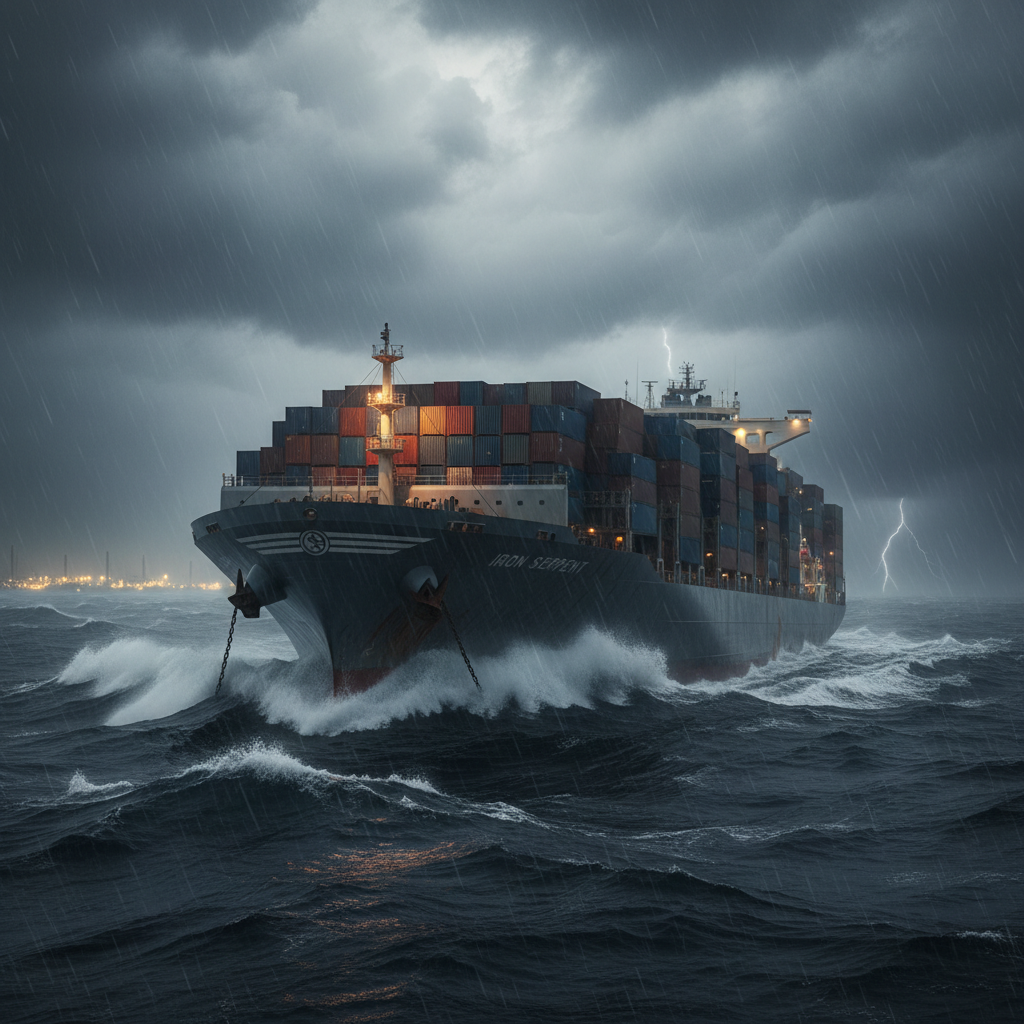
- Ocean Freight: Vessels encounter heightened risks from severe storms, leading to rerouting around hazardous areas, which adds days or even weeks to transit times and consumes additional fuel. Port closures due to high winds, storm surges, or flooding cause significant berthing delays and congestion, creating a domino effect across global schedules. Cargo, especially temperature-sensitive or fragile goods, faces increased risk of damage from prolonged exposure or rough seas.
- Air Freight: Air cargo operations are highly sensitive to atmospheric conditions. Dense fog, heavy snow, or ice can ground flights or cause extensive delays for de-icing procedures. Extreme heat can reduce aircraft lift capacity, forcing carriers to offload cargo or fuel, impacting payload and operational efficiency. Strong headwinds or crosswinds further complicate takeoffs and landings, leading to diversions or cancellations, particularly for smaller cargo aircraft.
- Rail Freight: Rail networks are susceptible to track damage from flooding, landslides, or extreme heat causing rails to buckle, necessitating speed restrictions or complete line closures. Heavy snowfall can block tracks and switches, requiring extensive clearing operations. Power outages, common during severe weather, can disrupt signaling systems and electrified lines, bringing operations to a standstill and delaying critical freight movements.
- Road Freight: Road transport, often the final mile solution, is highly vulnerable to localized weather events. Heavy rain, snow, ice, or fog can severely reduce visibility and create hazardous driving conditions, leading to road closures, accidents, and significant delays. Flooding can render entire routes impassable, forcing lengthy detours. Extreme heat can impact vehicle performance, driver safety, and even the integrity of temperature-sensitive cargo, making timely deliveries challenging.
Shipper Strategies
In this increasingly volatile environment, shippers must adopt robust, proactive strategies to safeguard their supply chains against weather-related disruptions.
Firstly, diversification and redundancy are paramount. Relying on single lanes, carriers, or modes of transport amplifies risk. Shippers should cultivate relationships with multiple logistics providers and explore alternative routes or multimodal options for critical shipments. For example, having contingency plans to shift from ocean to air for high-value, time-sensitive goods, or from rail to road for shorter distances, can be crucial.
Secondly, strategic inventory management can provide a buffer. While lean supply chains are efficient, a complete lack of safety stock leaves businesses highly exposed. Strategically positioned, modest inventory buffers for critical components or finished goods can absorb short-term disruptions without immediately halting production or customer fulfillment.
Thirdly, predictive analytics and enhanced forecasting are becoming indispensable. Integrating advanced weather forecasting into supply chain planning allows shippers to anticipate potential disruptions days or even weeks in advance. This foresight enables proactive decision-making, such as pre-positioning inventory, adjusting production schedules, or initiating rerouting before a storm hits.
Finally, and critically, leveraging advanced shipment-visibility control tower platforms like MGS is a game-changer. An MGS platform provides real-time, end-to-end visibility of all cargo movements, integrating live weather data overlays directly onto shipment maps. This allows shippers to instantly identify shipments at risk due to approaching storms, flooded areas, or facility closures. With MGS, analysts can receive automated alerts for deviations from planned routes or schedules, assess the impact of weather events on estimated times of arrival (ETAs), and quickly model alternative scenarios. The ability to visualize the entire network in real-time, combined with predictive insights, empowers shippers to make informed decisions rapidly – whether it's instructing carriers to reroute, communicating proactively with affected customers, or expediting alternative shipments to mitigate delays. This level of granular visibility and actionable intelligence transforms reactive crisis management into proactive risk mitigation, ensuring greater resilience in the face of unpredictable weather.
Source: Hellenic Shipping News — https://www.hellenicshippingnews.com/russias-war-threatening-civilian-shipping-in-the-black-sea-uk-statement-to-the-osce/