
Geopolitical Tensions Escalate: Navigating the Strait of Hormuz Crisis
A deepening diplomatic standoff between the US and Iran has led to significant disruptions in the Strait of Hormuz, impacting global shipping and energy markets. This brief analyzes the implications for cargo movement and outlines strategies for shippers to mitigate risks.
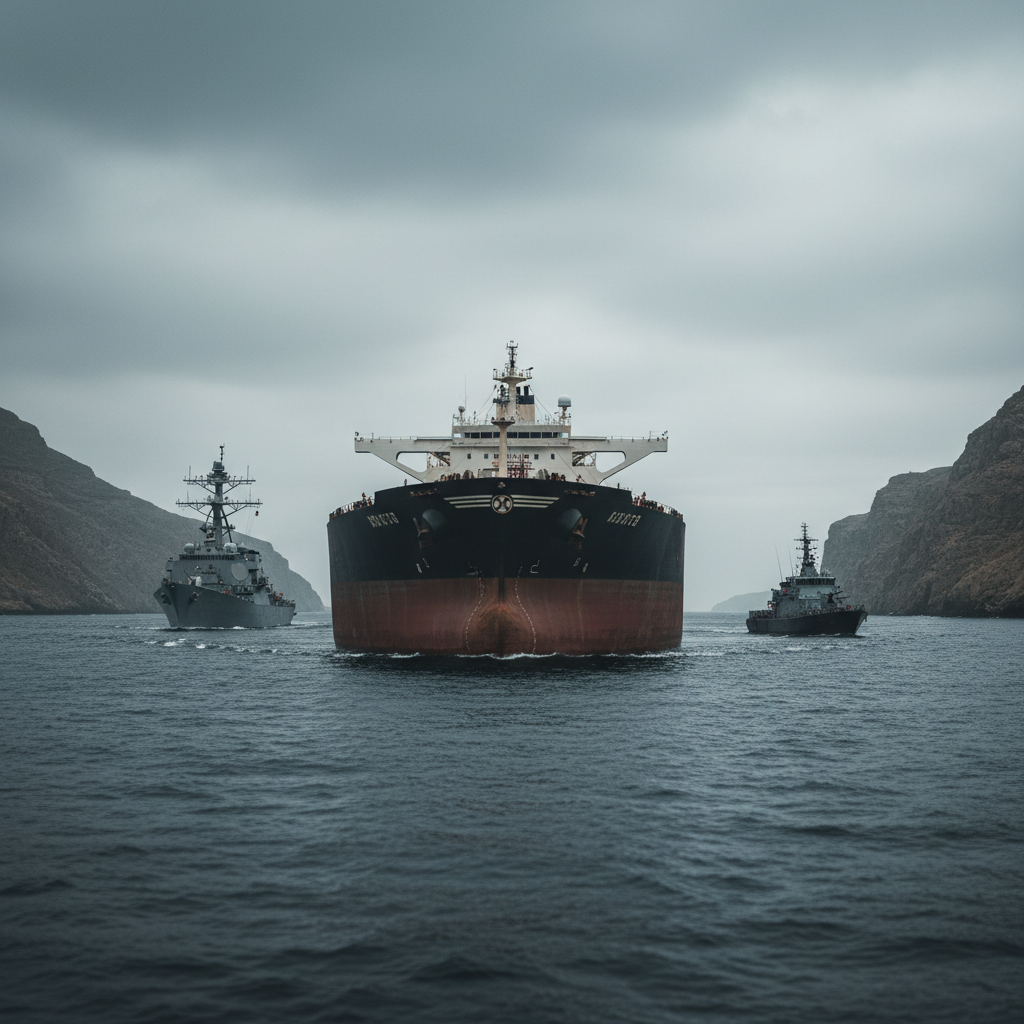
The global supply chain faces formidable challenges, not least from the evolving geopolitical landscape. As of late 2026, the critical Strait of Hormuz, a choke point for a substantial portion of the world's maritime trade, particularly oil, has become a flashpoint. The ongoing diplomatic impasse between the United States and Iran, characterized by naval posturing and economic sanctions, has led to a precarious situation where the free flow of goods is severely compromised. This analysis delves into the specific impacts on key supply chain components and offers actionable insights for shippers grappling with this heightened uncertainty.
The Geopolitical Landscape and its Impact
The current crisis in the Strait of Hormuz is a direct consequence of escalating tensions between the US and Iran. The US has leveraged its naval superiority, blockades, and economic sanctions to exert pressure, aiming to influence Iranian policy. In response, Iran has restricted traffic through this vital waterway, a move with profound implications for global trade. Both nations have expressed openness to dialogue, yet neither appears willing to concede leverage, creating a stalemate that perpetuates the disruption. This 'gunboat diplomacy' has transformed a crucial maritime artery into a zone of high risk, forcing supply chain stakeholders to re-evaluate traditional routes and operational strategies. The uncertainty surrounding the Strait's accessibility introduces significant volatility into shipping schedules, insurance premiums, and commodity prices, particularly for energy resources.
Affected Shipping Lanes
The Strait of Hormuz is unequivocally the primary affected lane. As the sole sea passage from the Persian Gulf to the open ocean, its restriction directly impacts all maritime traffic originating from or destined for major oil-producing nations like Saudi Arabia, UAE, Qatar, Kuwait, and Iraq. Any vessel transiting this strait, regardless of cargo type, is now subject to potential delays, rerouting, or security risks. This has a cascading effect, as alternative routes, if available, are often longer, more costly, and capacity-constrained. For instance, rerouting around the Arabian Peninsula adds thousands of nautical miles and days to transit times, increasing fuel consumption and operational expenses. The inability to reliably use the Strait also strains adjacent lanes, as vessels might queue or divert, creating congestion in other regional ports and shipping corridors not directly involved in the immediate conflict.
Impact on Facilities and Infrastructure
The geopolitical situation in the Strait of Hormuz has significant ramifications for port facilities and supporting infrastructure throughout the Persian Gulf and beyond. Ports in nations bordering the Gulf, which rely heavily on the Strait for access to international markets, face severe operational challenges. Cargo throughput at these facilities can decrease dramatically due to reduced vessel traffic or increased security checks. Storage facilities for oil and gas, as well as general cargo, become critical bottlenecks as goods are either held up or rerouted. Furthermore, the crisis impacts land-based infrastructure, such as pipelines designed to bypass the Strait, as they experience increased demand and potential strain. Terminal operators face pressure to adapt to fluctuating schedules, manage increased dwell times, and potentially handle diverted cargo volumes. The long-term impact could include a re-evaluation of investment in port infrastructure within the region, as companies seek more stable and predictable access points for their supply chains.
Modes of Transport Under Pressure
Maritime shipping is, by far, the most heavily impacted mode of transport due to the Strait of Hormuz crisis. Oil tankers, carrying a significant portion of the world's crude oil and refined products, are particularly vulnerable. The threat of blockades or interdiction directly imperils their voyages, leading to higher insurance premiums, reluctance from vessel owners to operate in the area, and potential delays in energy supply to global markets. Container ships, carrying a vast array of manufactured goods, also face similar challenges. While air freight could offer an alternative for high-value, time-sensitive cargo, its capacity is limited, and costs are substantially higher, making it an impractical substitute for the vast volumes moved by sea. Rail and road transport within the region may see increased demand for intra-regional movements, but these modes cannot replace the intercontinental capacity provided by ocean shipping through the Strait.
Strategies for Shippers
In the face of such geopolitical volatility, shippers must adopt proactive strategies to maintain supply chain resilience. Firstly, diversification of routes and carriers is paramount. Exploring alternative shipping lanes, even if longer or more expensive, can mitigate the risk of complete disruption. This might involve utilizing land bridges where feasible or considering different transshipment hubs. Secondly, enhanced inventory management is crucial. Maintaining strategic safety stock levels, particularly for critical components or finished goods, can buffer against unexpected delays. However, this must be balanced against increased carrying costs. Thirdly, robust risk assessment and contingency planning should be continuously updated. Shippers need to model various disruption scenarios, including prolonged closure of the Strait, and pre-plan responses. This includes identifying alternative suppliers or production locations outside the affected region. Finally, leveraging advanced shipment visibility platforms like MGS becomes indispensable. An MGS control tower provides real-time tracking of vessels and cargo, offering immediate alerts on delays, reroutes, or security incidents. This allows shippers to make informed decisions rapidly, communicate proactively with customers, and activate contingency plans with greater agility, transforming potential crises into manageable challenges by providing the data needed for dynamic re-planning.
The ongoing geopolitical tensions in the Strait of Hormuz underscore the fragility of global supply chains to non-weather-related disruptions. While diplomatic efforts continue, shippers must remain vigilant and adaptable, utilizing every tool at their disposal to navigate this complex and unpredictable environment.
Source: Hellenic Shipping News — https://www.hellenicshippingnews.com/us-iran-gunboat-diplomacy-and-the-challenge-of-reopening-the-hormuz-corridor/