
Navigating the Storm: Geopolitical Risks Escalate in the Strait of Hormuz
Heightened tensions in the Strait of Hormuz, driven by recent warnings from Iran, are significantly increasing attack risks for tankers and critical shipments. This brief analyzes the impact on key lanes, facilities, and modes of transport, offering strategic recommendations for shippers to enhance supply chain resilience through advanced visibility.
Introduction
The global supply chain faces persistent and evolving challenges, ranging from natural disasters to economic shifts. However, a particularly acute and escalating threat has emerged in one of the world's most critical maritime chokepoints: the Strait of Hormuz. Recent warnings from Iran regarding unauthorized routes have significantly elevated the risk profile for tankers and other vessels traversing this vital waterway. This development introduces a new layer of complexity and uncertainty for international trade, particularly impacting the movement of critical shipments, predominantly energy resources.
For supply chain professionals, understanding the multifaceted implications of such geopolitical escalations is paramount. The Strait of Hormuz, a narrow passage connecting the Persian Gulf to the open ocean, is indispensable for a substantial portion of global energy supplies. Any disruption here reverberates across industries, affecting everything from fuel prices to manufacturing costs. This brief will dissect the potential impacts on key shipping lanes, associated facilities, and various modes of transport, concluding with actionable strategies shippers can adopt to mitigate these growing risks and safeguard their operations.
Key Affected Lanes and Facilities
The Strait of Hormuz stands as the unequivocal epicenter of this escalating geopolitical risk. Geographically, it is a narrow, strategic waterway, approximately 21 nautical miles wide at its narrowest point, separating Iran from the United Arab Emirates and Oman. It is the sole maritime outlet for the vast oil and gas reserves of the Persian Gulf, making it a non-negotiable passage for a significant portion of the world's crude oil, liquefied natural gas (LNG), and petroleum products.
Affected Lanes: The primary lane is, by definition, the Strait itself. Tankers carrying critical shipments from major oil-producing nations like Saudi Arabia, Iraq, UAE, Kuwait, Qatar, and Iran must transit through this strait to reach international markets. Any attempt by Iran to block or restrict specific routes, as recently warned, would directly impede the flow of vessels, forcing diversions, delays, or potentially, a complete halt to traffic through certain sections. The absence of viable alternative maritime routes of comparable capacity makes this chokepoint uniquely vulnerable.
Affected Facilities: The impact extends far beyond the immediate waters of the Strait. Upstream, all major oil and gas export terminals within the Persian Gulf are directly reliant on uninterrupted passage through Hormuz. This includes massive facilities such as Ras Tanura (Saudi Arabia), Mina Al Ahmadi (Kuwait), Das Island (UAE), and various terminals in Qatar and Iraq. Downstream, the ripple effect would be felt by refineries, storage facilities, and energy distribution networks across Asia, Europe, and North America that depend on these critical shipments. Any disruption could lead to stockouts, production halts, and significant price volatility in global energy markets. Furthermore, ports handling general cargo to and from Gulf nations would also experience delays and increased operational costs, as vessels might face longer waiting times or be subject to enhanced security checks, affecting the broader regional logistics infrastructure.
Impact on Modes of Transport
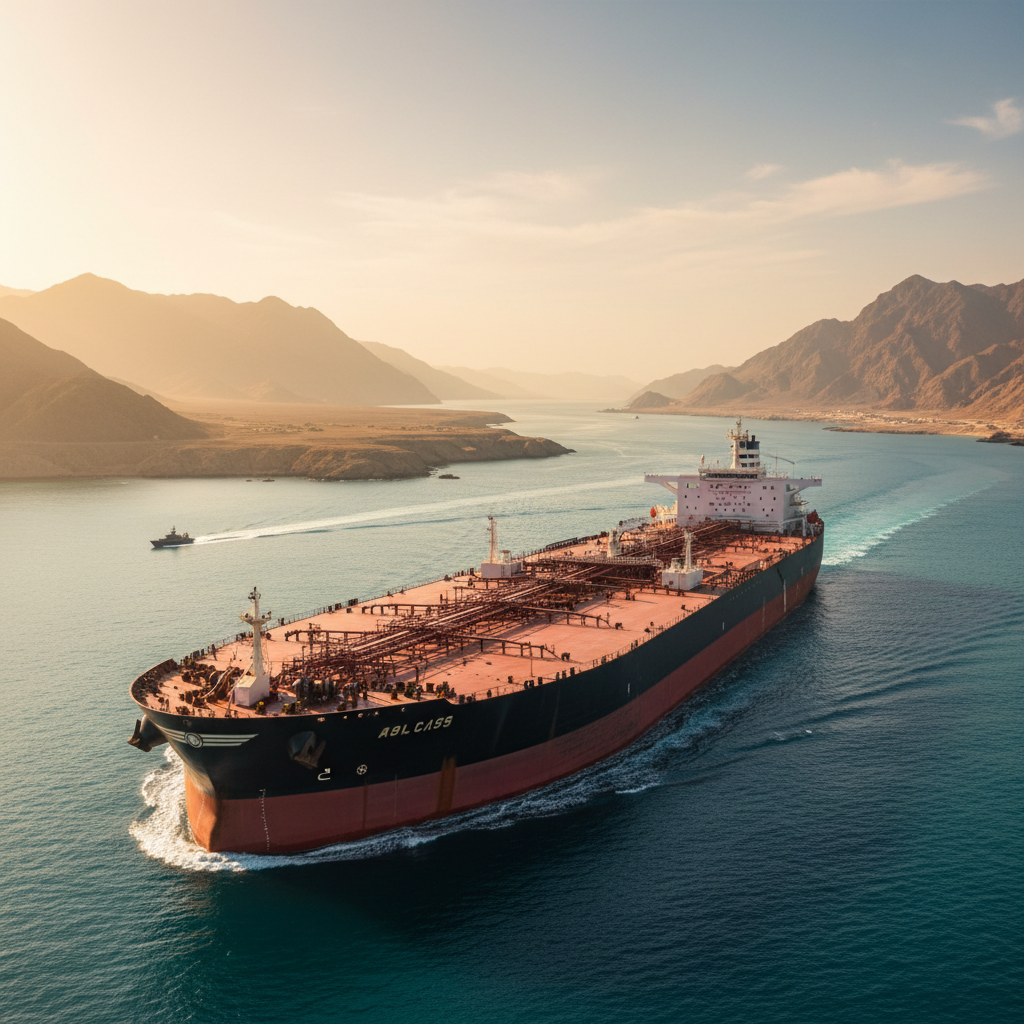
The primary and most immediately affected mode of transport is maritime shipping, specifically the global fleet of oil and chemical tankers. These vessels, designed for the bulk transport of liquid energy resources, are directly in the crosshairs of the heightened attack risks and potential route blockades. The consequences for this mode are multi-faceted:
- Increased Insurance Premiums: War risk insurance premiums for vessels operating in the region would likely surge, adding substantial costs to every shipment. This directly impacts the profitability of carriers and ultimately translates into higher prices for consumers.
- Extended Transit Times and Costs: Should re-routing become necessary, or if vessels face delays due to increased security protocols or intimidation, transit times would lengthen. While significant re-routing options for bulk oil out of the Persian Gulf are limited, even minor diversions or slower speeds due to perceived threats add to fuel consumption and operational expenses.
- Security Measures and Crew Safety: Carriers would be compelled to implement enhanced security measures, potentially hiring armed guards or increasing onboard security personnel. The safety and well-being of seafarers become a paramount concern, potentially leading to crew reluctance to operate in the region, exacerbating crew shortages.
- Vessel Availability: Uncertainty and risk could lead some vessel owners to avoid the Strait altogether, reducing available capacity and driving up charter rates for those willing to undertake the journey.
While air freight is not a direct substitute for bulk liquid cargo, severe maritime disruptions could trigger a marginal shift for high-value, time-sensitive goods that typically move via sea, seeking quicker, albeit far more expensive, alternatives. However, the sheer volume of cargo transiting Hormuz makes air freight an impractical solution for the core commodities at risk.
Rail and Road transport have minimal direct impact on international bulk cargo originating from the Persian Gulf due to geographical limitations. However, within the region, increased maritime risks could prompt some intra-regional cargo to shift to land-based routes where feasible, potentially straining existing infrastructure and increasing cross-border logistics complexities. Indirectly, the global energy price volatility resulting from Hormuz disruptions would impact fuel costs for all transport modes worldwide, creating a cascading effect on operational expenses across the entire logistics spectrum.
Strategic Recommendations for Shippers
In an environment of escalating geopolitical risks, proactive and data-driven strategies are essential for shippers to maintain supply chain resilience. Leveraging advanced tools, such as an MGS shipment-visibility control tower, becomes indispensable for navigating these turbulent waters.
-
Enhance Real-time Shipment Visibility: An MGS control tower provides granular, real-time tracking of vessels and cargo movements. For routes passing through high-risk areas like the Strait of Hormuz, this means immediate alerts on vessel deviations, unexpected stops, or changes in speed. Shippers can monitor their critical shipments continuously, understanding their exact location and status, which is crucial for rapid response planning.
-
Robust Risk Assessment and Scenario Planning: Shippers must move beyond reactive measures. Develop comprehensive contingency plans for various scenarios, including partial route blockades, full closures, vessel detentions, or attacks. This involves identifying alternative ports, assessing potential re-routing options (even if limited), and understanding the lead time and cost implications of each scenario. An MGS platform can simulate these scenarios, allowing planners to visualize impacts and test response strategies.
-
Diversification of Sourcing and Routes (where feasible): While direct alternatives to the Strait of Hormuz for Persian Gulf oil exports are scarce, shippers of other commodities should explore diversifying their sourcing locations or utilizing alternative routes that bypass the region if possible. For energy, this might involve considering strategic reserves or exploring non-Gulf suppliers if long-term disruption is anticipated.
-
Review and Optimize Insurance Coverage: Engage with marine insurance providers to thoroughly review existing policies, particularly regarding war risk, piracy, and political risk clauses. Understand the scope of coverage for delays, diversions, and potential cargo loss. Be prepared for increased premiums and factor these into freight cost analyses.
-
Strengthen Collaboration and Communication: Foster robust communication channels with carriers, freight forwarders, and logistics partners. Ensure all parties are aligned on contingency plans and information sharing protocols. An MGS platform can serve as a central hub for this communication, providing a single source of truth for all stakeholders.
-
Leverage Predictive Analytics for Proactive Decision-Making: Integrate geopolitical intelligence feeds with MGS data. Predictive analytics can help identify emerging risk patterns, anticipate potential disruptions, and provide early warnings. This allows shippers to make proactive decisions, such as accelerating shipments, delaying departures, or adjusting inventory levels, before a crisis fully materializes.
-
Enhance Security Protocols and Due Diligence: For shipments directly impacted, ensure carriers adhere to the highest security standards. This includes reviewing vessel security measures, crew training for emergency situations, and compliance with international maritime security guidelines for high-risk areas.
Conclusion
The rising attack risks and threats of route blockades in the Strait of Hormuz represent a significant and evolving challenge for global supply chains. This geopolitical instability, driven by Iran's recent warnings, underscores the inherent vulnerabilities of relying on critical chokepoints for the movement of essential commodities. The direct impact on tankers and maritime shipping, coupled with cascading effects on global energy markets, demands immediate and strategic attention from shippers.
In this volatile landscape, the ability to maintain clear visibility into cargo movements, coupled with robust risk management and proactive planning, is no longer a luxury but a necessity. Leveraging advanced shipment-visibility control tower platforms like MGS empowers shippers with the data and insights needed to anticipate disruptions, respond effectively, and ultimately build more resilient and adaptable supply chains capable of navigating geopolitical storms. The future of global trade hinges on our collective ability to understand, prepare for, and mitigate these complex risks.
Source: gCaptain — https://gcaptain.com/attack-risks-rise-for-tankers-as-iran-vows-to-block-more-hormuz-routes/