
Navigating the New Normal: How Geopolitical Tensions Reshape Global Cargo Movement
Geopolitical shifts, exemplified by tightened export controls on advanced technologies and drones, are fundamentally altering global cargo movement. This brief explores the cascading effects on routes, airspace, waterways, and the economic landscape of trade, highlighting the critical role of real-time visibility.
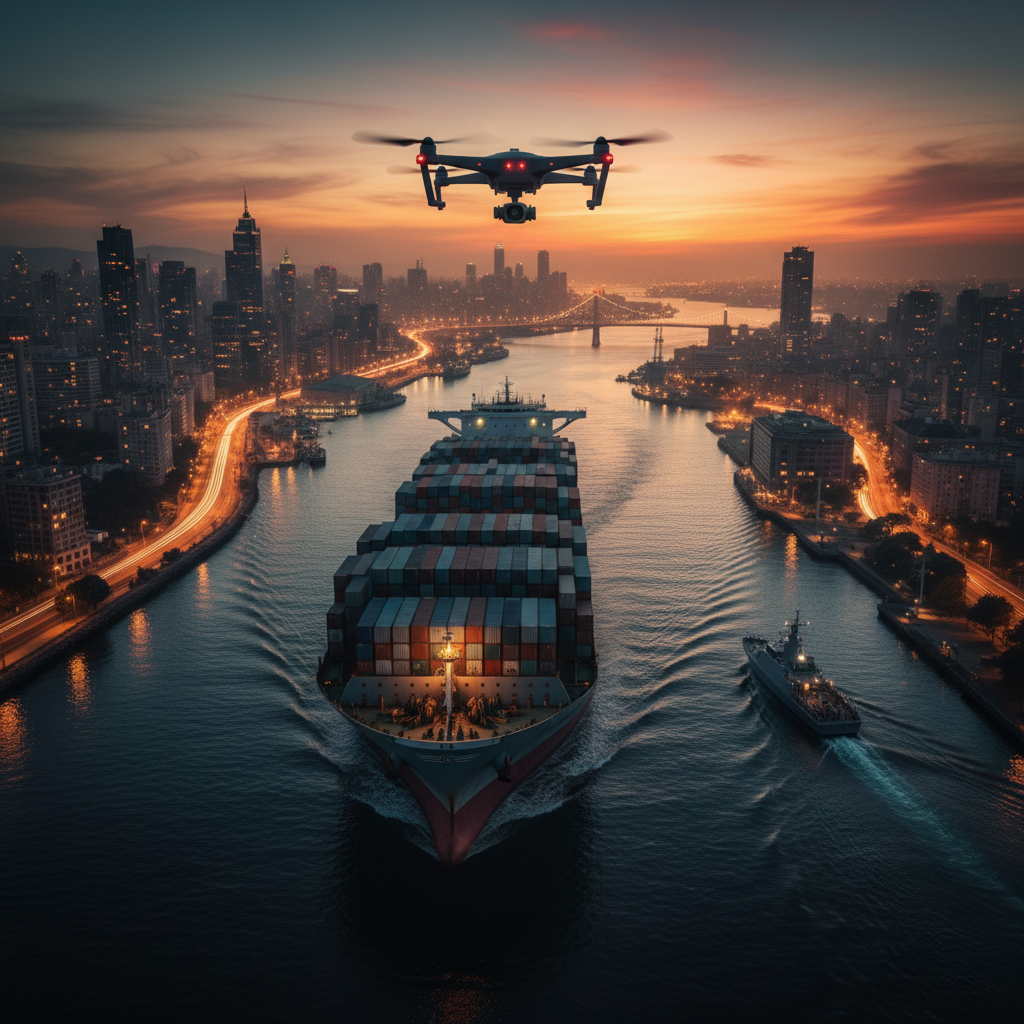
The Evolving Landscape of Export Controls
The global trade environment is increasingly shaped by geopolitical considerations, manifesting in new regulations and restrictions that directly impact the flow of goods. Recent announcements, such as China's enhanced export oversight on advanced technologies and unmanned aerial vehicles, serve as a potent reminder of this trend. These measures, introducing additional compliance requirements for exporters and logistics providers, are not isolated incidents but rather symptomatic of a broader shift towards strategic control over critical supply chains. Such policies create a complex web of authorization processes and documentation, adding layers of bureaucracy and potential delays to international shipments. For businesses operating in a globalized world, understanding and adapting to these evolving control frameworks is paramount, as non-compliance can lead to severe penalties, shipment seizures, and significant disruptions to their operational continuity. The strategic nature of these controls means that certain commodities, particularly those deemed dual-use or critical for national security, will face heightened scrutiny, influencing where and how they can be manufactured, transported, and delivered.
Disruption to Global Supply Chains
The ripple effects of tightened export controls and broader geopolitical tensions extend far beyond individual shipments, creating systemic disruptions across global supply chains. When a major manufacturing hub or exporting nation implements new restrictions, it forces a re-evaluation of sourcing strategies, production locations, and distribution networks worldwide. Companies may find themselves needing to diversify their supplier base to mitigate risks associated with single-country dependencies, or even reshore certain manufacturing processes. This often leads to increased operational costs, longer lead times, and a greater need for inventory buffers to absorb potential delays. The predictability that supply chain managers once relied upon is diminishing, replaced by an environment demanding agility and resilience. Furthermore, the strategic nature of these controls can fragment supply chains, creating distinct ecosystems for controlled versus non-controlled goods, which complicates logistics planning and execution for carriers and freight forwarders alike. The overall effect is a less efficient, more costly, and inherently more volatile global trading system.
Implications for Cargo Routes and Airspace
Geopolitical events frequently lead to direct and indirect alterations in established cargo routes and airspace access. While the immediate impact of export controls might seem limited to documentation, the broader context of international relations can quickly translate into physical restrictions. For instance, heightened tensions or outright conflicts can render certain airspaces or maritime passages unsafe, forcing airlines and shipping lines to reroute. Such diversions inevitably increase transit times, fuel consumption, and operational costs. Even without direct conflict, the political alignment between nations can influence overflight rights or port access, creating bottlenecks or necessitating longer, less efficient routes. For specialized cargo like advanced technology or drones, the risk profile of certain routes might increase due to concerns over intellectual property theft or illicit diversion, prompting carriers to choose more secure, albeit potentially less direct, pathways. The cumulative effect is a less predictable and more expensive global transport network, where once-standard routes are no longer guaranteed, and contingency planning becomes a constant necessity.
Challenges for Maritime and Overland Logistics
Beyond airspace, geopolitical dynamics significantly challenge maritime and overland logistics. Waterways, particularly strategic chokepoints like canals and straits, are highly susceptible to disruption from regional instability or state-sponsored interference. Blockades, increased security risks, or even the threat of naval incidents can force shipping companies to take significantly longer routes, such as circumnavigating continents, leading to massive increases in fuel costs, extended voyage times, and delays in cargo delivery. Similarly, overland routes, especially those traversing multiple national borders, face challenges from tightened border controls, political disputes, or infrastructure vulnerabilities. Export controls, like those recently implemented by China, can also lead to increased scrutiny at customs checkpoints, slowing down cross-border movements of controlled goods. This heightened vigilance, while intended to enforce regulations, adds friction to the movement of freight, creating delays that cascade through the supply chain. The need for robust risk assessment and alternative routing capabilities is more critical than ever for maintaining the flow of goods across these vital arteries of global trade.
The Economic Impact of Compliance and Restrictions
The economic consequences of geopolitical events, particularly those involving export controls, tariffs, and sanctions, are substantial and pervasive. New compliance requirements, such as those for advanced technologies and drones, necessitate significant investment in legal expertise, internal processes, and technology solutions to ensure adherence. This adds to the operational overhead for businesses and logistics providers. Tariffs, often imposed as a geopolitical tool, directly increase the cost of imported goods, which can be passed on to consumers or absorbed by businesses, impacting profitability. Sanctions, whether targeted at specific entities or entire sectors, can severely restrict market access, disrupt financial transactions, and even lead to the complete cessation of trade with certain regions. The cumulative effect is an increase in the cost of doing business internationally, reduced market efficiency, and a potential dampening of global trade volumes. Companies must navigate a constantly shifting regulatory landscape, where the economic viability of certain trade lanes or product lines can change rapidly, demanding continuous strategic adaptation and financial planning.
Leveraging Visibility for Resilience
In this increasingly complex and volatile trade environment, a shipment-visibility control tower like MGS becomes an indispensable tool for maintaining supply chain resilience. Real-time, end-to-end visibility across all modes of transport allows businesses to immediately detect deviations from planned routes, identify potential delays due to increased customs scrutiny or airspace restrictions, and monitor the status of critical shipments affected by new export controls. When a geopolitical event, such as a waterway blockage or a sudden change in export regulations, occurs, an MGS platform can provide instant alerts, enabling proactive decision-making. This includes rerouting cargo, communicating revised ETAs to stakeholders, or initiating contingency plans for compliance documentation. By aggregating data from carriers, customs, and other logistics partners, the control tower offers a single source of truth, empowering supply chain managers to assess risks, optimize logistics, and ensure that even highly regulated or sensitive cargo reaches its destination efficiently, despite the unpredictable nature of the global geopolitical landscape. Without such granular visibility, navigating the 'new normal' of trade disruptions would be significantly more challenging and costly.
Source: Container News — https://container-news.com/china-tightens-export-oversight-with-new-technology-and-drone-controls/