
Navigating the New Geopolitical Maze: Supply Chain Resilience in a Fragmented World
Geopolitical events are fundamentally reshaping global supply chains, impacting traditional routes, airspace, and trade policies. This brief explores the consequences for cargo movement and how technology like shipment-visibility control towers can help build resilience.
Introduction: The Shifting Global Logistics Landscape
In an increasingly interconnected yet volatile world, geopolitical dynamics have emerged as a primary driver of disruption across global supply chains. What was once considered a relatively stable environment for international trade, governed primarily by economic efficiencies, is now subject to rapid shifts influenced by political tensions, conflicts, and strategic realignments. This new reality demands a fundamental re-evaluation of logistics strategies, as the predictability of cargo movement is frequently challenged by unforeseen external factors. For supply chain professionals, understanding and adapting to these non-economic influences is no longer optional but critical for maintaining operational continuity and competitive advantage.
Impact on Traditional Routes and Waterways
The immediate and most visible consequence of geopolitical instability is often the disruption of established shipping routes and vital maritime waterways. Conflict zones, heightened piracy risks, or political blockades can render traditional sea lanes inaccessible or prohibitively dangerous. This forces shipping companies to reroute vessels, often via significantly longer passages, leading to extended transit times, increased fuel consumption, and higher operational costs. Furthermore, insurance premiums for cargo traversing high-risk areas can skyrocket, adding another layer of expense to the movement of goods. Such diversions not only inflate the cost of goods but also introduce delays that ripple through downstream manufacturing and retail operations, impacting inventory levels and customer satisfaction.
Airspace Restrictions and Their Ripple Effects
Similar to maritime routes, global airspace is increasingly subject to geopolitical influence. Nations may close their airspace to specific airlines or over certain regions due to conflicts, diplomatic disputes, or security concerns. These restrictions compel cargo and passenger airlines to undertake circuitous detours, significantly extending flight durations and increasing fuel burn. For air freight, where speed is a premium, these delays can be particularly damaging, affecting the delivery of time-sensitive goods such as pharmaceuticals, high-value electronics, and perishable items. The cumulative effect is higher air cargo rates, reduced capacity on key lanes due to longer flight times, and a more complex planning environment for logistics providers striving to meet tight delivery schedules.
Tariffs, Sanctions, and Trade Flow Disruption
Tariffs and economic sanctions are potent geopolitical tools that directly alter the economic calculus of international trade. Imposed by governments to exert pressure or protect domestic industries, these measures can abruptly change the cost-effectiveness of sourcing from or selling to specific regions. Companies are then forced to re-evaluate their entire supply chain network, often leading to costly and complex decisions regarding supplier diversification, reshoring, or nearshoring production. This fragmentation of global trade flows can create new barriers, complicate customs procedures, and necessitate the development of entirely new logistical pathways, moving away from previously optimized global production and distribution models. The result is a less integrated, more regionalized, and often more expensive global supply chain.
Emergence of Alternative Corridors and Infrastructure
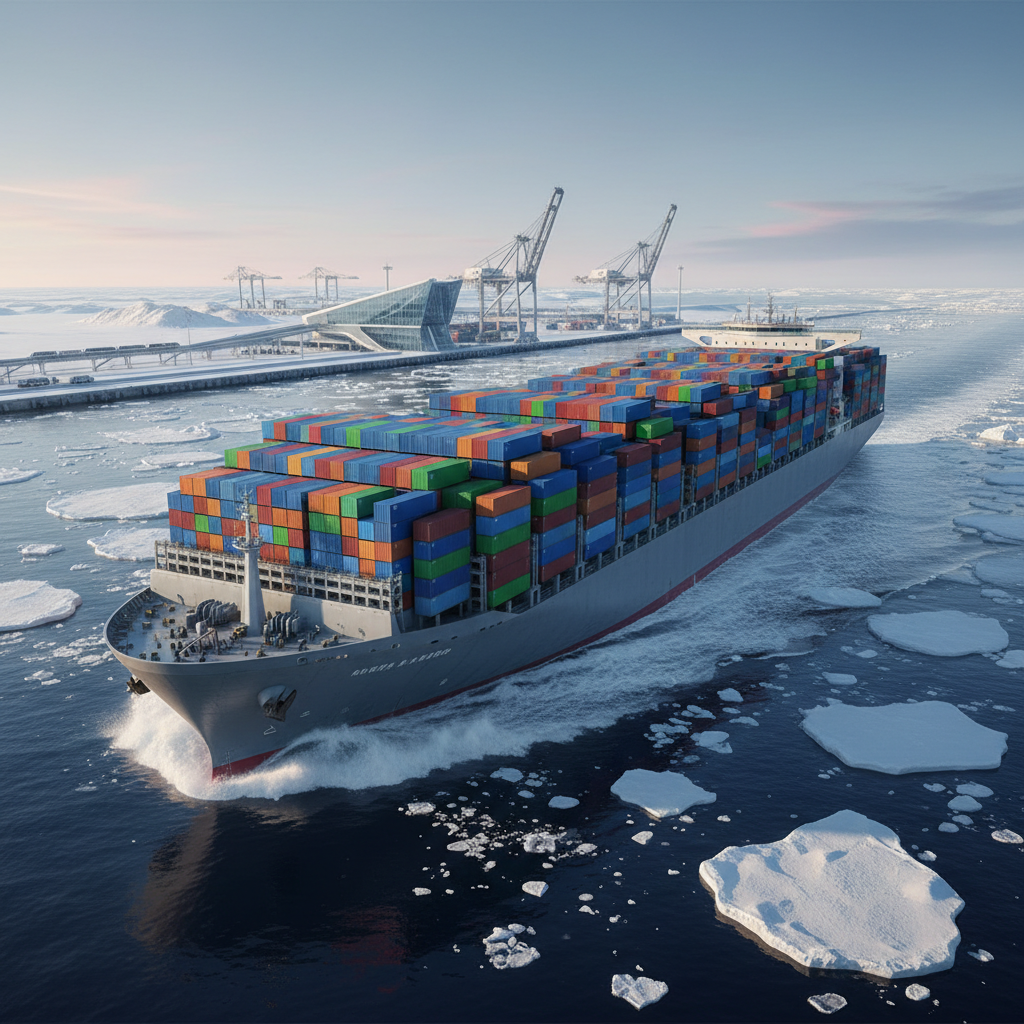
In response to the increasing vulnerability of traditional routes and the desire for strategic independence, there's a growing impetus to explore and develop alternative trade corridors and infrastructure. These initiatives aim to bypass politically sensitive choke points, reduce reliance on single pathways, or unlock new efficiencies. A prime example of this strategic pivot is the ongoing exploration of an Arctic trade corridor, as evidenced by the Memorandum of Understanding signed by DP World, Arctic Gateway Group, and CentrePort Canada. This collaborative effort, announced in late 2026, focuses on leveraging Canada’s northern transportation network for new trade opportunities, encompassing port operations and integrated logistics services. Such northern routes, potentially made more accessible by changing climate patterns, represent a proactive response to the need for resilient and diversified global trade arteries, offering new pathways for goods movement and potentially reshaping future geopolitical influence over trade lanes.
The Role of Visibility in Navigating Volatility
In this environment of heightened uncertainty, real-time shipment visibility is no longer a luxury but a fundamental requirement for effective supply chain management. A robust shipment-visibility control tower, such as MGS, provides organizations with an unparalleled granular view of their cargo's journey, from origin to destination. This includes real-time location tracking, predictive analytics for estimated times of arrival (ETAs), and immediate alerts regarding potential delays or disruptions. When traditional routes are compromised or airspace is restricted, an MGS platform empowers logistics teams to quickly identify impacted shipments, assess alternative routes, and communicate proactively with stakeholders. This capability allows for agile decision-making, enabling rerouting, rescheduling, or re-prioritizing cargo to mitigate the financial and operational impact of geopolitical events, transforming potential chaos into manageable challenges.
Conclusion: Building Resilient Supply Chains
The persistent influence of geopolitical events mandates a paradigm shift in how global supply chains are conceived and managed. The era of optimizing solely for cost efficiency is giving way to a focus on resilience, adaptability, and strategic diversification. As traditional routes become unreliable and new trade barriers emerge, the exploration of alternative corridors and the adoption of advanced technological solutions become paramount. By embracing real-time visibility platforms and fostering agile operational frameworks, businesses can better anticipate, react to, and ultimately thrive amidst the complexities of a fragmented and geopolitically charged global trade landscape.
Source: Container News — https://container-news.com/dp-world-joins-canadian-partners-to-explore-new-arctic-trade-corridor/