
Navigating Nature's Fury: Weather's Growing Impact on Global Cargo Movement
Extreme weather events are no longer anomalies but persistent threats, reshaping global supply chain dynamics. This brief examines how meteorological phenomena disrupt key lanes, facilities, and modes, and how shippers can leverage advanced visibility to build resilience.
Introduction: The Unpredictable Climate of Global Supply Chains
The global supply chain operates within an increasingly volatile meteorological landscape. What were once considered rare or localized weather events—from intense hurricanes and typhoons to prolonged droughts, severe floods, and unprecedented blizzards—are now occurring with greater frequency and intensity. This escalating unpredictability poses a significant and evolving challenge to the seamless flow of goods, demanding a fundamental shift in how supply chain professionals anticipate, react to, and mitigate disruptions. Unlike geopolitical 'fogs of war' that introduce uncertainty through human conflict, meteorological phenomena introduce a 'fog of nature,' obscuring visibility and complicating planning across every facet of logistics. For shippers, the ability to maintain cargo movement and meet delivery commitments hinges on understanding these weather-driven risks and implementing robust, data-informed strategies.
Affected Lanes & Regions: Navigating Nature's Chokepoints
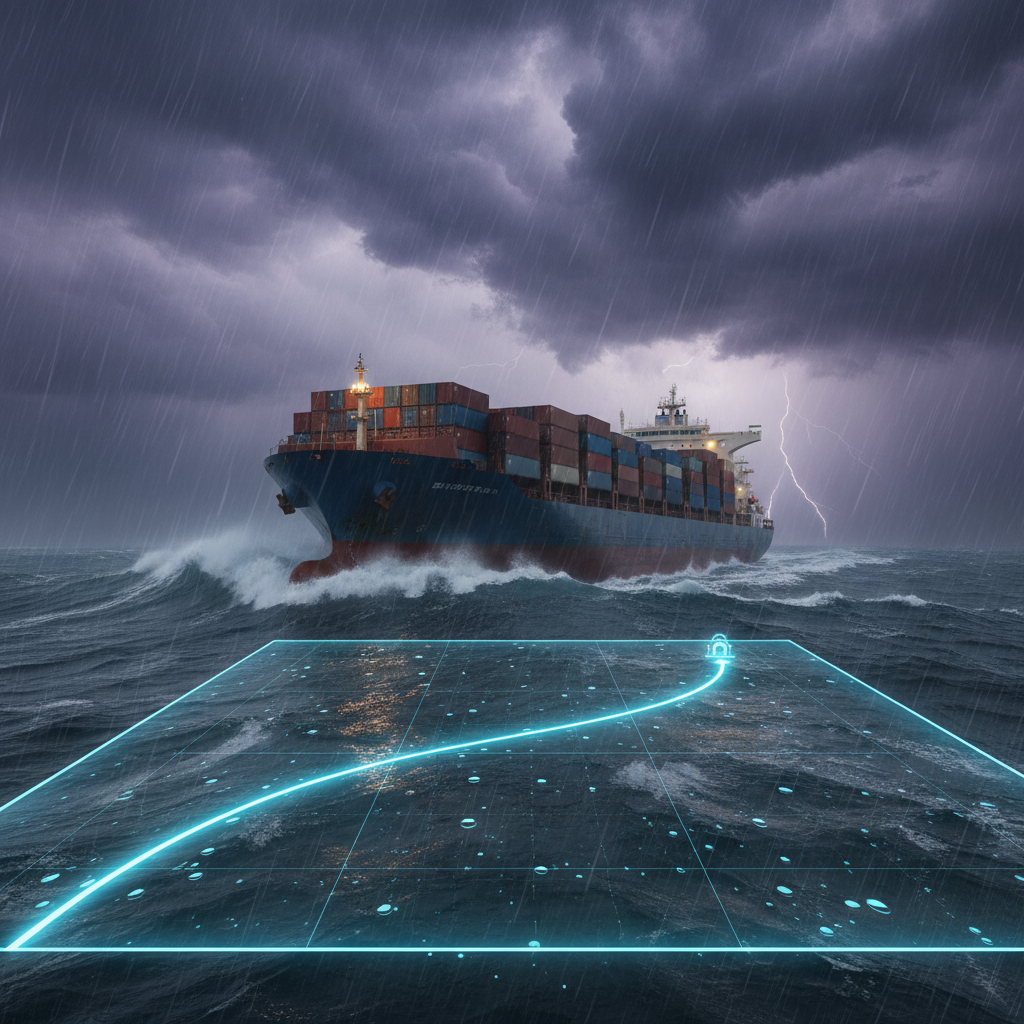
Weather events disproportionately impact specific geographical lanes and regions, turning critical chokepoints into bottlenecks or impassable barriers. Coastal shipping lanes, for instance, are highly susceptible to tropical storms, hurricanes, and typhoons, leading to vessel diversions, port closures, and extensive delays in regions like the Gulf of Mexico, the Caribbean, and the South China Sea. These powerful storms generate high seas and storm surges that threaten both vessels and port infrastructure.
Inland waterways, vital arteries for bulk and containerized cargo, face dual threats: severe droughts can lower water levels to critical depths, forcing barges to reduce loads or halt operations entirely (as seen on the Rhine or Mississippi Rivers), while excessive rainfall causes flooding, rendering rivers unnavigable and damaging riverside facilities. Overland routes are equally vulnerable; mountain passes and major highways can be shut down by heavy snowfall, blizzards, ice storms, or landslides, severing crucial connections for road and rail transport. Even air corridors are not immune, with severe thunderstorms, high winds, and icing conditions causing widespread flight cancellations and diversions, impacting air cargo schedules globally. The cumulative effect is a complex web of rerouting, extended transit times, and increased operational costs for shippers.
Facilities Under Siege: Ports, Hubs, and Warehouses
Static logistics infrastructure, designed for efficiency, often proves fragile in the face of extreme weather. Ports, the gateways of global trade, are particularly vulnerable. High winds can render cranes inoperable, storm surges can flood terminals and warehouses, and heavy rainfall can disrupt yard operations and ground transport access. Closures can last for days, creating backlogs that take weeks to clear, leading to vessel congestion and schedule integrity collapse.
Airports experience similar disruptions, with ground stops, flight cancellations, and cargo handling delays due to snow, ice, or high winds. Warehouses and distribution centers, often located in low-lying or flood-prone areas for accessibility, face risks of flooding, power outages, and damage to stored goods. Access roads can become impassable, preventing inbound and outbound shipments. Rail yards are susceptible to track damage from floods, signal failures, and switch freezing in extreme cold, all of which halt or slow down rail movements. The impact extends beyond physical damage, affecting labor availability as employees struggle to reach facilities, further compounding operational paralysis.
Modes in Motion: Air, Sea, Road, and Rail Under Strain
Each mode of transport exhibits unique vulnerabilities to weather, creating a cascading effect across intermodal networks:
- Ocean Freight: Vessels must often slow down, reroute, or shelter during storms, extending transit times and increasing fuel consumption. Rough seas can lead to cargo damage or loss, while port skips due to closures throw carefully planned schedules into disarray, resulting in significant demurrage and detention charges.
- Air Cargo: Flights are frequently canceled or delayed due to adverse conditions at origin, destination, or en route. Icing and turbulence can lead to weight restrictions, forcing cargo offloading. The high-speed nature of air freight means even short delays can have significant downstream impacts on time-sensitive shipments.
- Road Transport: Heavy rain, snow, ice, and high winds make driving hazardous, leading to road closures, reduced speed limits, and driver safety concerns. Delivery delays become inevitable, and fuel efficiency can decrease, driving up costs. Last-mile delivery, especially, is often the first to be impacted by localized weather.
- Rail Freight: Tracks can buckle in extreme heat, wash out in floods, or be blocked by snowdrifts. Signal systems can fail, and switches can freeze, bringing entire networks to a standstill. The sheer length of some rail routes means a localized weather event can affect operations hundreds of miles away.
The interconnectedness of these modes means that a disruption in one often ripples through the entire supply chain, creating complex and unpredictable delays.
Shipper Strategies: Mitigating the Meteorological Maze
In this era of heightened weather volatility, shippers must move beyond reactive measures to embrace proactive resilience strategies. Key approaches include:
- Route and Mode Diversification: Relying on single lanes or modes for critical shipments increases vulnerability. Exploring alternative routes or combining different transport modes can provide flexibility when primary options are compromised.
- Inventory Buffers: While costly, strategically placed safety stock can absorb short-term disruptions, preventing stockouts. This requires a careful balance between cost and risk tolerance.
- Enhanced Risk Assessment and Scenario Planning: Moving beyond historical data, shippers need to integrate advanced meteorological forecasts into their risk models. Running 'what-if' scenarios for various weather events helps identify vulnerabilities and pre-plan responses.
- Pre-positioning Critical Goods: For highly sensitive or seasonal goods, pre-positioning inventory closer to demand centers or in less weather-prone regions can reduce last-minute exposure.
- Collaborative Partnerships: Working closely with logistics providers, carriers, and even other shippers can facilitate shared intelligence, resources, and alternative solutions during widespread disruptions.
- Focus on Resilience: Shifting from a singular focus on efficiency to building inherent resilience within the supply chain, acknowledging that some disruptions are inevitable and preparing to absorb them.
The MGS Advantage: Clarity in the Storm
In the face of escalating weather disruptions, a shipment-visibility control tower platform like MGS becomes an indispensable tool for shippers. MGS transforms the 'fog of nature' into actionable intelligence, providing unparalleled clarity and control:
- Real-time Visibility: MGS offers end-to-end, real-time tracking of every shipment, regardless of mode or location. This means shippers know precisely where their cargo is, even if it's diverted or delayed by a storm, eliminating guesswork.
- Proactive Alerts and Notifications: The platform integrates with global weather data, providing immediate, automated alerts when severe weather events are predicted or occurring along a shipment's route or at critical facilities. This allows for early intervention rather than reactive damage control.
- Predictive Analytics: By combining live shipment data with weather forecasts, MGS can predict potential delays and their impact on estimated times of arrival (ETAs) with greater accuracy, enabling proactive communication with customers and downstream partners.
- Dynamic Scenario Planning: When a weather event strikes, MGS allows shippers to model alternative routes, assess the impact of different modes, and evaluate the feasibility of rerouting in real-time, optimizing decision-making under pressure.
- Enhanced Communication and Collaboration: With a single source of truth, all stakeholders—from carriers and logistics providers to internal teams and end-customers—can access consistent, up-to-date information, fostering better collaboration and reducing miscommunication during crises.
By leveraging the comprehensive insights and predictive capabilities of MGS, shippers can move from merely reacting to weather events to strategically navigating them, minimizing financial losses, safeguarding customer relationships, and ensuring the continued flow of their global supply chains.
Source: gCaptain — https://gcaptain.com/fog-of-war-deepens-in-hormuz-as-ukmto-says-most-ship-attacks-go-unreported/